Congress could sell off 14 million acres of public land in Colorado


Add Axios as your preferred source to
see more of our stories on Google.
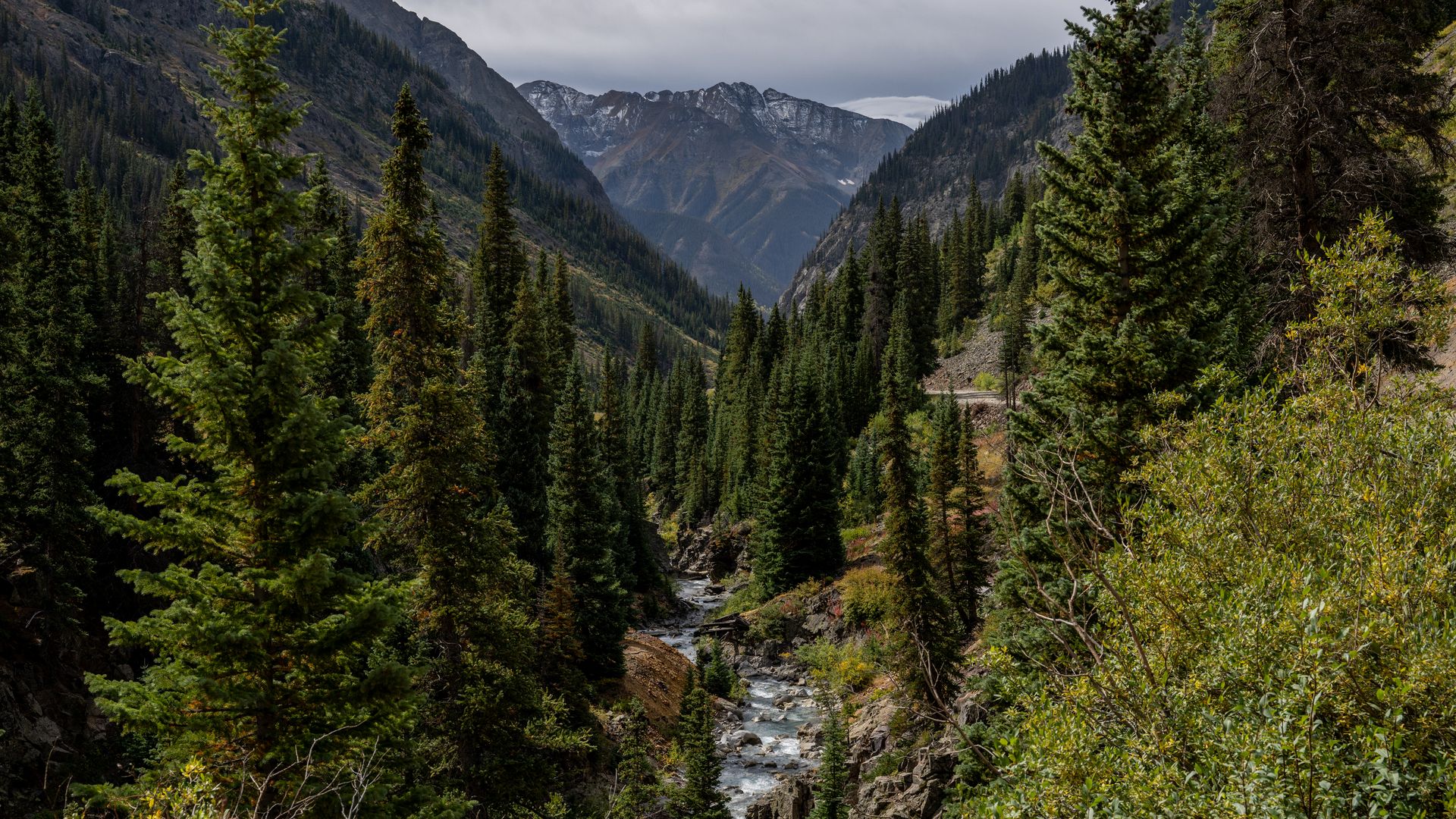
Colorado's Rio Grande National Forest, pictured here, is part of a vast swath of public land eligible for sale under a GOP-led budget bill. Photo: Brandon Bell/Getty Images
More than 14 million acres of federal public land in Colorado could be eligible for sale if Congress passes the Trump administration's budget bill, per a new analysis by a conservation nonprofit.
Why it matters: This includes some of the state's most popular hiking, skiing and camping areas across the Western Slope.
The big picture: The Republican-led proposal would require the U.S. Forest Service and Bureau of Land Management to put up to 3.3 million acres on the market for housing development.
- The bill's focus is on parcels outside of protected lands (like national parks, monuments or wilderness areas, which are exempt) but near roads and other development deemed suitable by local and state lawmakers.
- The Wilderness Society estimates more than 250 million acres across 11 Western states could be eligible for sale.
Zoom in: In Colorado, that means some of its most prized public lands could be up for grabs, including sweeping sections of the Arapaho, San Juan and Rio Grande national forests.
- Also on the line are iconic stretches of the Million Dollar Highway and beloved hiking spots near Kenosha and Guanella passes, especially popular during fall leaf-peeping season.
Follow the money: Most of the revenue — projected between $5 billion and $10 billion over the next decade — would go to the U.S. Treasury. Just 5% would trickle down to local governments.
- It's unclear how much the sale of public lands would negatively impact the outdoor recreation economy, which generated $1.2 trillion in economic output and supported 5 million jobs nationwide in 2023.
Reality check: A recent Headwaters Economics report found less than 2% of public lands in the West near housing-hungry towns are actually suitable for development, and could be complicated due to high wildfire risk.
The fine print: For the first decade, the land could only be sold for housing or related infrastructure — but after 10 years, that restriction vanishes, opening the door to virtually any kind of development, from strip malls to oil rigs.
What they're saying: Colorado Democratic U.S. Sen. John Hickenlooper, who sits on the Senate Energy and Natural Resources committee, told CPR no Democrats on the committee were given advance notice or could offer input, despite their states being on the list.
- "I was shocked," Hickenlooper said. "That's not the way government's supposed to work."
What's next: The Senate has until July 4 to vote on the budget reconciliation bill, which includes the land-sale provision.