Denver is slowly but steadily sinking, new study reveals


Add Axios as your preferred source to
see more of our stories on Google.
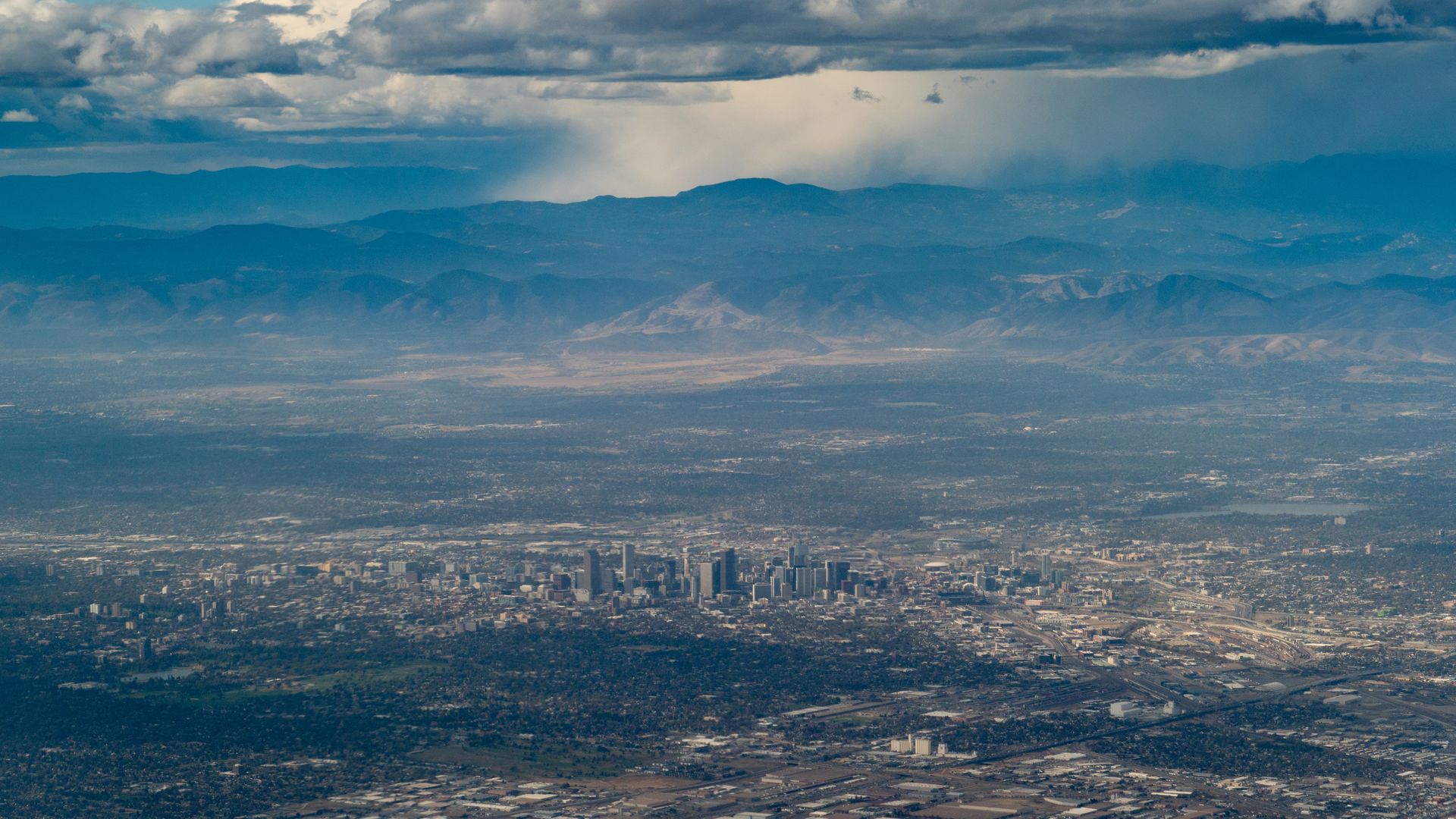
Denver and the Front Range in 2019. Photo: Marli Miller/UCG/Universal Images Group via Getty Images
Despite being far from the coast, new research shows Denver is quietly sinking and ranks among the U.S. cities most affected by the slow-motion slide.
Why it matters: Not only is the city losing elevation (meaning its Mile High City moniker may not last forever), but over time, land subsidence can crack foundations, warp roads and weaken flood defenses — especially as climate change intensifies extreme weather.
Driving the news: In a peer-reviewed study published this month in Nature, researchers analyzed satellite radar data between 2015 and 2021 and found about 98% of Denver's land is sinking, with an average drop of over 2 millimeters (0.08 inches) per year.
- Some areas, especially in northeast and southeast Denver, are falling even faster.
Threat level: A few millimeters a year means more than you might suspect.
- "The latent nature of this risk means that infrastructure can be silently compromised over time, with damage only becoming evident when it is severe or potentially catastrophic," researchers wrote. "This risk is often exacerbated in rapidly expanding urban centers."
Yes, but: The good news is that Denver's buildings are, for now, at low risk of serious structural damage, according to the study. Only a very small fraction falls into high or very high-risk zones.
The intrigue: Denver's drop is predominantly driven by natural forces, the study found. The region is still slowly responding to melting glaciers from the last Ice Age in a process called glacial isostatic adjustment.
The big picture: The study found that 25 of the 28 most populous U.S. cities sit on sinking land, affecting more than 33 million people, or over 10% of the U.S. population.
- Unlike Denver, the primary cause of sinking across most of these locations — about 80% — is the pumping of groundwater for drinking and agriculture, researchers found.
- Denver was found to be one of the cities with the most widespread land subsidence, alongside Chicago, Dallas, Columbus, Detroit, Fort Worth, New York, Indianapolis, Houston and Charlotte.
What they're saying: "Having detailed maps of ground movement as well as the information of what causes it can aid in designing policies," Pejman Tahmasebi, a subsidence researcher at the Colorado School of Mines, told the Washington Post.
- The findings could help shape smarter groundwater plans and more resilient infrastructure, Tahmasebi said.
What's next: Researchers urge cities to factor subsidence into adaptation strategies, including zoning changes and green infrastructure, as well as raising roads or installing tide gates.
The bottom line: "We need to start treating subsidence like the slow-moving disaster it is," researcher Manoochehr Shirzaei told New Scientist.