Mass deportations could "kill" Colorado's meatpacking industry


Add Axios as your preferred source to
see more of our stories on Google.
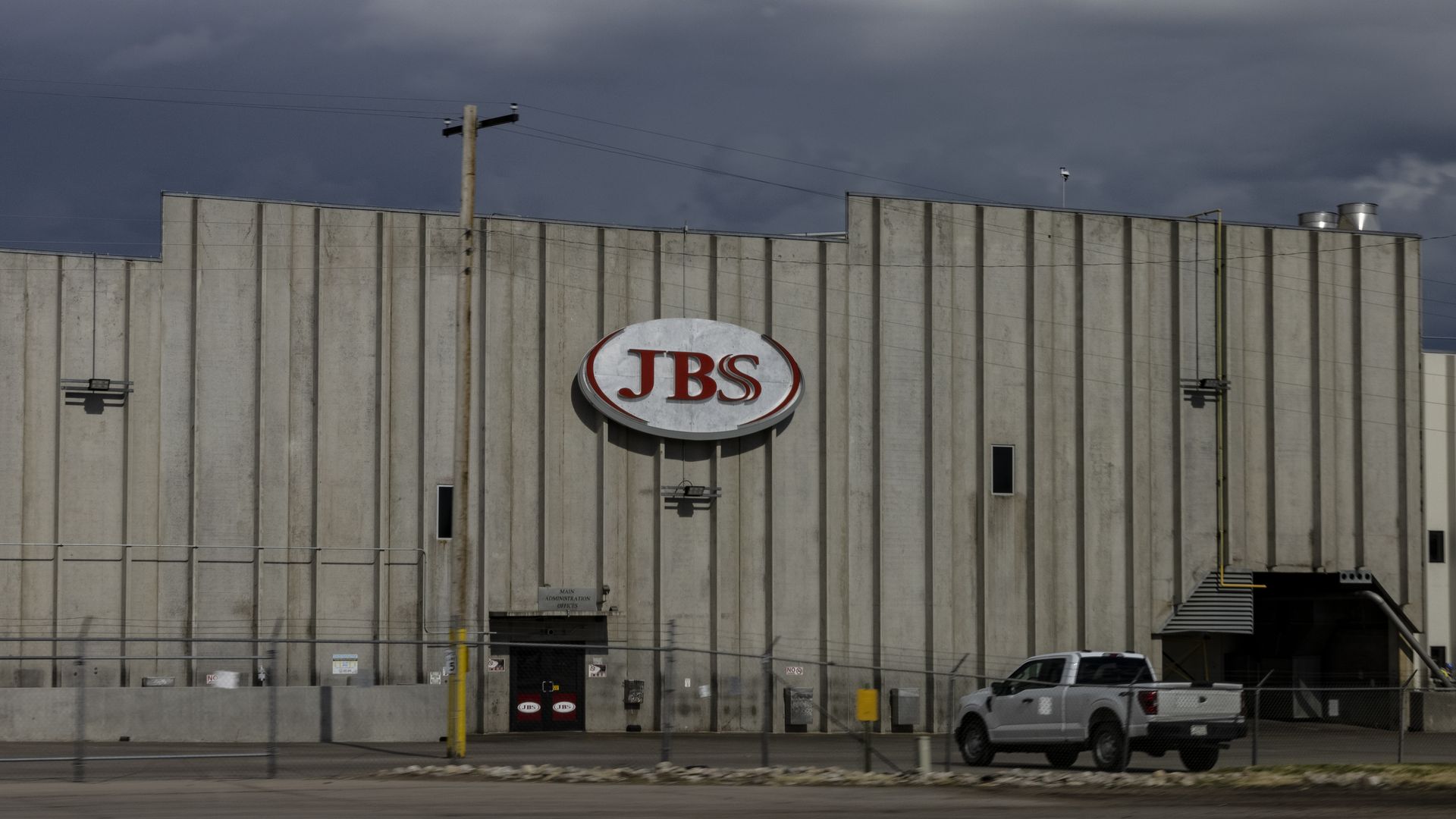
The JBS meatpacking plant in Greeley. Photo: Chet Strange/Getty Images
The meatpacking industry in Colorado and nationwide is bracing for the fallout of mass deportations proposed under President-elect Trump, trade experts tell Axios.
Why it matters: Meatpacking — more than almost any other industry in this country — relies on foreign-born labor, documented or not. It would face critical challenges if those workers disappeared.
State of play: Many in the meatpacking and livestock industry were happy to see Trump reelected, giving his campaign nearly double what they donated to back Vice President Kamala Harris. But they're also fearful it won't be able to operate without the workers he's threatened to deport.
Zoom in: At the JBS meatpacking plant in Greeley, most workers have temporary or vulnerable immigration statuses, including DACA or refugee protections — leaving them susceptible to policy changes, says Kim Cordova, president of UFCW Local 7, representing workers at the plant.
What they're saying: "If you took immigrants out of this workforce, there is no way that they can run those packing houses," Cordova tells us. Mass deportations "would kill the industry."
- "It's going to hit companies hard, it's going to hit consumers hard, because let's find out, who's going to take on that work?" says Alice Driver, whose book "Life and Death of the American Worker" examines the lives of undocumented meatpacking workers.
- JBS did not respond to multiple interview requests from Axios Denver.
The big picture: Meatpacking is dangerous and difficult to staff even in the best circumstances.
- "If you ask anybody on the packing side of things, going back before COVID … no one's going to tell you there's a bigger challenge in the meat supply chain than labor," Ethan Lane, vice president of government affairs for the National Cattlemen's Beef Association, tells Axios.
Between the lines: The JBS facility is the largest employer in Weld County, employing roughly 5,000 people, or about 4% of Greeley's population.
- "The problem within the industry is that most packing facilities … build these types of plants in very conservative, rural communities," Cordova tells us. "I don't know that we're going to have a lot of friends in Weld County," where nearly 60% of voters backed Trump in November.
What's next: Cordova says she's working on scheduling a meeting with Colorado Gov. Jared Polis and other elected leaders to advocate for "some extra layer of protection for these workers."
What we're watching: Driver and others say the specter of deportations could be enough to tip the industry into crisis, as workers flee or stop showing up to work, even if plants aren't being raided.
- If packing plants are short on labor, that raises another concern: the availability and price of meat.
The bottom line: Everyone sees the problem coming, but no one knows what will actually happen.
Go deeper: How Trump's immigration policies could impact Colorado industries