Colorado universities work to return Native American remains

Add Axios as your preferred source to
see more of our stories on Google.
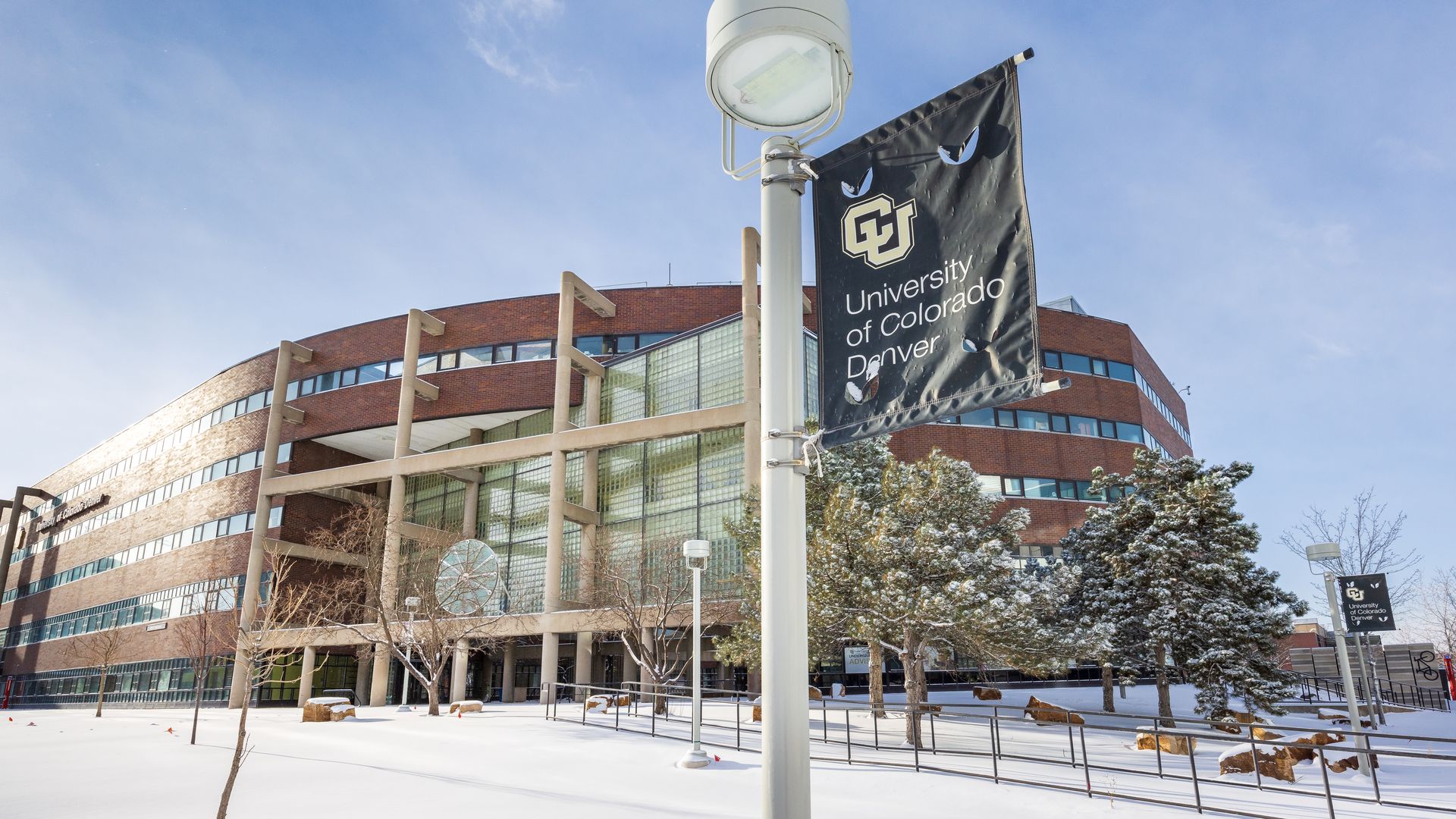
The North Classroom building at the University of Colorado Denver. Photo: Paul Wedlake, CU Denver photographer.
Universities in Colorado are renewing efforts to return American Indian remains to their Native tribes.
Driving the news: Staff at Western Colorado University in Gunnison are trying to give back the remains of 25 people housed in its campus archaeology museum after receiving a grant from the federal government this year to do so.
Meanwhile, faculty from Metropolitan State University of Denver are working to identify and repatriate 13 American Indian remains, according to The Metropolitan.
Of note: Both schools are following the Native American Graves Protection and Repatriation Act enacted in 1990.
- The law requires institutions that get federal funding to return remains and objects.
Why it matters: The universities are complying with the federal law as other institutions struggle to do the same.
What they're saying: "They are the ancestors of living people," David M. Hyde, senior lecturer of anthropology at Western Colorado University, tells us. "They don't belong in a museum — they never did."
- Hyde is leading the university's efforts to contact tribal members.
Zoom in: Western Colorado has skulls and roughly 100 items like pottery. They have been in the university's possession since the 1940s, Hyde tells us.
- Based on the style of pottery and the residence of the man who excavated the objects, he says the remains are from southwest Colorado. He says he's hoping to have all items returned successfully over the next two years.
Catch up quick: Artifacts and gravesites were looted for years by archaeologists and museum collectors, a practice that was often encouraged by the federal government throughout the 1800s, according to ProPublica.
By the numbers: At least 28 institutions in Colorado reported taking remains, according to a database compiled by ProPublica.
The intrigue: The University of Colorado Denver, which has 40 individual bones representing at least five people, contacted Colorado tribes and offered to return the remains after the law was first enacted. However, university spokesperson Jennifer Woodruff tells us no one wanted them back.
- The remains have been kept together, undistributed and out of sight by the university since 1995. Woodruff said they were received without accompanying information.
What's next: The Department of the Interior last week announced new regulations for the federal repatriation law intended to streamline requirements for museums and federal agencies to catalog and identify human remains and cultural items.
- Interior Secretary Deb Haaland said in a statement the changes will "strengthen" the role of Indigenous communities in the process.