Colorado's historic Hispanic settlement brings the late 1800s to life

Add Axios as your preferred source to
see more of our stories on Google.
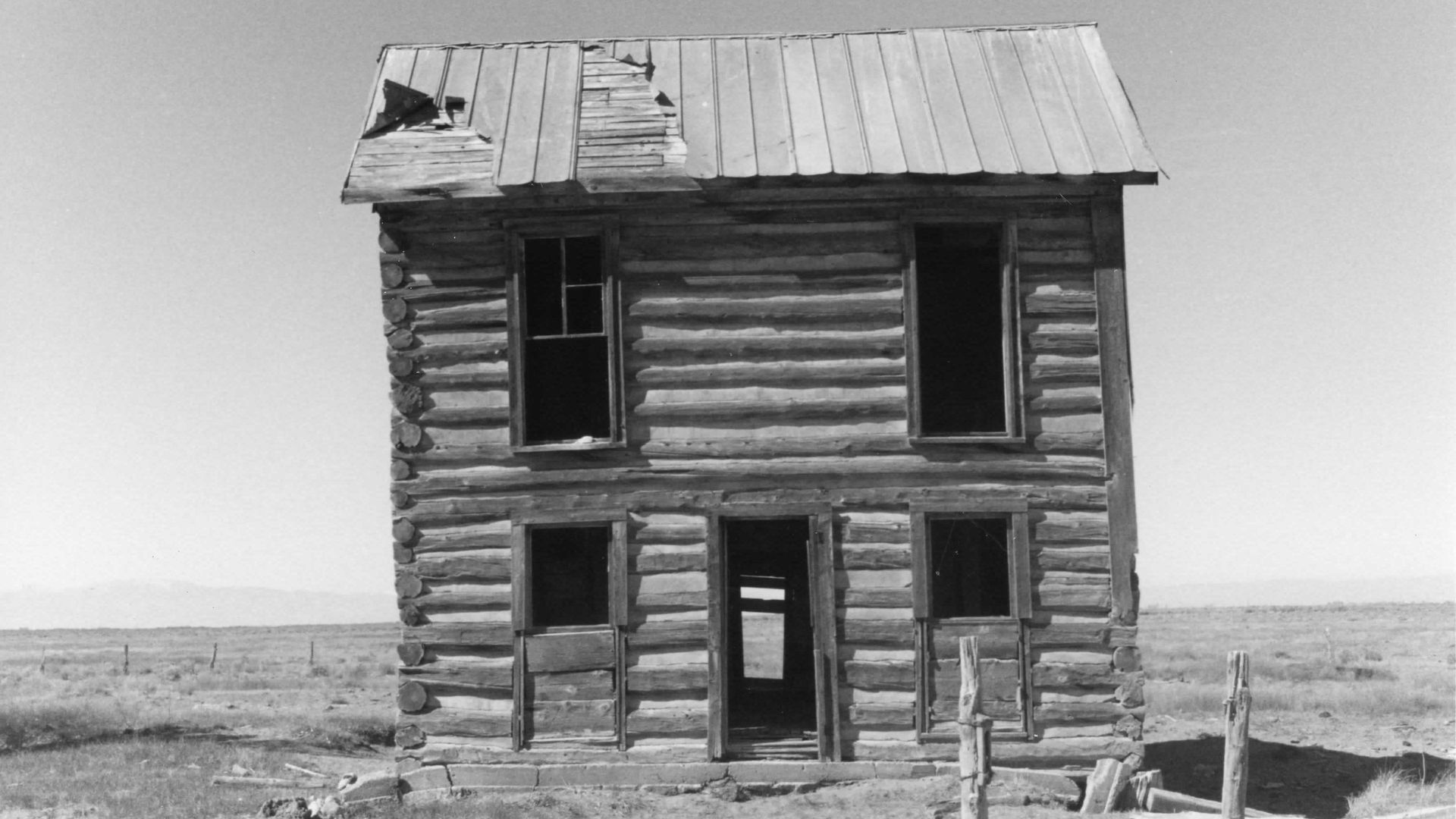
Pedro Trujillo's home at the Trujillo Homesteads near Mosca, Colo. Photo: Courtesy of National Park Service
By all accounts, Pedro Trujillo was an able horseman who enjoyed raising cattle — much to the dismay of his father, Teofilo, who had hoped his son would become a sheep herder.
Details: In October 1879, Pedro, just 13, decided to build his own home less than a mile away from where his father settled in what's now Alamosa County in southern Colorado.
Why it matters: Pedro's house, about seven miles west of the Great Sand Dunes National Park, is the centerpiece of the Trujillo Homesteads, one of more than 200 sites listed by the National Park Service showcasing American Latino heritage.
- The property became a National Historic Landmark in 2012.
The intrigue: Pedro was a first-generation Hispanic-American who was born in Taos, New Mexico, and the home he built reflected the tension between his father's Hispanic heritage and the Anglo-American influences becoming more common during the era.
- Pedro's home wasn't built with adobe like his father's, but instead featured a two-story log house that more closely resembled what white residents were building, according to an application filed with the National Park Service in 2003.
Between the lines: The Trujillo family would leave their home in 1902 after selling the homestead following two incidents.
- Earlier that year, Rival cattlemen killed dozens of Teofilo's sheep, and his home was burned down a month later, along with some $8,000 in cash, the equivalent of roughly $285,000 today.
- The attack appeared to have been racially motivated, according to historical publications cited in the historic places application.
What they're saying: "What I remember is the bitterness of the [older] uncles … the bitterness that they had lost so much, that I don't think they ever got over that," Trujillo family descendant Deborah Quintana said in a video for the National Park Service in 2014.
The latest: Today, the property is located inside the Nature Conservancy's Zapata Ranch in Hooper. It includes 35.2 acres of Trujillo's original ranches.
- It also features includes Pedro's home, where he and his wife, Sofia, would go on to raise nine of their 16 children.