Denver's gun-related injuries spiked in 2020, reflecting U.S. trend

Add Axios as your preferred source to
see more of our stories on Google.
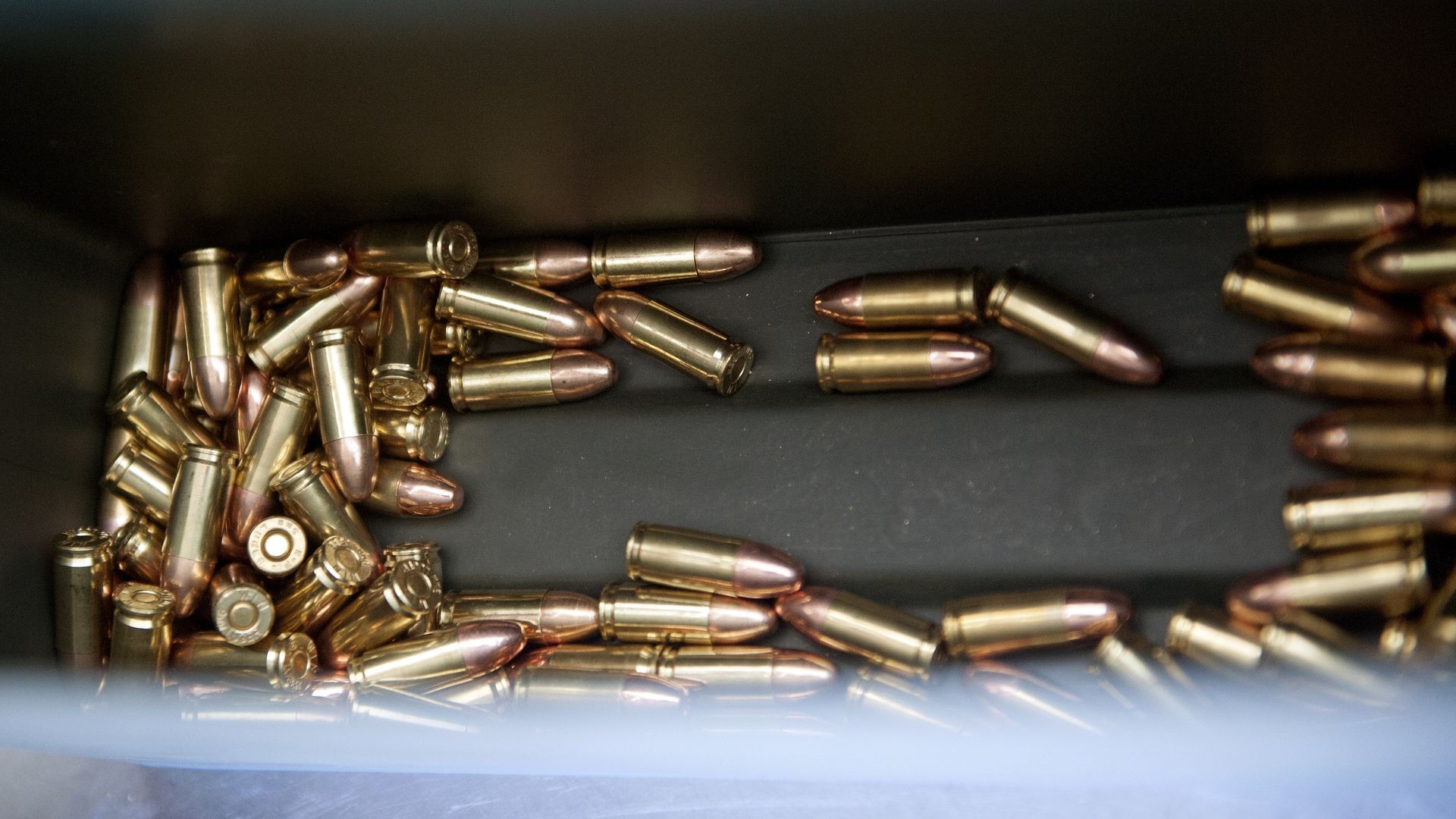
Firearm bullets. Photo: Jason Connolly/AFP via Getty Images
Trauma cases from gunshot injuries rose sharply last year in Denver, mirroring a national trend, hospital officials tell Axios.
Why it matters: The findings reinforce data showing a surge in gun violence throughout the city.
Three big factors are likely fueling the troublesome trend, health and public safety experts say:
- The pandemic has had a negative impact on many people’s social lives and economic stability.
- The initial surge coincided with last summer's protests against racism and police brutality. Many in law enforcement point to changes in policing following the demonstrations, including a pullback in patrolling amid declining public trust. This created an environment where shooters may feel more emboldened, writes Axios Future’s Bryan Walsh.
- Gun sales in Colorado have soared throughout the pandemic. Nationwide, firearms background checks spiked in spring 2020 and haven't come down.
State of play: Denver Health averaged a 53% spike in gunshot wound cases relative to the past five years and a 38% increase compared with 2019 levels, Ryan Lawless, the hospital’s trauma medical director, tells Axios.
- Stabbings have also swelled since the start of the pandemic, he adds.
- Black and Latino residents from low-income households have been particularly impacted by the violence.
- Shooting and stabbing cases remain well above normal levels this year.
What they’re saying: "It takes a toll on the providers to see these cases come in," Lawless says. "But what can we do? Because it’s not going away — at least from what I can see."


Zoom out: Across the U.S., health care visits for gunshot wounds spiked late last spring and peaked last October, according to a new study from the Epic Health Research Network.
- Firearm injury rates surged again this spring, with June 2021 levels 64% higher than in 2019.
The big picture: "If a pandemic happens again, we have to avoid what happened this time," Lawless says. "We have to figure out this gun safety."