Ohio blogger on trial over explicit Shrek image

Add Axios as your preferred source to
see more of our stories on Google.
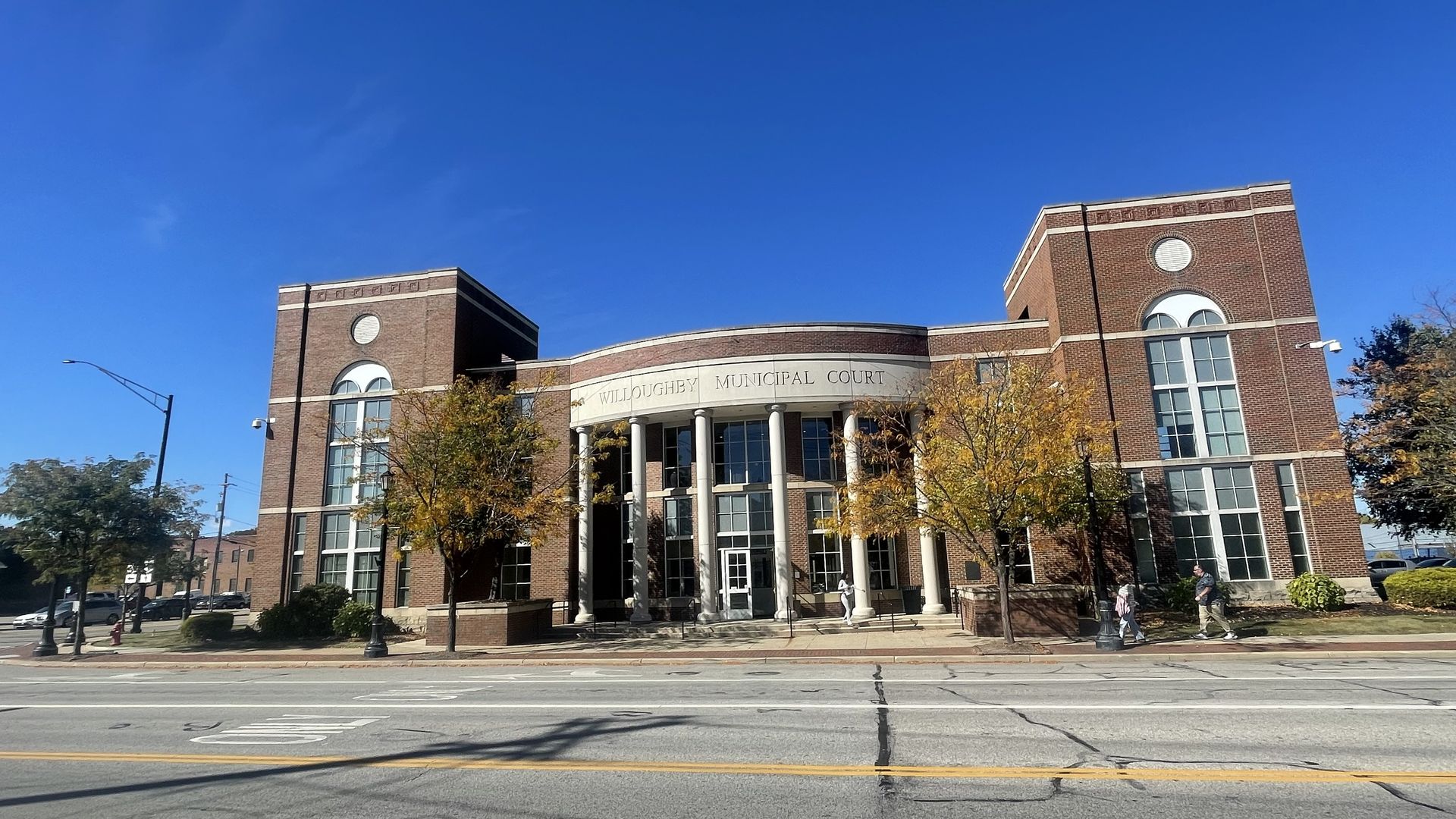
The Willoughby Municipal Court. Photo: Sam Allard/Axios
Ohio political blogger D.J. Byrnes is on trial for texting a state senator an explicit image of the cartoon character Shrek.
Why it matters: The case has attracted national attention from free speech advocates who argue that even vulgar criticism of elected officials is protected by the First Amendment.
Catch up quick: Byrnes is the Columbus-based provocateur and publisher of "The Rooster," a Substack newsletter known for its trenchant and often irreverent coverage of Ohio politics.
- He has pleaded not guilty to a misdemeanor charge of telecommunications harassment and rejected multiple plea deals.
Flashback: The case stems from a May 6 text exchange between Byrnes and state Sen. Jerry Cirino (R-Kirtland) — "Young Mussolini," in Rooster patois.
- Prosecutors say Byrnes sent a nude image of Shrek and taunted Cirino over his failed bid for the Ohio Senate presidency.
- Cirino contacted Kirtland's police chief two days later requesting charges. Byrnes was arrested June 1 at the Ohio Statehouse and spent 23 hours in a Columbus jail.
⚖️ Inside the room: After two-and-a-half hours of jury selection Thursday at Willoughby Municipal Court, the prosecution — represented by Kirtland law director Matthew Lallo — called two witnesses: Cirino and Kirtland detective Jake Scott, who filed the police report.
- Cirino called the Shrek image "offensive" and "pornographic," and characterized it as "the last straw" after an accumulation of criticism and vitriol he'd received while in office.
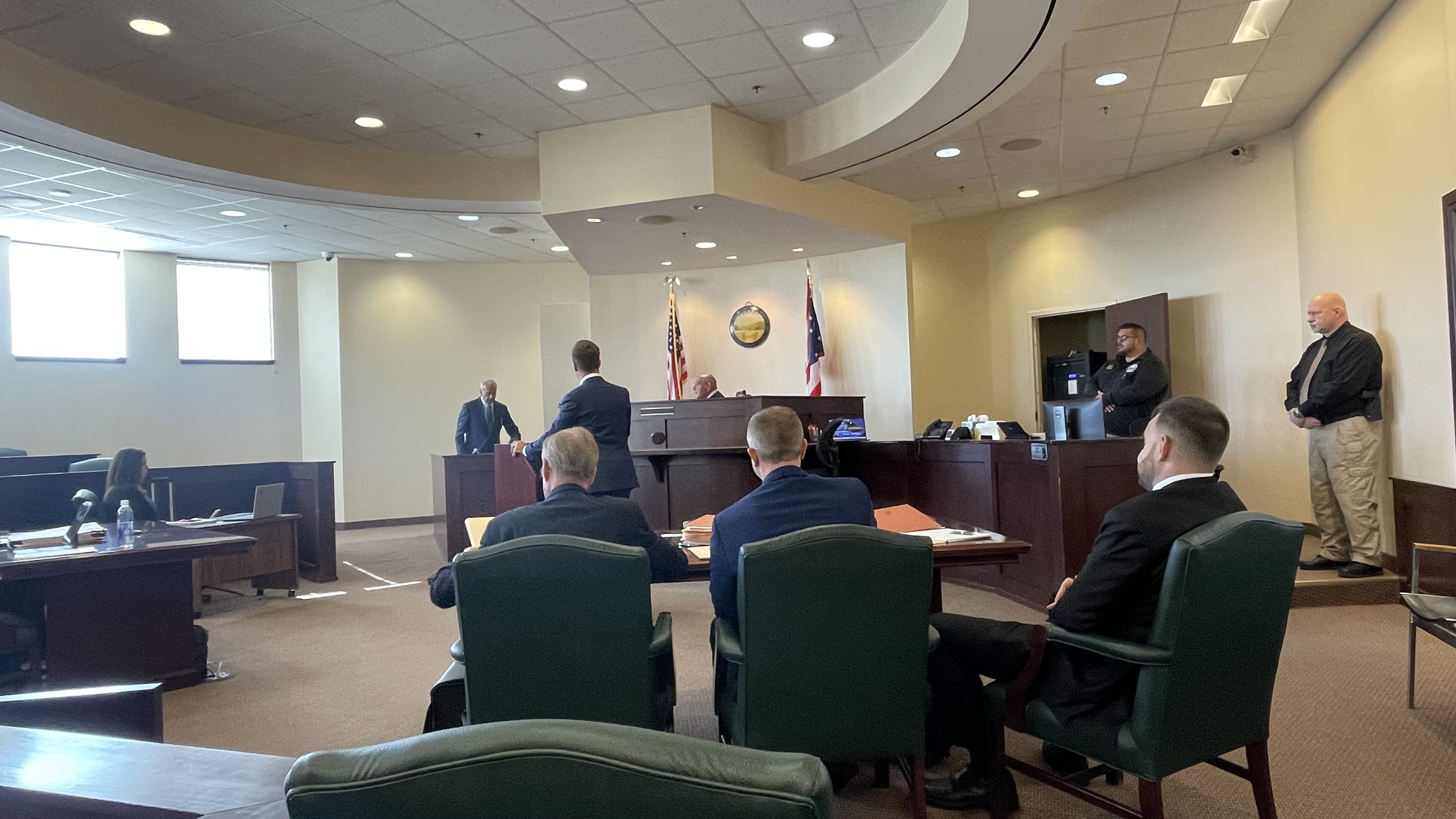
The other side: Byrnes' attorneys sought to illustrate the image's political context.
- Like the graphic Shrek image, attorney Bill Livingston argued, Cirino had "exposed himself" when he withdrew from the senate presidency after expressing earlier confidence in his chances — a saga the Rooster had reported in detail.
- Byrnes' attorneys said that while the Rooster uses humor, satire and even mockery in its personality-driven brand of journalism, his texts were nevertheless political speech directed at a politician, not criminal harassment.
Zoom out: The case has attracted widespread attention from free speech advocates, including the Foundation for Individual Rights and Expression (FIRE), which says that vulgar or offensive criticism of elected officials is generally protected by the First Amendment.
What's next: The trial continues at 9:30am Friday.