Why halls of fame don't kick out controversial icons

Add Axios as your preferred source to
see more of our stories on Google.
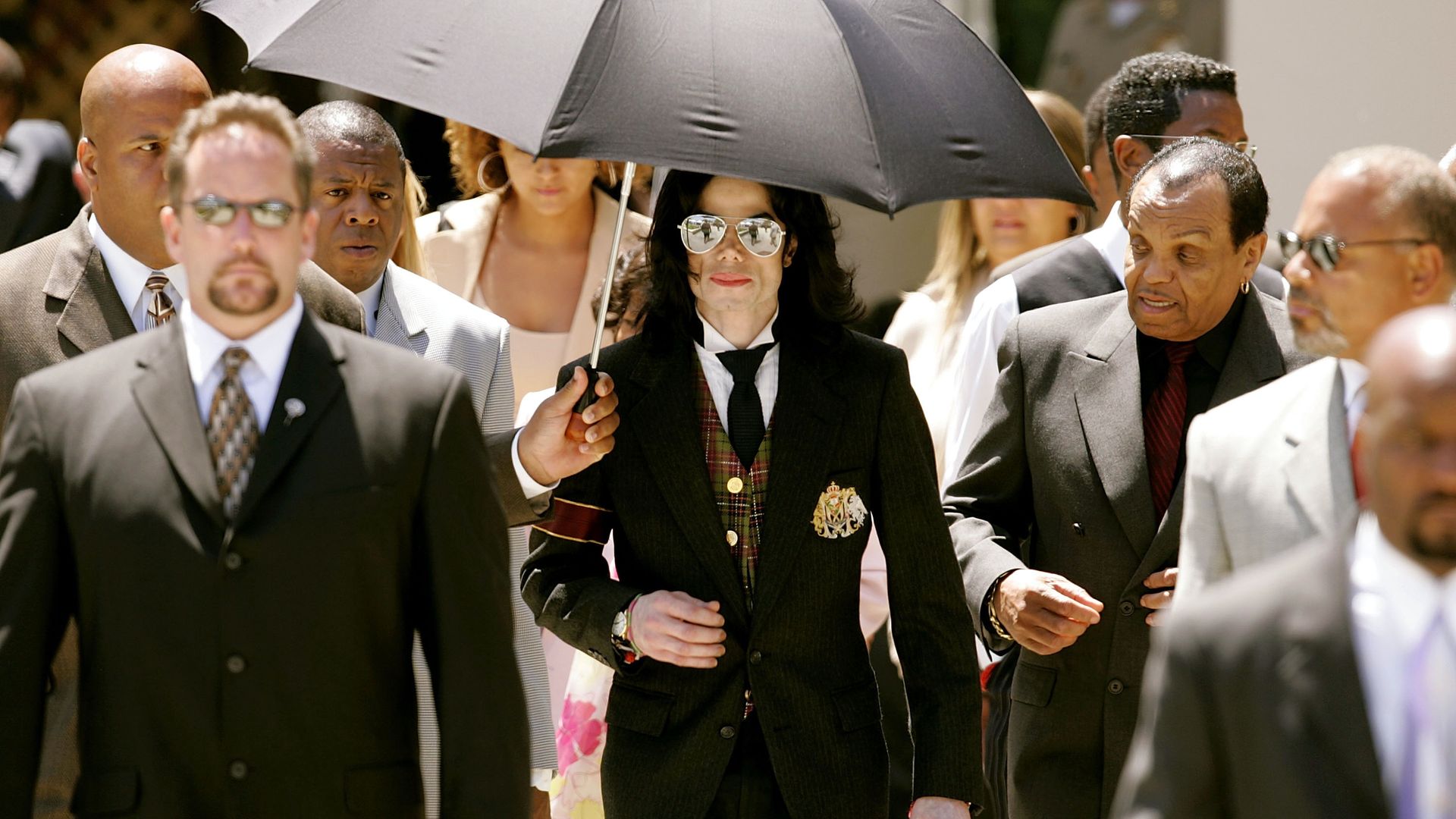
Should institutions like the Rock & Roll Hall of Fame consider the questionable pasts of inductees like Michael Jackson? Photo: Carlo Allegri/Getty Images
Michael Jackson's legacy has been front and center in 2026 — first with a blockbuster film, then new allegations of child sex abuse and a documentary about his 2005 criminal trial.
Why it matters: Netflix's "Michael Jackson: The Verdict" examines his complex legacy, including negative elements often glossed over by films like "Michael," the new biopic in theaters now, and institutions that honor iconic figures.
The big question: Should institutions that celebrate people for their outstanding accomplishments in a specific field consider their lives outside of that craft?
Flashback: It's a question the Rock & Roll Hall of Fame faced in 2019 after the release of "Leaving Neverland," a documentary focused on child sexual abuse allegations against Jackson, a two-time inductee.
- Following public cries for accountability, the Rock Hall said it would not revoke Jackson's induction nor remove memorabilia from the museum.
Caveat: Jackson, who died in 2009, was never convicted of a crime. Nor is he the only Rock Hall inductee to ever be accused of a heinous act.
- The museum has never revoked an induction in its 40-year history.
The Pro Football Hall of Fame faced a similar question following O.J. Simpson's death in 2024.
What they said: "O.J. Simpson was the first player to reach a rushing mark many thought could not be attained in a 14-game season when he topped 2,000 yards," Pro Football Hall of Fame president Jim Porter said in a statement at the time.
- "His on-field contributions will be preserved in the Hall's archives in Canton, Ohio."
The Pro Football Hall of Fame and Rock Hall did not respond to Axios' requests for comment on this story.
The big picture: You'd be hard-pressed to find a major hall of fame that has a process or precedent in place to remove an inductee.
- For instance, former Cleveland Indians star Roberto Alomar was placed on Major League Baseball's permanently ineligible list in 2021 following allegations of sexual misconduct.
- Yes, but: Alomar's plaque remains on display in the National Baseball Hall of Fame and Museum, which operates independently from MLB.
The bottom line: Halls of fame are built to preserve achievement, not adjudicate morality.
- However, as public expectations shift, institutions face growing pressure to explain why celebration and accountability so often remain separate.