Cleveland's comeback era: How the '90s reshaped the city


Add Axios as your preferred source to
see more of our stories on Google.
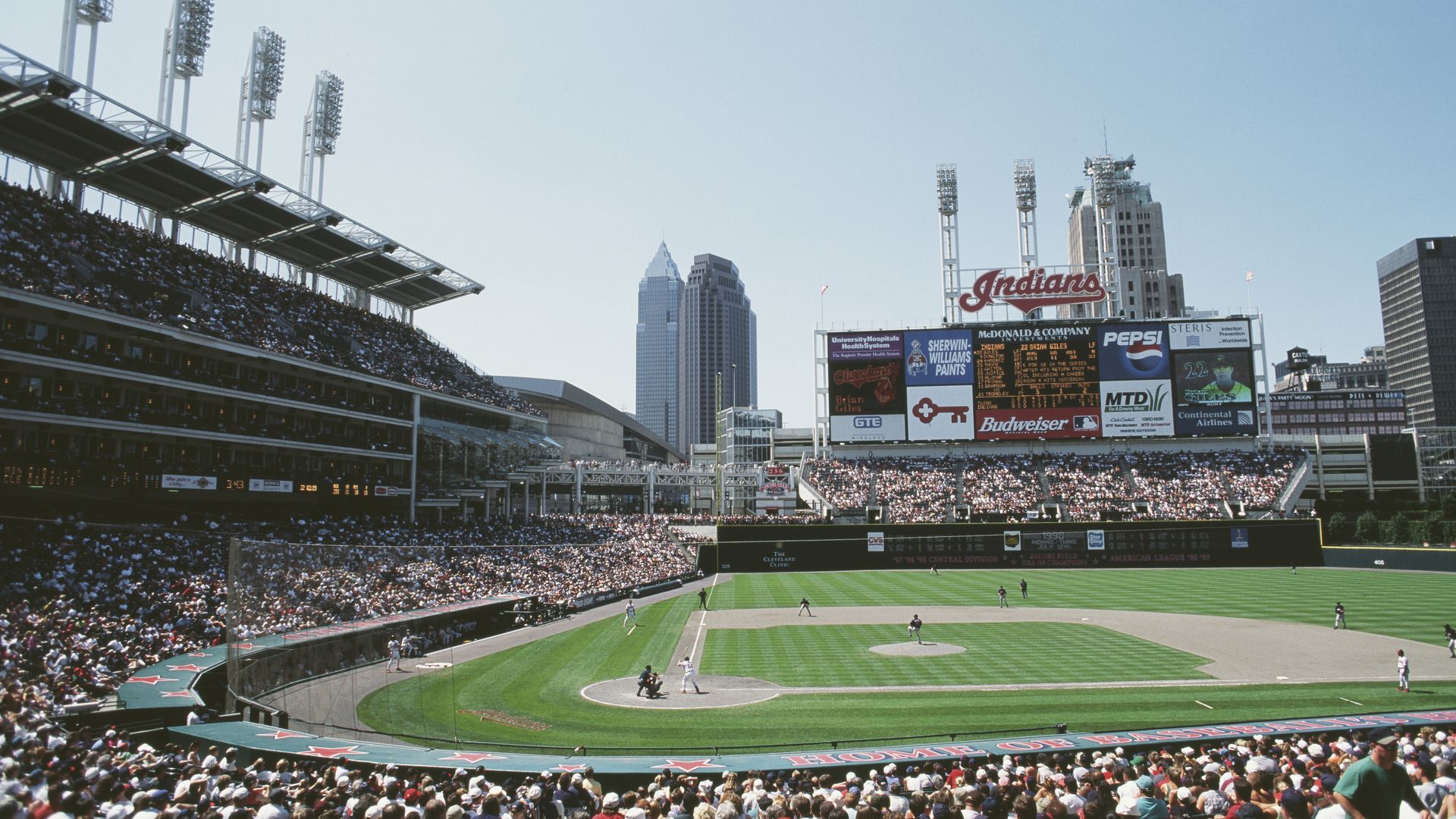
Cleveland's Jacobs Field and skyline, circa 1998. Photo: Harry How/Getty Images
What were you like in the 1990s?
Why it matters: A new viral trend has everyone — from your friends and family to your favorite celebrities — answering the question on social media.
- After decades of industrial decline, Cleveland rebranded itself as "America's Comeback City."
The intrigue: Similar to our 2016 retrospective, we're looking back on what the city was like during the decade.
- We recommend you read along while the Goo Goo Dolls' 1998 hit "Iris" spins around in your head.
Flashback: The 1990s were Mayor Michael White's decade. First elected in 1989, White oversaw a period of enormous growth that reshaped the geography and vitality of downtown.
- The decade got off to a roaring start with the opening of Tower City at Terminal Tower in 1990 and Key Tower — the tallest skyscraper between New York and Chicago at the time — in 1991.
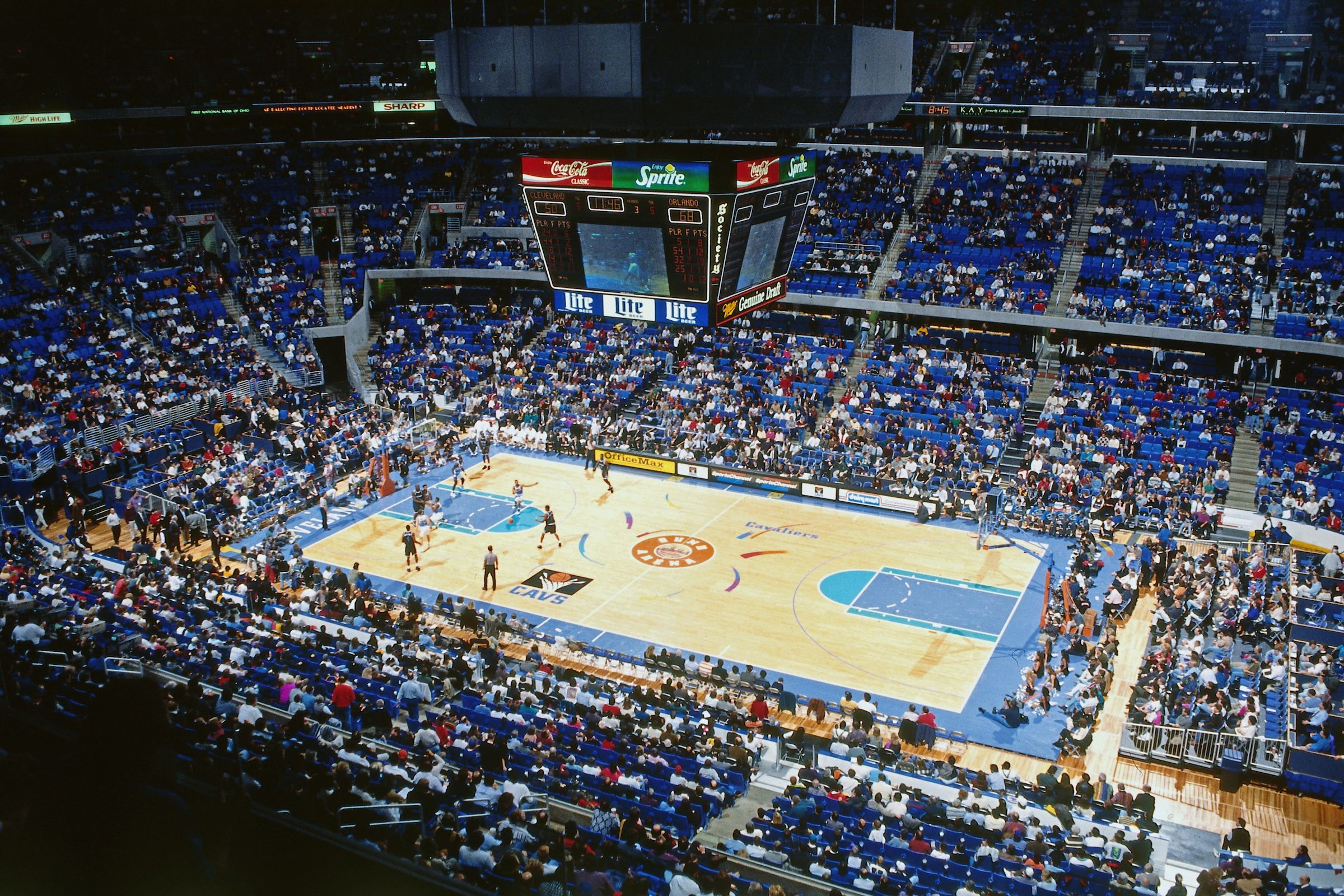
- Next came the Gateway Complex, constructed with proceeds from a new "Sin Tax" on cigarettes and alcohol. Both Jacobs Field and the Gund Arena opened in 1994.
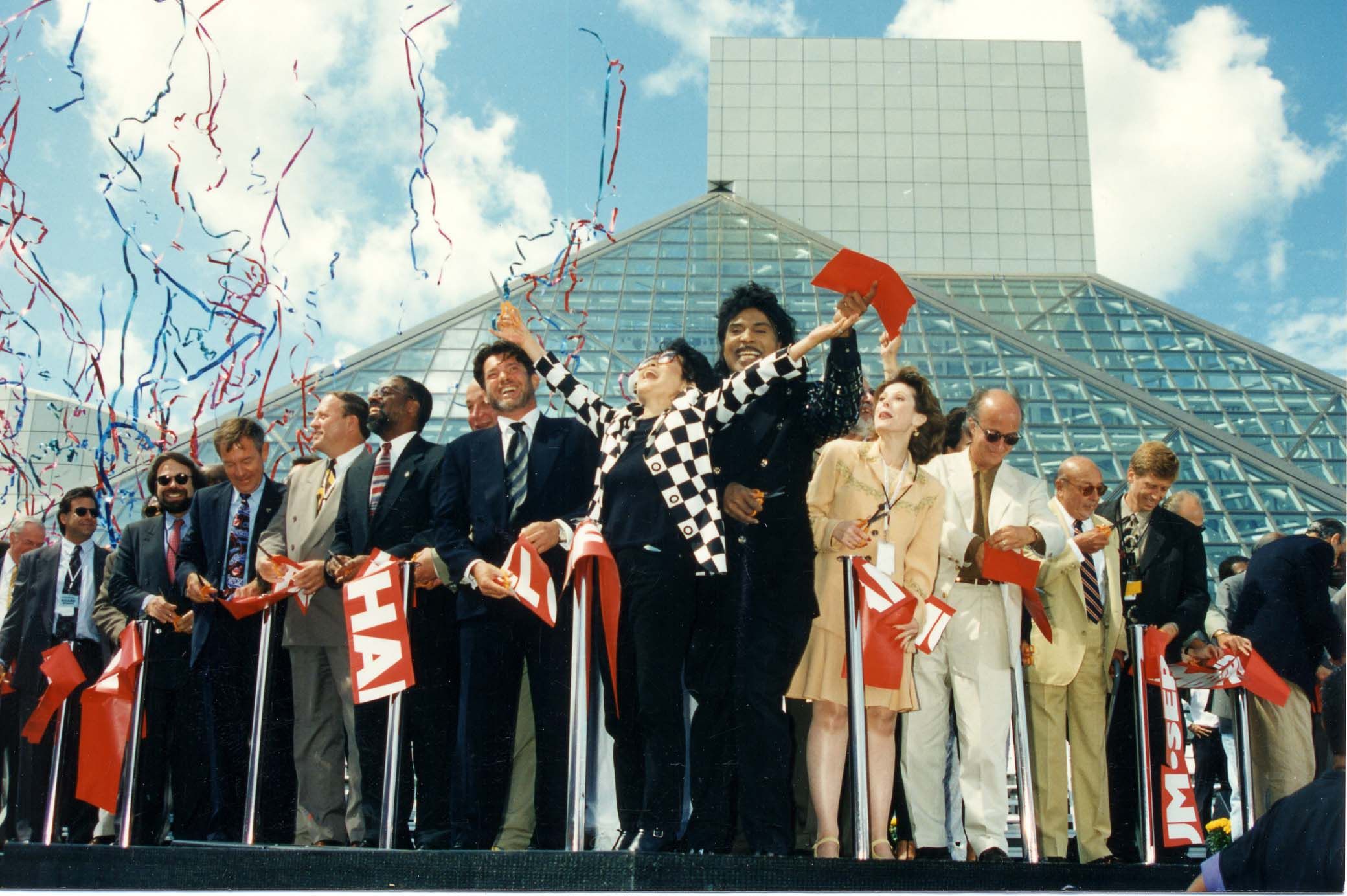
The lakefront followed. The Rock & Roll Hall of Fame (1995) and the Great Lakes Science Center (1996) turned an industrial shoreline into a national tourist attraction.
- Elsewhere, neighborhoods like Ohio City, Tremont, Warehouse District and the Flats began to thrive, laying the groundwork for the nightlife landscape you see today.
State of culture: The Rock Hall cemented Cleveland as a music hotbed, but smaller clubs also thrived.
- Venues like Peabody's Down Under, the Odeon, Euclid Tavern and the Phantasy hosted legendary acts before their big breaks (Nirvana, Pearl Jam, Eminem and Green Day).
- Homegrown music talent, including Nine Inch Nails and Bone Thugs-N-Harmony, topped the charts, while Cleveland-born actors like Halle Berry and Drew Carey conquered Hollywood.
State of economy: Manufacturing industries like steel and auto parts continued to decline, but health care and higher education made up for it.
- Institutions like University Hospitals, the Cleveland Clinic and Case Western Reserve University helped stabilize a modern economy.
The other side: East side neighborhoods such as Hough, Glenville and East Cleveland struggled, while west side neighborhoods prospered.
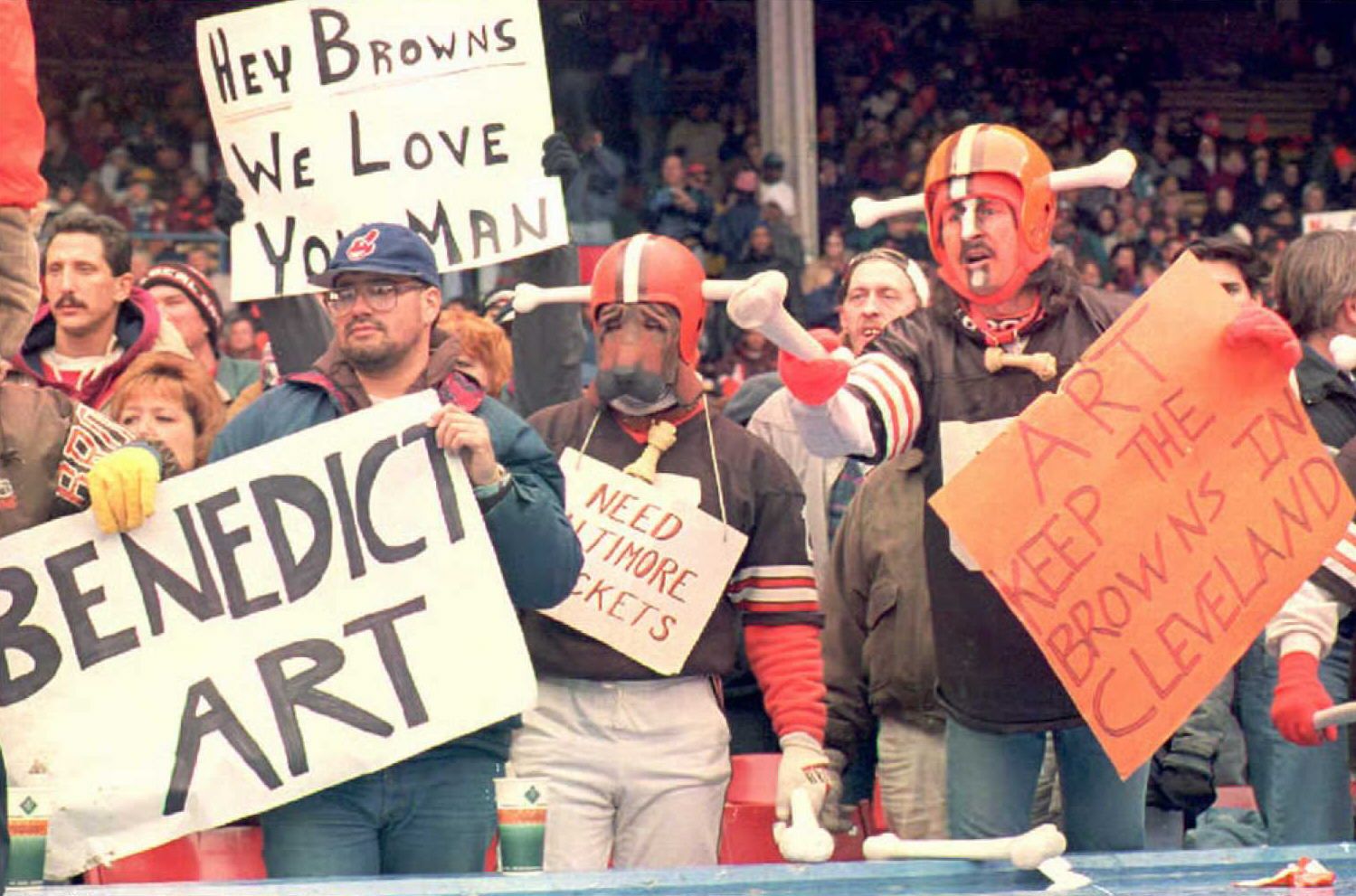
- There was also the decade's most infamous moment — Browns owner Art Modell announcing in 1995 that he was moving the team to Baltimore.
What they said: While civic boosterism was on the rise, some have questioned whether the momentum was durable.
- "The Comeback City felt hollow when you considered the desolation of Euclid Avenue, a sinking school system and the departure of the Cleveland Browns," wrote Cleveland Magazine's Michael Roberts in 2004.
Yes, but: The decade did end on a high note when the Browns were reborn in 1999 as an expansion team with a brand-new stadium on the lakefront.