Rev. Jesse Jackson was a familiar face in Cleveland's civil rights fight

Add Axios as your preferred source to
see more of our stories on Google.
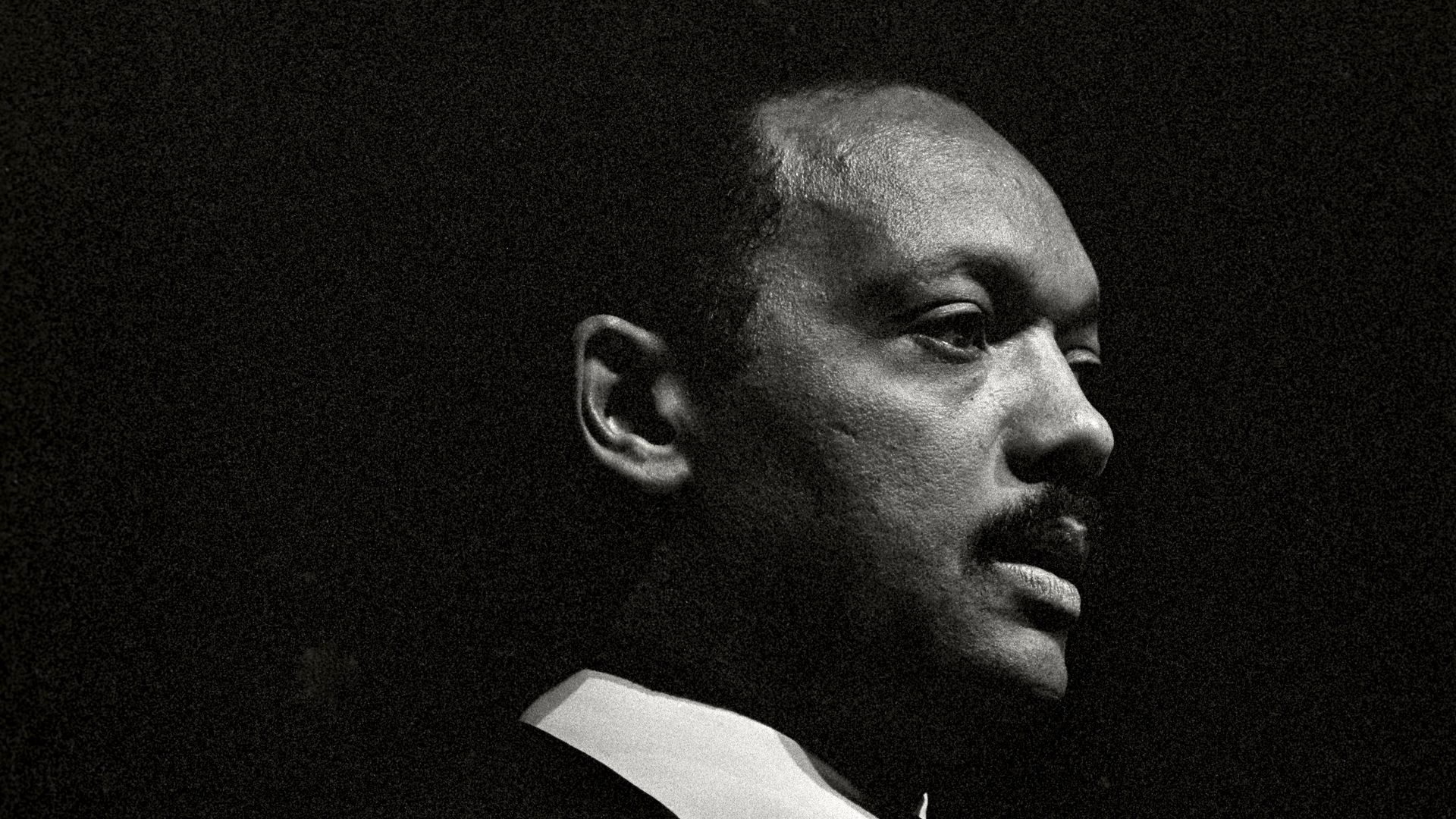
The Rev. Jesse Jackson. Photo: Mark Junge/Getty Images
The Rev. Jesse Jackson, a civil rights icon who died Tuesday, made numerous visits to Cleveland over a lengthy career fighting against racial inequality and injustice.
The big picture: That included accompanying Rev. Martin Luther King Jr. to the city during the 1960s and lobbying for Black business owners over the past decade.
What they're saying: "Rev. Jesse Jackson inspired generations to fight for justice, dignity, and opportunity," Mayor Justin Bibb wrote on social media.
- "May his legacy remind us that faith isn't passive. It calls us to act, to serve, and to keep building a more perfect union."
Flashback: Jackson grew up in Greenville, South Carolina, and after college joined King's Southern Christian Leadership Conference.
- Jackson was known for mobilizing young civil rights activists and organizing marches, taking part in famous events himself, including the 1963 March on Washington for Jobs and Freedom and the 1965 Selma to Montgomery March.
- Jackson quickly became part of King's trusted inner circle. He was talking to King from the hotel courtyard just minutes before he was assassinated in Memphis in 1968.
Zoom in: Jackson accompanied King on several trips to Cleveland during the 1960s, as the city dealt with the aftermath of the Hough riots.
- King and Jackson were regulars in support of Carl Stokes, who became the first Black mayor of a major U.S. city when he was elected mayor of Cleveland in 1967.
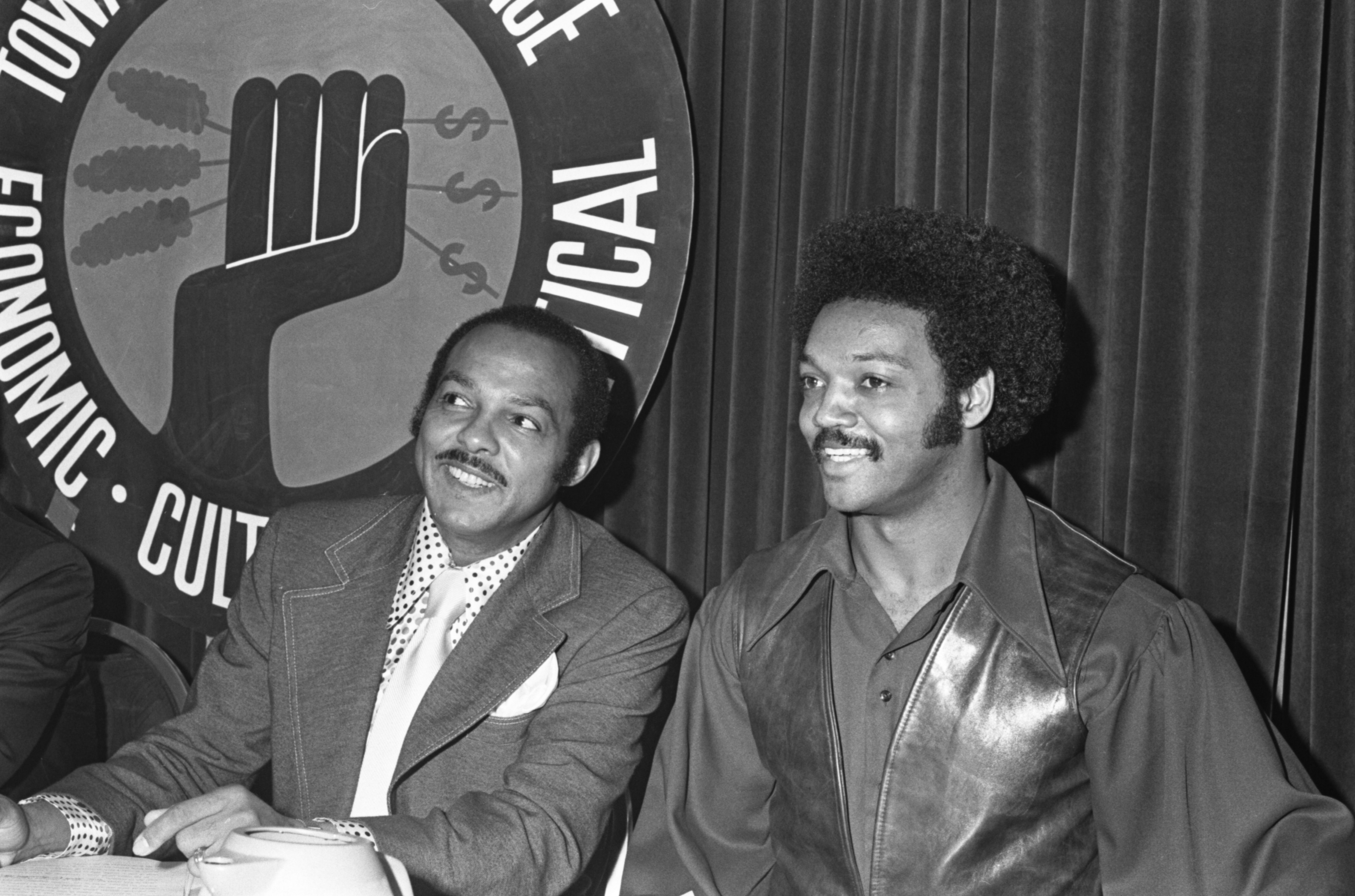
In 1971, Jackson founded Operation Rainbow PUSH (now Rainbow PUSH Coalition), a nonprofit dedicated to improving the economic conditions of Black communities.
- As part of his work with the organization, Jackson spoke at Cleveland's Shiloh Baptist Church in 1975 to encourage social action addressing racial discrimination and poverty in Cleveland.
Cleveland was also a key stop when Jackson ran for president in 1984, becoming the first major Black candidate to mount a nationwide campaign.
- Local civil rights activist Arnold Pinkney served as Jackson's campaign manager, while Cleveland's Louis Stokes, Ohio's first Black congressman, was an important ally.
Jackson was initially diagnosed with Parkinson's disease in 2015, but his diagnosis was later revised to a rare neurological disorder called progressive supranuclear palsy. He had been confined to a wheelchair in recent years.
- Still, he visited Cleveland in 2022 to advocate for diversity in the Sherwin-Williams global headquarters project.