Ohio filmmaker examines Underground Railroad through nature

Add Axios as your preferred source to
see more of our stories on Google.
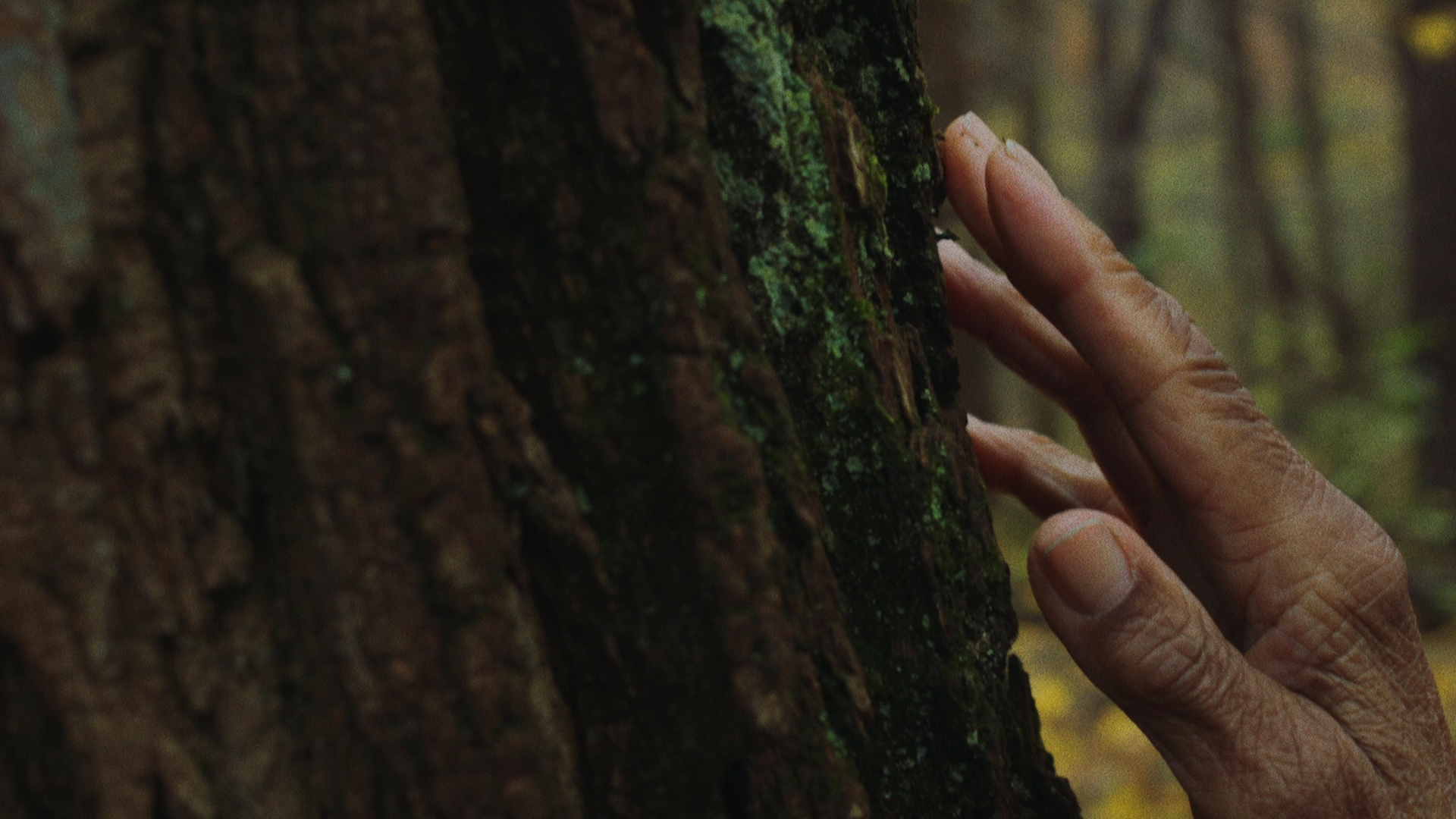
The moss that guides you. Photo: Courtesy of Simone Barros
A Northeast Ohio filmmaker has found a new way to tell the incredible story of the Underground Railroad.
Why it matters: Ohio was an active stop on the secret network of routes abolitionists used to help fugitive slaves escape the South during the 1800s.
- The Cozad-Bates House in University Circle and St. John's Episcopal Church were among the prominent stops in Northeast Ohio.
The intrigue: Simone Barros' experimental documentary "The Dead Will Show You the Way: A Fugue for Moss and Memory" showcases how escaped slaves used forest moss (which grows thicker on the north side of trees) as a navigation tool.
- The film combines imagery of moss with the story of Joan Southgate, a local activist who in 2002 honored her ancestors by walking a 519-mile route on the Underground Railroad.
What they're saying: "I really wanted to focus on moss as a character, by getting into the deep understandings of it," Barros tells Axios.
- "It's similar to how Indigenous people would use plants, animals, rocks and other parts of nature for navigation and orientation."
Between the lines: The project earned Barros, a former faculty member at the Cleveland Institute of Art and Cuyahoga Community College, the Ohio Humanities Film Fellowship at Ohio State University's Wexner Center for the Arts.
- It provides $5,000 in financial support and access to the Wexner Center's production facilities.
"Experimental art requires a great deal of concentration and time," says Barros, who began working on her film in 2015.
- "It is such a relief and excitement to gain the support of a community of creative and artistic people who have devised a life of making art."
What's next: Barros says "The Dead Will Show You the Way" is in its post-production phase.
- She hopes to begin screening it this fall.