Deepfakes, hacked courts and cloned voices: Inside Ohio's new AI crime wave


Add Axios as your preferred source to
see more of our stories on Google.
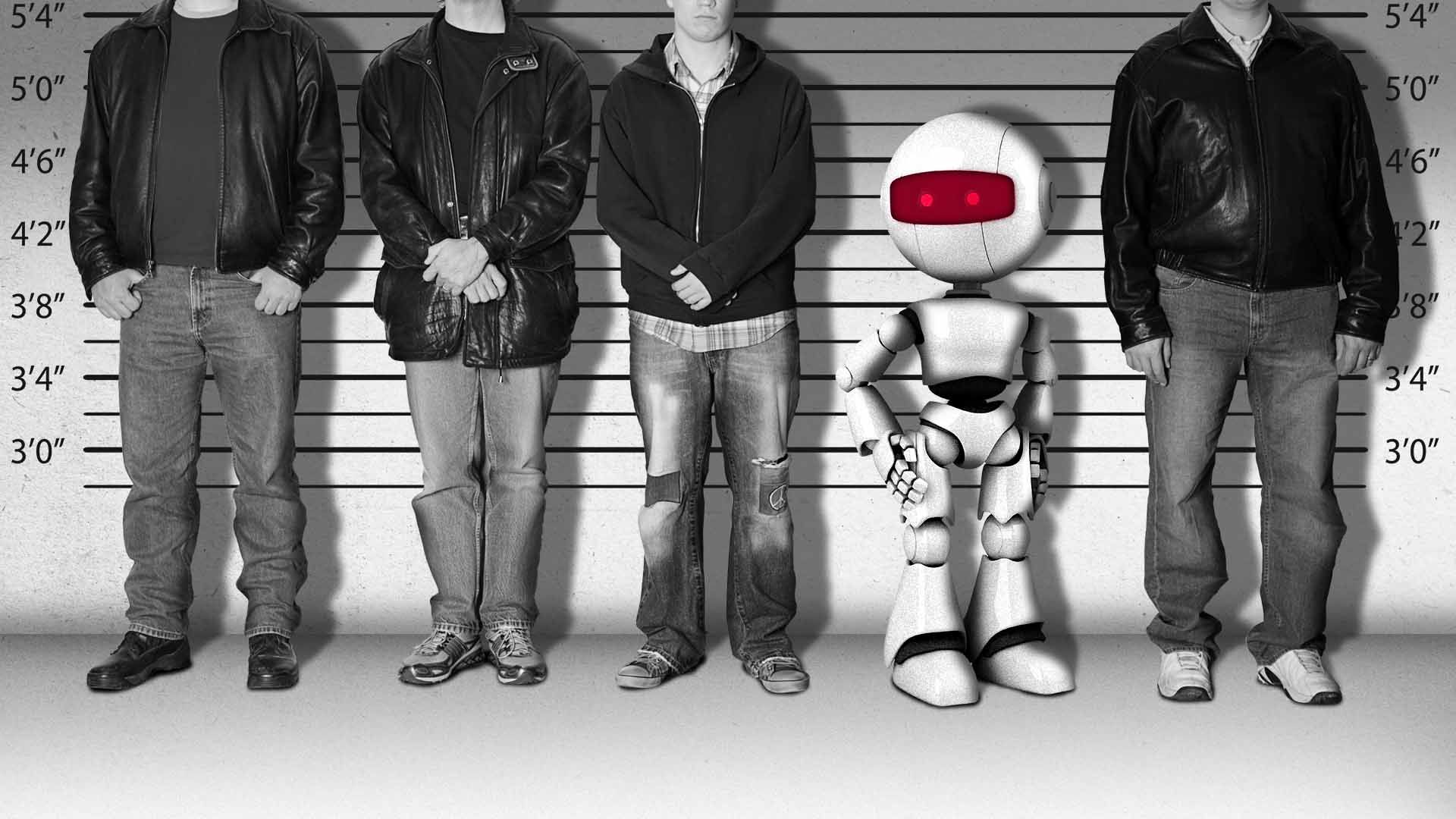
Illustration: Sarah Grillo/Axios
Artificial intelligence is rewriting the playbook for crime.
Why it matters: This new class of AI-supercharged crime is putting lives and financial systems at risk, as evidenced by multiple incidents in Northeast Ohio over the past few years.
- Criminals are using deepfake scams — utilizing AI to create fake audio, video or images — along with AI-written ransomware, mass identity hijacks and critical-infrastructure hacks.
Zoom in: A February cyberattack shut down Cleveland Municipal Courts for multiple weeks. Another cybersecurity incident hit Lorain County government in May.
- The incidents came less than a year after a ransomware attack shut down Cleveland City Hall in June 2024.
It's not just local governments. In August, Summit County issued a warning about scam calls that use AI-cloned voices of family members to entice victims into sending money.
- Last year, the Cleveland FBI warned of criminals using AI to create fake pornographic images of children for extortion.
The big picture: Deepfake fraud attempts surged 3,000% in 2023, per DeepStrike, a cybersecurity group.
- U.S. losses from fraud that relies on generative AI are projected to reach $40 billion by 2027, according to the Deloitte Center for Financial Services.
Between the lines: Ohio lawmakers have proposed bills to criminalize the use of deepfakes.
- House Bill 185, introduced in March, would prohibit the use of anyone's likeness without prior written consent.
What they're saying: "In recent years, the prevalence of 'deepfake' technology has been made widely available to the public," Attorney General Dave Yost wrote in a letter supporting the bill.
- "With this growth in availability comes the opportunity for bad actors to exploit artificial intelligence's capabilities to deceive and defraud the public."
Yes, but: Ohio has yet to enact specific legislation related to deepfakes.
- Ohio is also one of five states that did not include AI or computer-edited images in its child sexual abuse material and pornography statutes as of August, according to child-advocacy organization Enough Abuse.