WNBA expansion teams are entering a league transformed

Add Axios as your preferred source to
see more of our stories on Google.
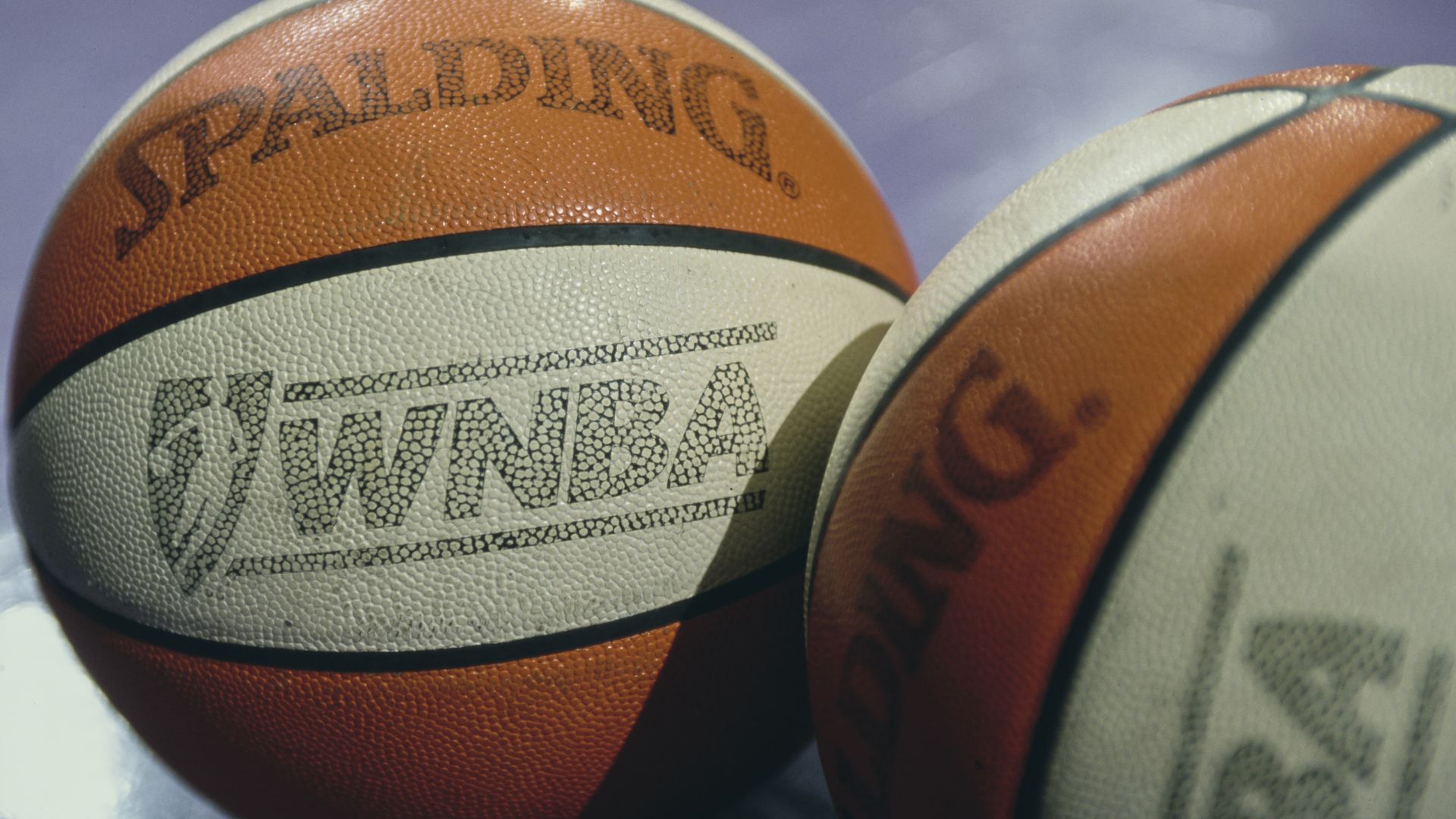
Photo: Todd Warshaw/Allsport/Getty Images
When Cleveland's WNBA team takes the court in 2028, it will enter a league vastly different from the one the Rockers unceremoniously exited in 2003.
Why it matters: This time around, the yet-to-be-named team — along with forthcoming expansion teams in Toronto, Portland, Detroit and Philadelphia — can expect a larger fan base, bigger paychecks and brighter spotlights.
The big picture: Ownership groups in Cleveland, Detroit and Philadelphia ponied up $250 million each — a record sum — for new expansion teams announced in June, showing just how far the once-mocked league has come.
- It's now the hottest brand in pro sports. Owners who in the early aughts struggled to find investors for their distressed assets are now clambering for a piece of a rapidly expanding pie.
Driving the news: This weekend's WNBA All-Star Game will feature Indiana Fever superstar Caitlin Clark — one of the biggest reasons for the league's surging popularity — captaining a team on her home court, though she is questionable to play after an injury Tuesday.
- The 18,000-seat Gainbridge Fieldhouse in Indianapolis sold out within hours.
Flashback: In 2003, the Cleveland Rockers' average attendance was 7,400 per game, a stat juiced by discounted and complimentary tickets.
- The Rockers were one of the WNBA's eight charter franchises, but failed to turn a profit in each of their seven seasons.
- Team owner Gordon Gund, who also owned the NBA's Cavaliers, cut ties shortly after that season, and the team folded when Gund and the WNBA were unable to find local investors to assume ownership.
Between the lines: Gund was not alone. The WNBA had surfed a cresting wave of enthusiasm for women's sports after the 1996 Atlanta Olympics, but for years was unable to capture sports fans' sustained attention and spending power.
- Even the dynastic Houston Comets, who won the WNBA's first four championships, couldn't attract investors at an asking price of $12 million after the league took over the team in 2007.
- It folded a year later, to the dismay of its former stars.

Fast forward: The landscape couldn't be more different today, as the WNBA monetizes the success of magnetic college superstars like Clark, Angel Reese and Paige Bueckers. It's now the fifth-most popular league nationwide, behind only the men's big four leagues: the NFL, NBA, MLB and NHL.
- Last year, the WNBA signed a lucrative media rights deal that will reportedly net it $200 million per year.
Zoom in: Cavaliers CEO Nic Barlage told reporters in a press conference last week that the record-setting 2024 Women's Final Four in Cleveland was a good sign that the city was ready for a WNBA franchise.
- "Every key performance indicator we've looked at over the last three years has this trajectory that you haven't seen in and around a sports asset in quite some time," he said.
- "What was even more important to us was the way that communities engage with these assets. They really wrap their arms around these teams."
What's next: Cities are doubling down on their investments with ancillary developments like practice facilities for their WNBA teams.
- The Indiana Fever are breaking ground this summer on a three-story, $78 million training facility in downtown Indianapolis, while the new Detroit team is planning a riverfront practice site.
Editor's note: This story has been corrected to reflect the WNBA expansion was announced in June (not earlier this month).