Ohio law prohibiting "stunt driving" now in effect

Add Axios as your preferred source to
see more of our stories on Google.
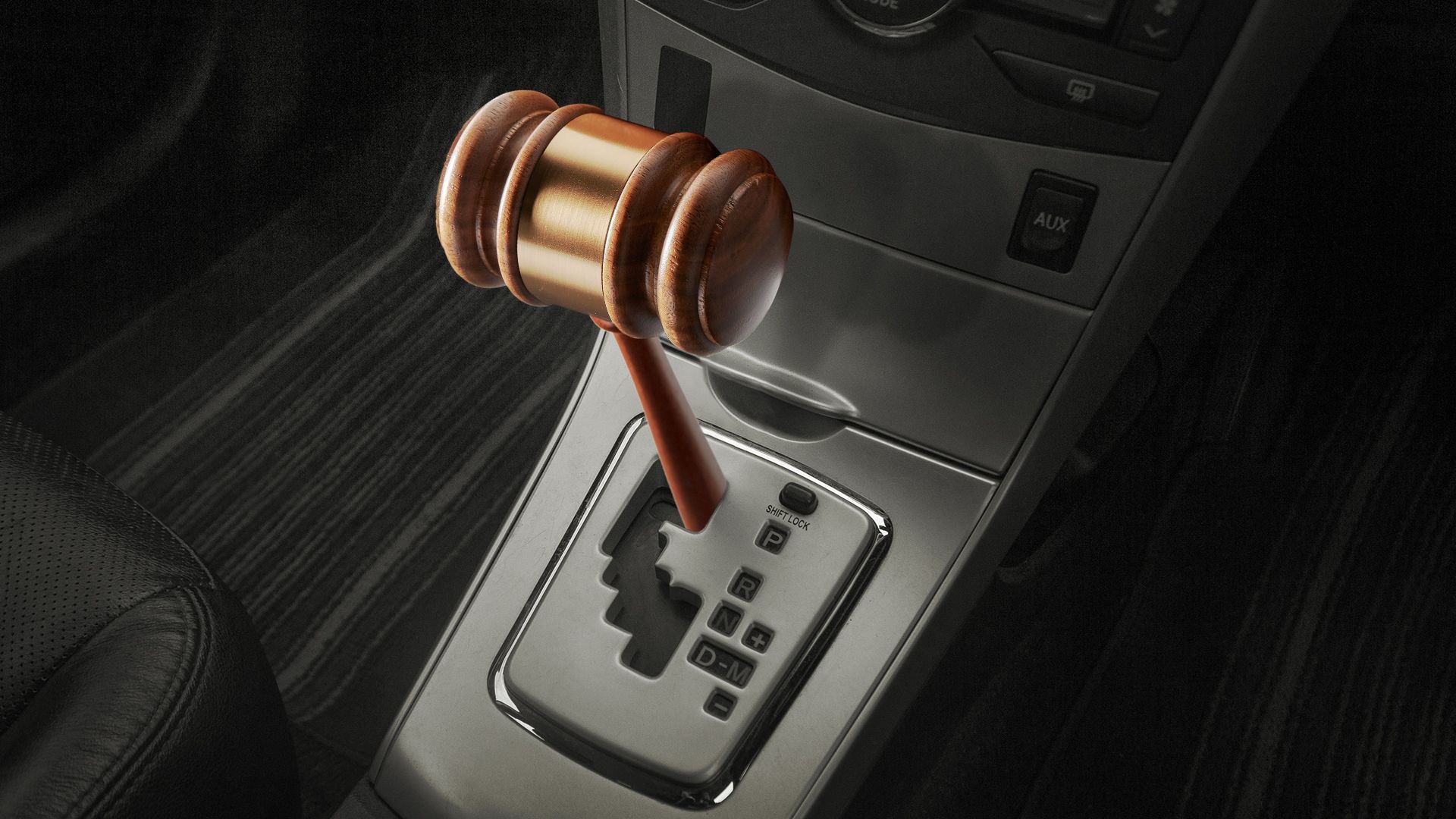
Illustration: Natalie Peeples/Axios
Dozens of stunt drivers from across Ohio converged on Cleveland late last month, setting off fireworks, blocking intersections, doing doughnuts and intimidating passing motorists in a series of simultaneous street takeovers that flummoxed local law enforcement.
Why it matters: The City Council grilled police leadership in the aftermath, demanding stricter accountability for reckless driving and new tactics for preventing dangerous antics on the road.
- State lawmakers concur.
Driving the news: A new state law goes into effect Thursday that makes "stunt driving" a first-degree misdemeanor, carrying a maximum sentence of 180 days in jail.
- The law authorizes police to charge anyone "rendering assistance" to stunt drivers, including people who help block roads or film for social media.
- It also increases penalties for fleeing law enforcement.
Zoom in: Existing law already prohibited street racing, but new language adds doughnuts, burnouts, drifting, and wheelies to that definition. Such behavior is banned on all public roadways and on private property open to the public.
- The city of Columbus took the state law a step further, passing a local ordinance this summer allowing police to seize vehicle components or accessories used in stunt driving — things like modified wheels or steering wheels.
Between the lines: Police have contended that prosecuting stunt driving is a challenging task. Even if they're able to identify vehicles involved, it's a taller hurdle to prove who was behind the wheel.
Yes, but: Cleveland police and the Cuyahoga County Sheriff's Department made two more arrests this week in connection with last month's takeovers.
What we're watching: Cleveland Police Chief Dorothy Todd told the City Council that police would pursue felony riot charges for those connected with the Sept. 29 takeovers.
- The department is considering blocking intersections with city vehicles or installing rumble strips to discourage similar activity in the future.
- The council lobbied for active surveillance using police drones purchased using federal stimulus funds.