Charlotte Democrats who voted to weaken carbon goals have history of Duke Energy donations

Add Axios as your preferred source to
see more of our stories on Google.
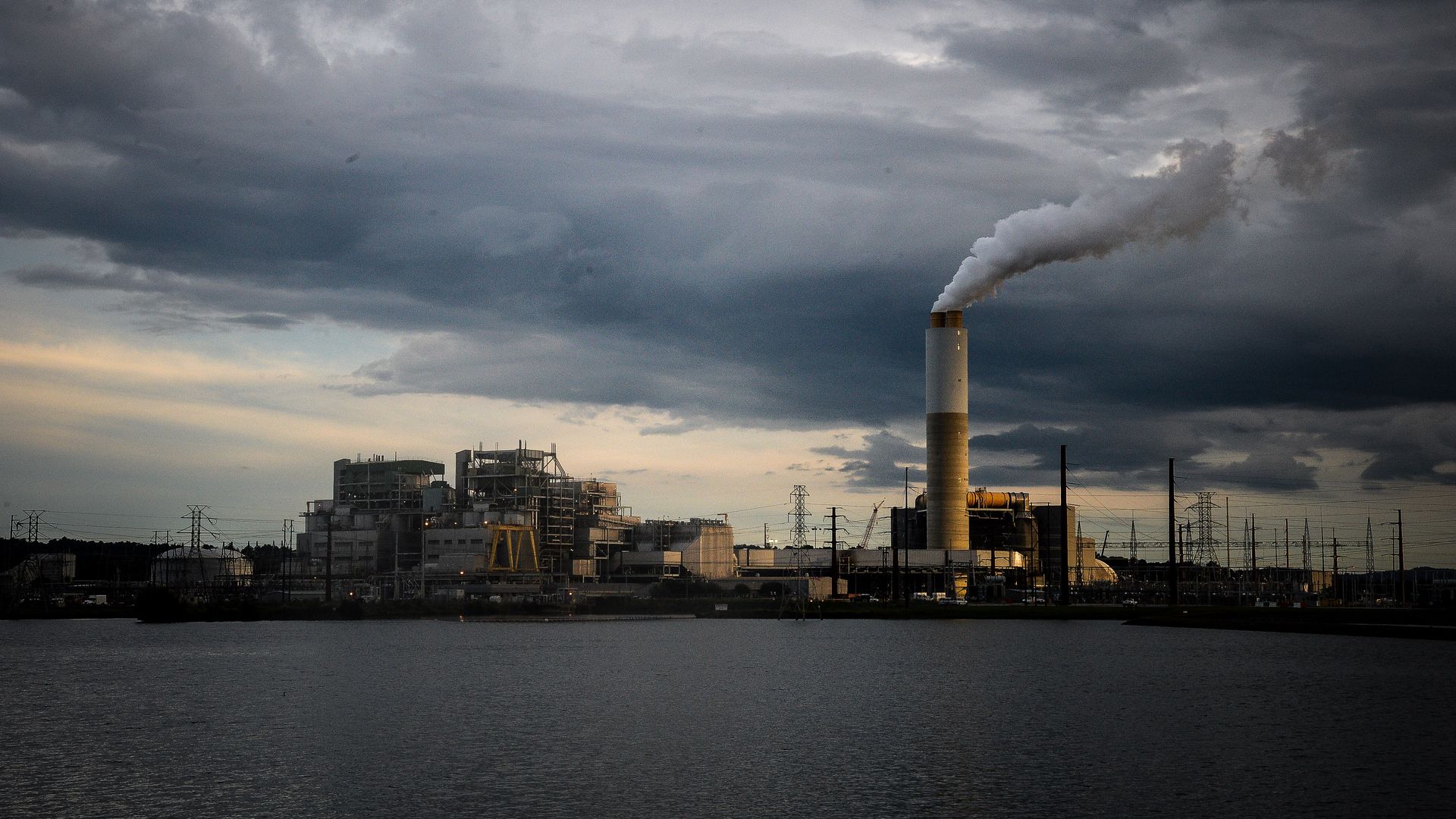
Photo: Charles Mostoller/Bloomberg via Getty Images
Two Charlotte Democrats who voted Tuesday to roll back Duke Energy's carbon emissions reduction mandate have accepted thousands in campaign contributions from the utility's political action committee.
Why it matters: The override of Gov. Josh Stein's veto of Senate Bill 266 has raised concerns about the influence of corporate and dark money in the legislature.
What's inside: "The Power Bill Reduction Act" eliminates an interim goal that requires Charlotte-based Duke Energy to reduce carbon emissions by 70% by 2030, while maintaining a longer-term goal of carbon neutrality by 2050.
- It would also change how Duke Energy can set its rates and recover costs from its under-construction plants.
Zoom in: Supporters say this will give Duke flexibility to meet rising energy demand and save a projected $15 billion over the next two decades.
The other side: Critics and some researchers, on the other hand, say it will cost consumers more, while slowing down Duke's transition to clean energy sources at a time of record extreme heat.
Catch up quick: Former Sen. Paul Newton, a former Duke Energy executive, helped introduce the bill. Republicans then convinced 11 Democrats in the House and three in the Senate to support it.
- Earlier this month, Gov. Stein vetoed the bill, citing an independent analysis that showed the changes could cost ratepayers up to $23 billion through 2050 "due to higher fuel costs."
Follow the money: Duke Energy's PAC is among the top donors for Mecklenburg County Reps. Nasif Majeed and Carla Cunningham, who both joined Republicans in passing the measure. Neither responded to a request for comment on Tuesday.
- From Duke Energy's PAC, Majeed received $2,000 in the 2024 race, $500 in 2022 and $1,000 in 2020, according to Follow The Money. The PAC is his sixth biggest contributor.
- Cunningham has received $19,400 since 2016, including $6,000 for the 2024 campaign, $5,000 for 2022 and $5,400 for 2020. Duke Energy is her fourth-largest donor, per the campaign finance data website.
What they're saying: Sustain Charlotte, an environmental advocacy group, called out Majeed and Cunningham in a press release, saying the officials should be held accountable for prioritizing "utility profits over the people they represent."
- "This vote releases Duke from any legal obligation to reduce climate pollution until 2050, despite overwhelming scientific consensus that we must act much sooner," says Shannon Binns, the group's executive director, who called the vote an "out-of-touch decision," especially during a heat wave in North Carolina, and months after Helene.
Between the lines: Majeed and Cunningham are known swing voters, siding with the GOP majority 72% and 79% of the time, respectively.
- In May, Cunningham was the only Democrat to vote in favor of a bill for tougher immigration rules.
- Another swing voter, Rep. Shelly Willingham of Edgecombe County, joined in the override. Duke Energy's PAC has contributed $23,000 to his campaigns since the 2018 election, according to Follow The Money. The committee is his second-largest donor. Willingham did not respond to Axios' request for comment.
What they're saying: "Policies which build on our state's strong customer protections while helping meet growing energy demands from population growth, business expansion and a resurgence of manufacturing can play a critical role in supporting North Carolina's thriving economy," a Duke Energy spokesperson previously told Axios.
Duke Energy has ties to a newly registered nonprofit, "Citizens for NC Jobs," which paid for mailers to constituents in the districts of Democrats who supported the bill, NC Newsline reported.
- The messages ask the recipients to thank their legislators for their vote "to lower our power costs."
- The entity launched on Facebook just three days after Senate Bill 266 was presented in March.
Axios' Zachery Eanes contributed to this story.