City will test parking permits as potential fix to issues in Dilworth and Wilmore

Add Axios as your preferred source to
see more of our stories on Google.
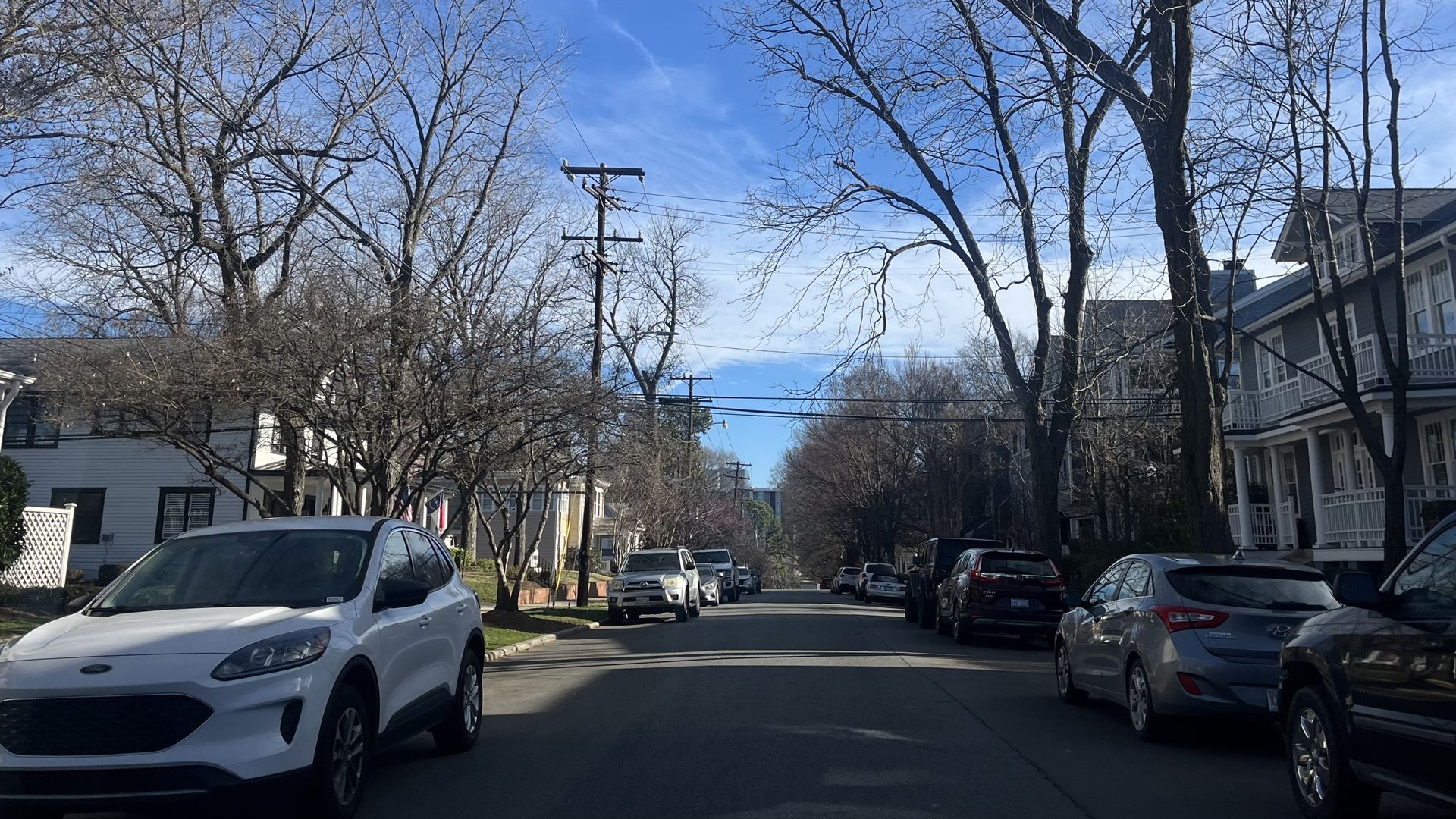
Photo: Alexandria Sands/Axios
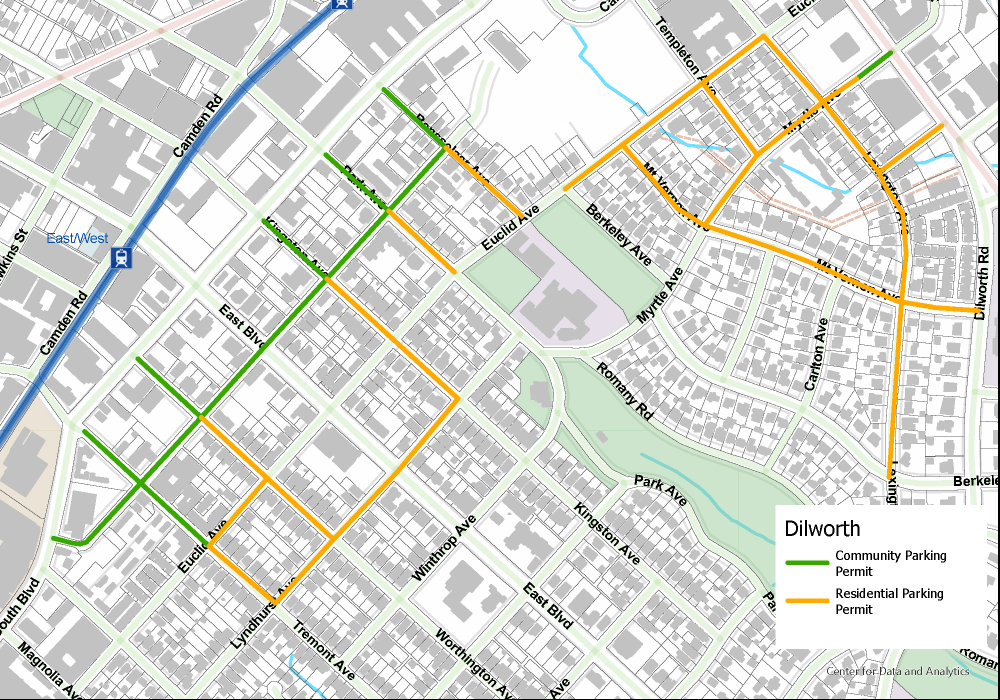
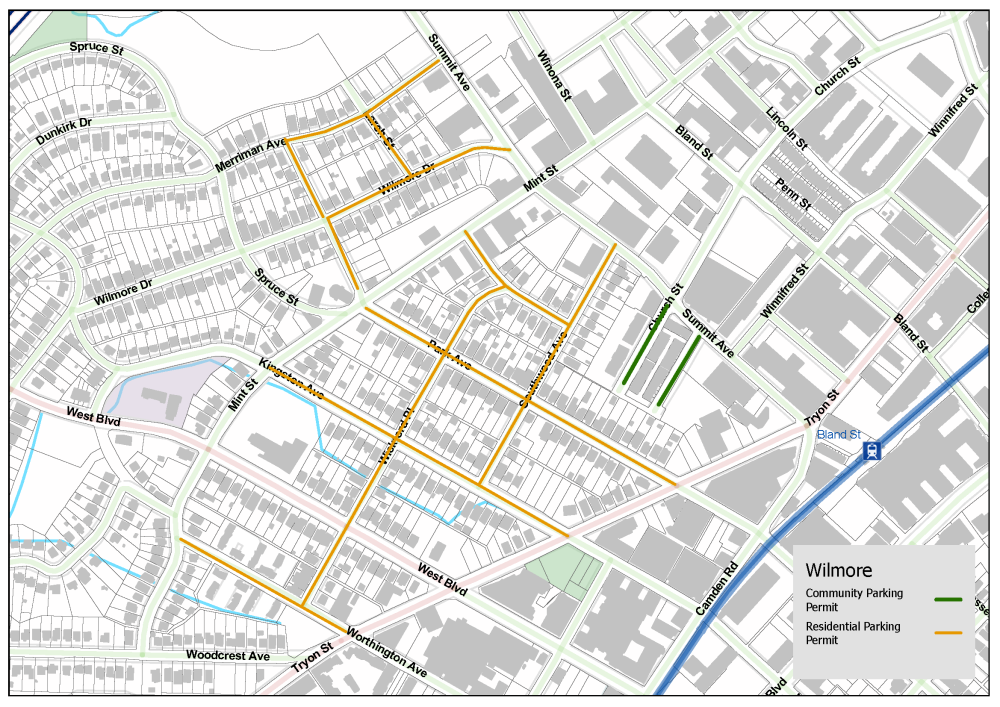
The City of Charlotte will install signs in the Dilworth and Wilmore neighborhoods starting this March for a new permit program to regulate parking.
Why it matters: As Charlotte grows, finding a parking spot in neighborhoods like South End is increasingly difficult. Construction workers and business patrons often leave their cars parked along residential streets for hours, limiting spaces for residents.
Case in point: Last September, restaurateurs Jeff Tonidandel and Jamie Brown almost lost a rezoning battle to save a 1903 building in Dilworth — a neighborhood that prides itself on its history — after neighbors argued the preservation project would worsen the parking situation.
How it works: Dilworth and Wilmore residents can purchase a single permit for $35, or up to six permits for $60. Permits are valid for a year.
- Visitors may have to pay $1.50 an hour, depending on the zone they park in.
Each neighborhood will be divided into a community zone and a residential zone.
- In the residential zone, a permit is required to park for longer than two hours during designated times. In Wilmore, this includes during stadium events.
- In the community zone, visitors may pay to park for up to two hours. Residents and businesses with permits are exempt from the meter.
What they're saying: "The pilot aims to help manage on-street parking demand while ensuring residential access to the curb," the Charlotte Department of Transportation (CDOT) told Axios in a statement.
Zoom out: Charlotte already implemented parking permit programs in First Ward, Third Ward and Fourth Ward to address high demand during big events at Bank of America Stadium and elsewhere in Uptown.
- Requests for the program to expand have grown as crowds from Uptown and South End have poured into the surrounding neighborhoods.
Catch up quick: CDOT has cracked down on parking in South End, extending hours and implementing fines.
- "With South End's new parking plan and continued growth, parkers will continue to push into the neighborhood," says Grayson Hawkins, of the Wilmore Neighborhood Association. "It is logical that we need some sort of parking regulations or monitoring for residents and guests."
Between the lines: Charlotte's lack of parking regulations in residential areas is one reason why the city still mandates that developers build parking — even next to the light rail.
- Unlike Raleigh and Durham, Charlotte requires developers to build a minimum number of parking spaces for new construction projects. Developers say they could build more, denser housing and better address the housing shortage without such regulations.
- But city leaders worry people will just leave their cars parked along the curbs if parking is unavailable.
What's next: Neighborhoods such as NoDa are also experiencing parking shortages due to development and a surge of popular businesses opening in recent years.
- A city spokesperson says there are "no current goals to expand to other areas of Charlotte, but the team will continue to monitor the pilot program and use that data to inform the future."