"Wipe those [regulations] clean:" Charlotte UDO is too complex and costs everyone, developers say

Add Axios as your preferred source to
see more of our stories on Google.
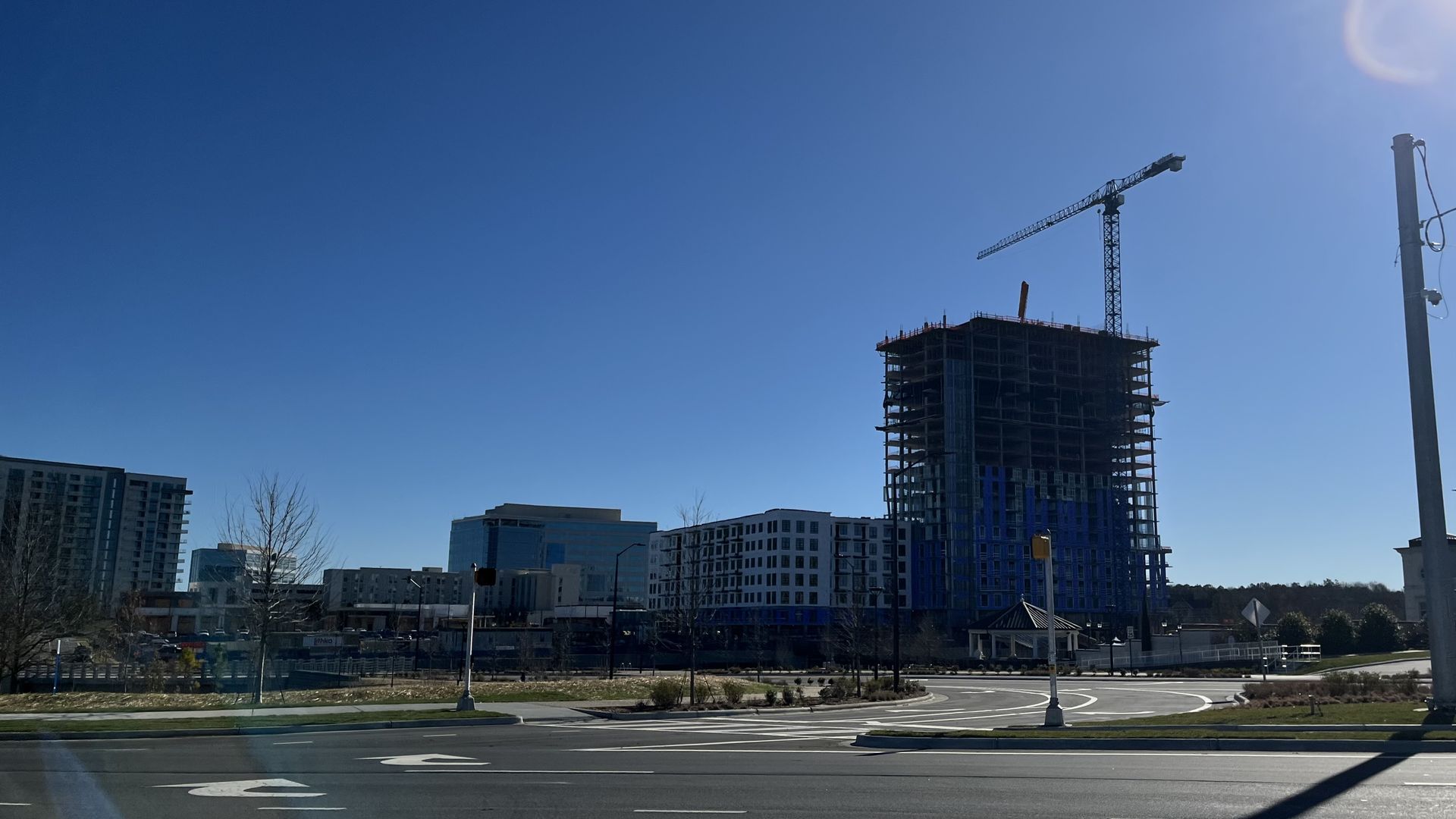
Photo: Alexandria Sands/Axios
Local government regulations are causing construction delays and raising the cost of housing and other projects, according to a panel of Charlotte business leaders.
Why it matters: Charlotte city leaders worked for years on overhauling its development lawbook, largely with a goal to drive more middle-housing construction to make it more affordable to live here.
Yes, but: Developers say it would be better if the city wiped those regulations "clean," and it would likely cut the costs of housing projects.
Driving the news: During a South Charlotte Partners economic development panel Wednesday morning, the city's own economic development director Tracy Dodson asked the group about their thoughts on the local government's zoning and ordinances.
Northwood Office president John Barton says people are unclear and frustrated with the new UDO.
- "You start spending a lot of money with designers and planners and then find out, 'Oh, we thought this is what it said,' but nobody really knows what it says," Barton says. "That's a problem because it just runs up costs and creates more delays."
- "I know, like, three people who really sort of know what's in it, and they always say, 'Let me check on that.' And so, it just shouldn't be like that."
Chris Thomas, retail partner at Childress Klein, says government turnover and fire regulations have stalled construction of a more than 180-acre mixed-use project in Steele Creek with a planned Novant Health campus.
- Thomas also said he thinks of building less parking in the future. He indicated initiatives like the SouthPark Skipper, a new free microtransit service, help use the abundance of existing spaces more efficiently.
Ron Pappas, owner of New Leaf Development, says he's asked Charlotte planning director Alyson Craig to "give me a blank slate," referring to local regulations.
- "We created all these rules. So now wipe those clean," he said. "Design and build what the market wants, and then work backward from that."
Reality check: City leaders want to let the market meet the demand for housing so prices will fall, but they also worry the city hasn't built enough infrastructure to let developers run wild.
- City officials face pressure to scale back flexible regulations even more to prevent "unintended consequences" for neighborhoods. For example, residents often worry small streets will be inundated with cars and become less safe because of proposed high-density housing.