Austin's Hispanic heritage in street names

Add Axios as your preferred source to
see more of our stories on Google.
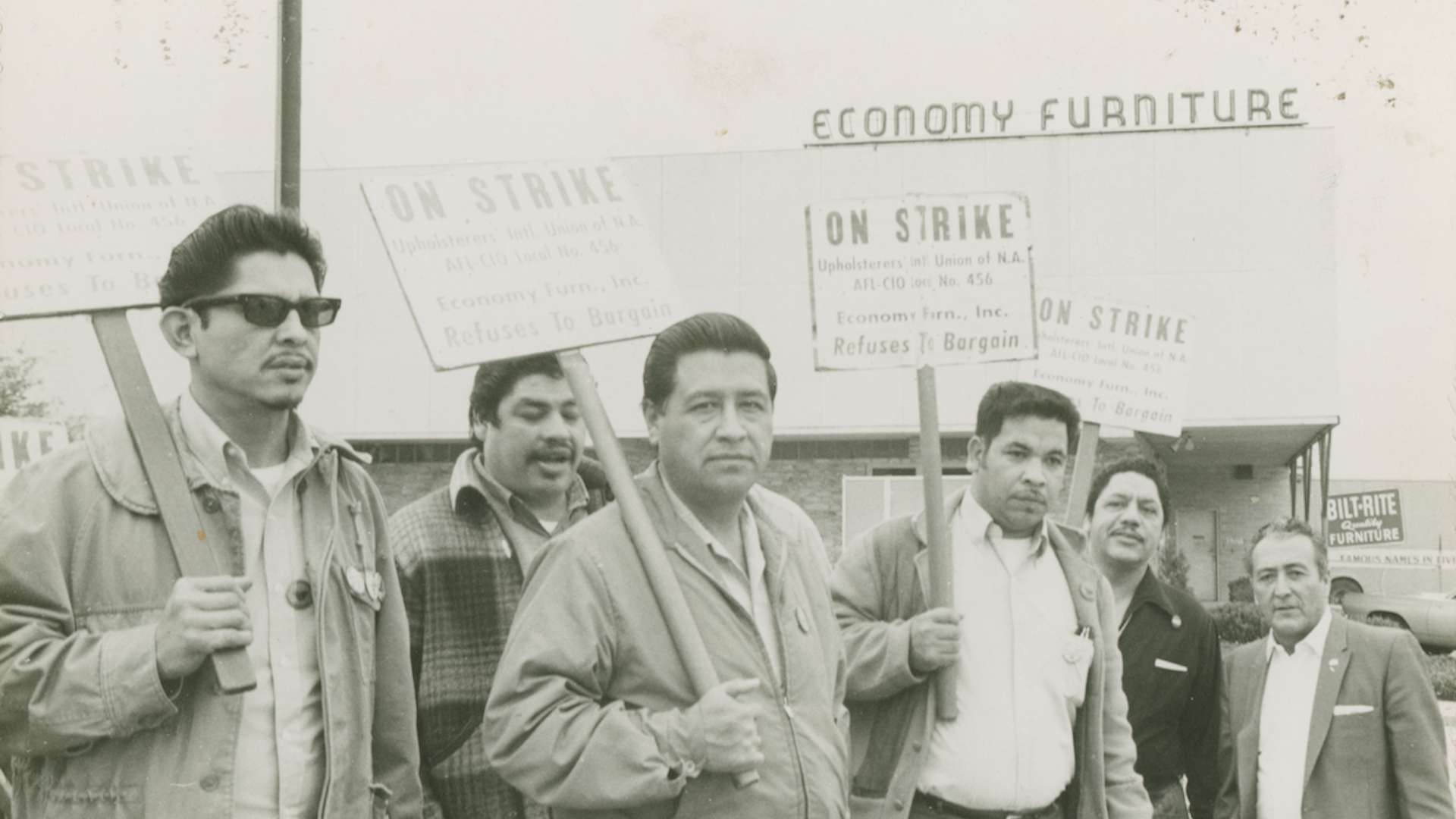
Cesar Chavez, third from left, joins the picket line in front of the Economy Furniture Company in February 1971. Photo: Courtesy of the Economy Furniture Company Strike collection in the Benson Latin American Collection
To mark the start of Hispanic Heritage Month, we thought we'd take a look at a few of the many ways Austin recognizes its Latino influence.
Why it matters: How Texas and immigrant history is told remains very much an animated, even contentious issue.
Driving the news: An East Austin installation unveiled Monday commemorates a 28-month labor strike that began in November 1968 and was key to the rise of Hispanic political power in Austin.
- The stela at the Richard Moya Eastside Bus Plaza, at East Fifth Street and Shady Lane, recalls the effort to win better pay and benefits and the right to bargain collectively from the Economy Furniture Company — where 90% of the workers were Hispanic.
- A decision by the Austin City Council to deny the strikers a parade permit for a march galvanized political power in East Austin.
What they're saying: "Our answer was that elections were around the corner" — 1971 — "and that we would try to elect a City Council that was more sensitive to the community," Lencho Hernandez, a boycott captain, told Juan Castillo of the American-Statesman.
- The council saw major change and the strike ended with the workers winning union recognition in the courts.
By the numbers: Hispanic people now make up almost a third (312,000) of Austin's population, per the U.S Census Bureau.
Flashback: Spaces in Austin have long carried Latino names. A century and a half ago, the area of Austin now known as Republic Square was commonly known as "Mexican Park," Sarah Marshall wrote for Preservation Austin, because of the concentration of Mexican immigrants settled nearby.
Yes, but: It's hard to know now whether the moniker was simply descriptive — or derogatory.
Meanwhile: The pronunciation of some of our main streets — Guadalupe, Menchaca — has been anglicized in the Texas style.
More recently, some streets in Austin have been named to honor Hispanic leaders.
- Calle Limon: Renamed in 1986 from Don Ann Street, it honors members of one of the founding families of East Austin, the Limón family. Prominent Limón family members include matriarch Eloisa Ojeda Limón and her son Johnny Limón.
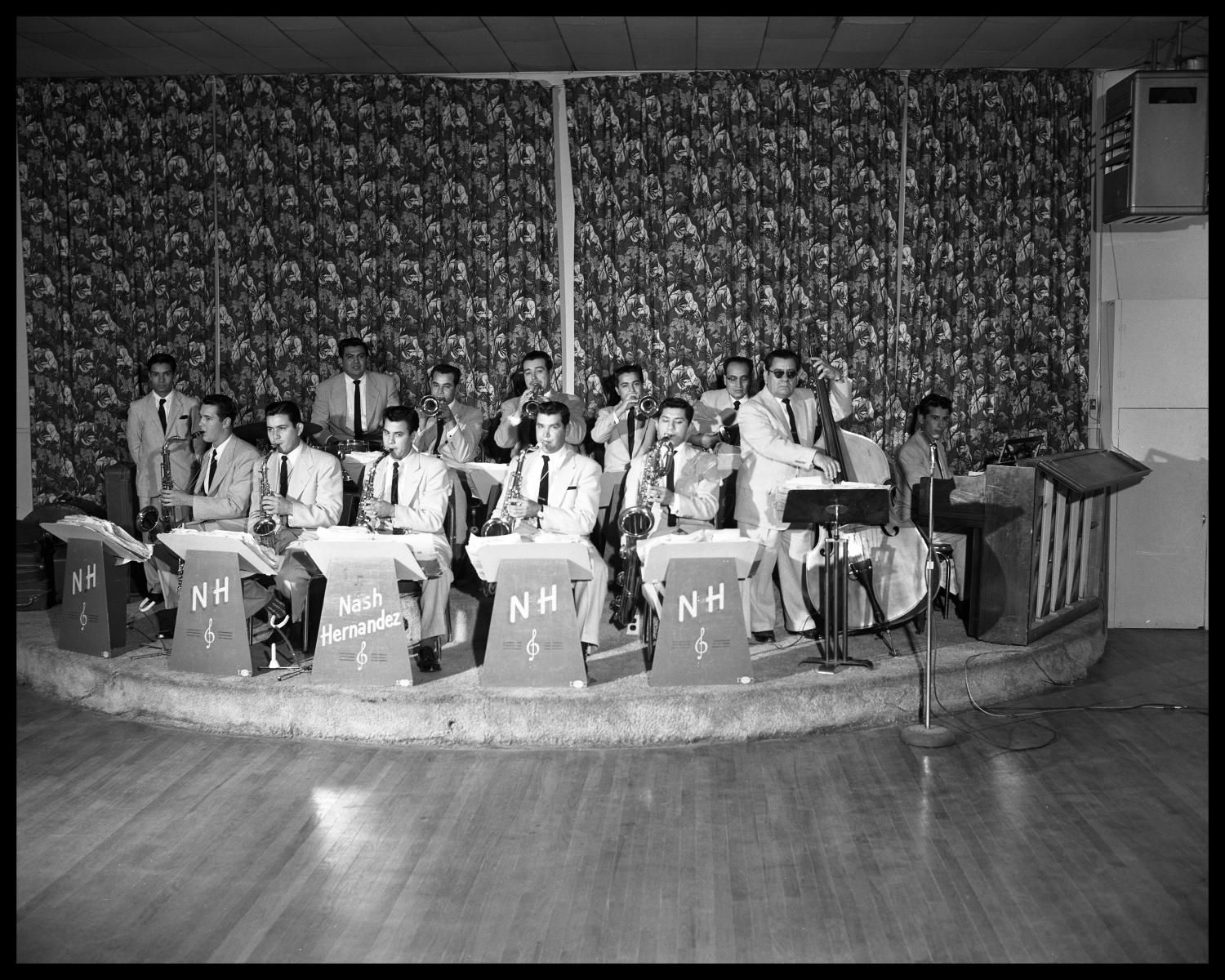
- Nash Hernandez Sr. Road: Ignacio "Nash" Hernandez Sr. founded the Nash Hernandez Orchestra, Austin's longest-running jazz big band, in 1949. Many Latino and jazz musicians in the Austin area got their start playing with the group. The street was renamed from Festival Beach Road in 2006.
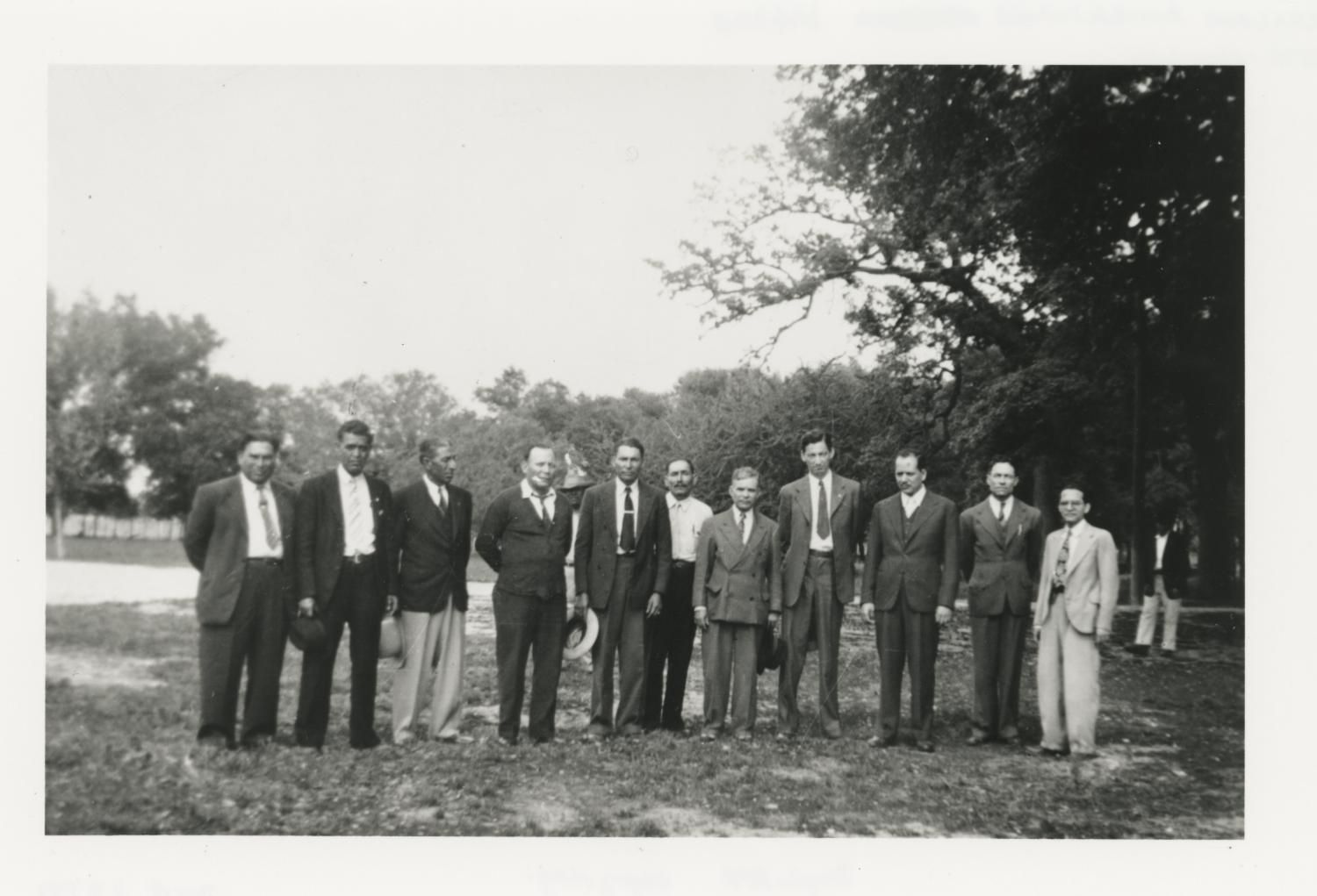
- Cepeda Street: Eustasio A. Cepeda advocated for the establishment of a Mexican consulate in the city and helped organize "mutualistas," societal organizations created to empower Latinos.
- Sandra Muraida Way: Sandra Muraida was a beloved secretary at the city Transportation and Public Works Department. She died of cancer in 1994. In 1995, the city renamed the short connector from West Cesar Chavez Street to North Lamar Boulevard in her honor.
- Robert T. Martinez Jr. Street: Changed from Canadian Street in 1989 to honor an Austin police officer who was killed in an accident when his patrol car hit a tree at the intersection of East Second and Chicon streets. Martinez was responding to a call of shots fired at the time, and had to swerve to avoid another vehicle.
The bottom line: Austin's history is always just a street name away.