May 14, 2024 - News
Stat du jour: Our tree canopy


Add Axios as your preferred source to
see more of our stories on Google.
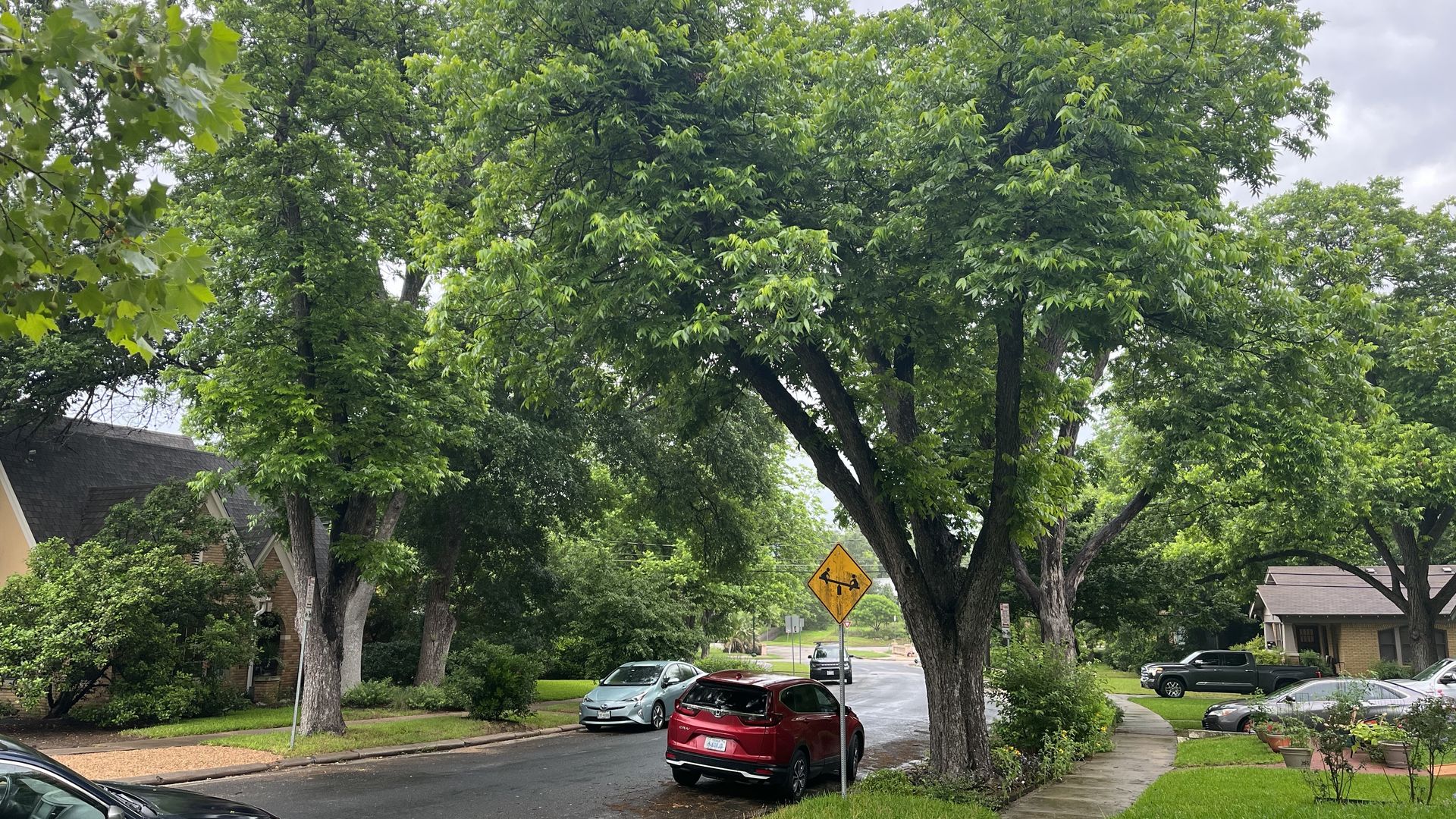
Austin's tree canopy is at 41%, per the city's newly released State of Our Environment report.
Why it matters: Who doesn't love a good tree, especially in these increasingly scorching times of ours?
Zoom out: The city has set a goal of 50% by 2050.
By the numbers: 2018 to 2022 saw a 5-percentage-point increase in the area of canopy measured.
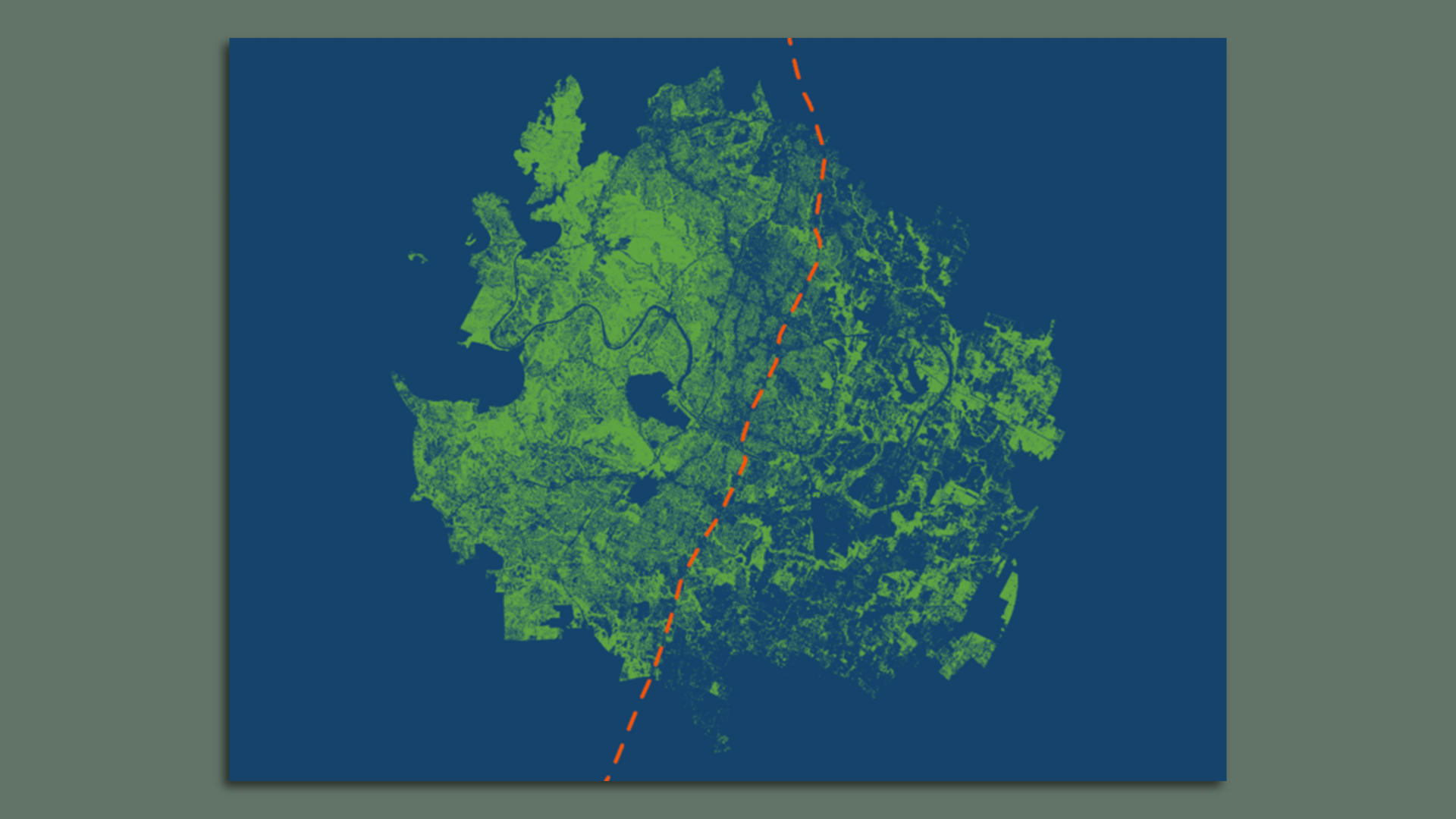
Between the lines: Wealthier neighborhoods typically have more trees — and there tend to be fewer trees and more roads and buildings where people of color reside, per the city report.
- City officials point to Westlake, where the canopy is 69% and the median household income is $238,000.
- Meanwhile, the St. Johns neighborhood, which has a $41,000 median household income, is 21% covered with tree canopy.