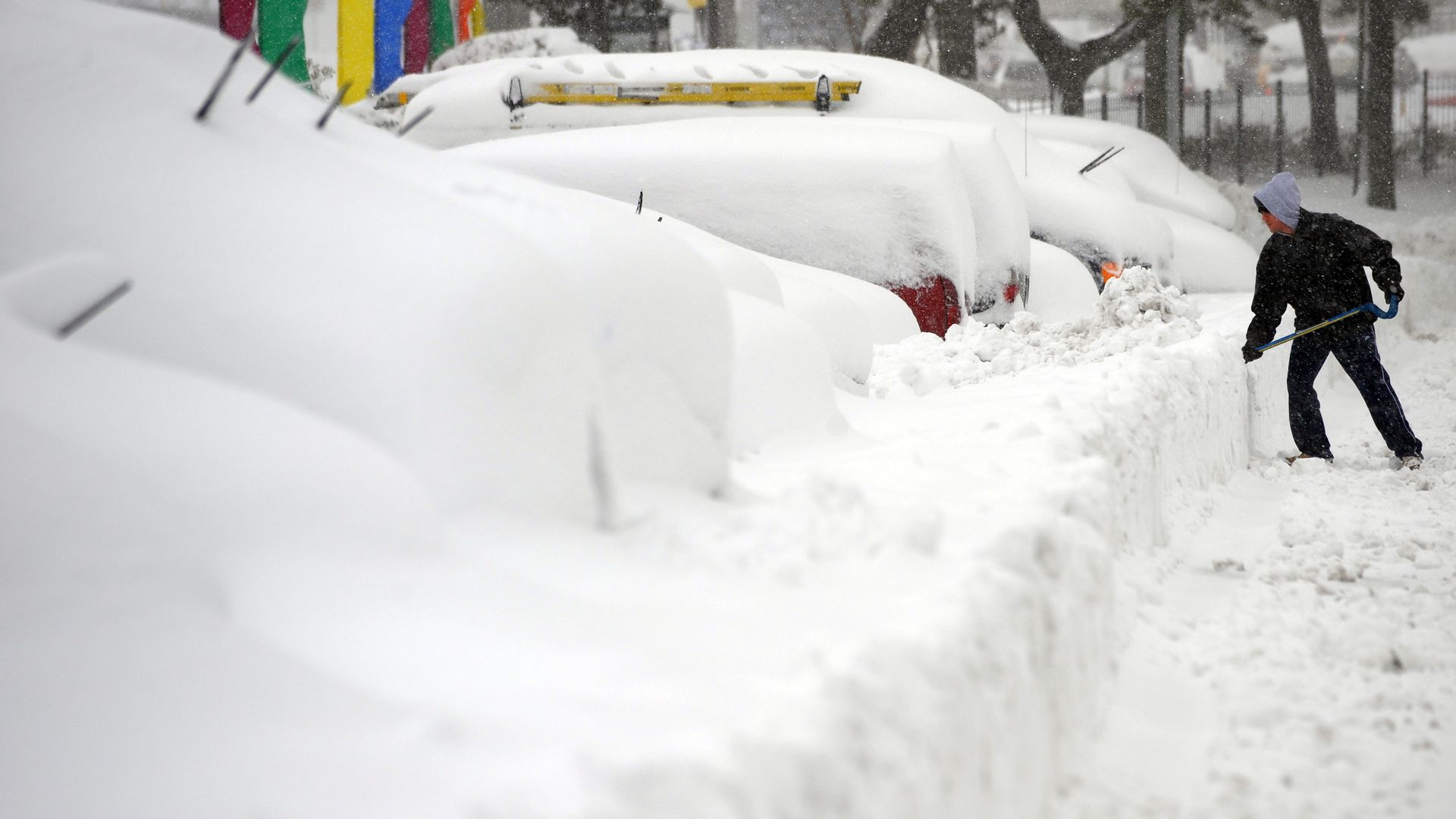
An extreme weather pattern is affecting conditions across the U.S. and Europe, specifically a powerful area of high pressure across Greenland and Hudson Bay. This feature, known as a “Greenland Block,” along with another weather cycle, typically lead tocold and snow in the eastern U.S., parts of Europe and Asia.
The big picture: The blocking high over Greenland is acting like an atmospheric detour, diverting weather systems around it and favoring, but not guaranteeing, cold air outbreaks in Europe and North America as Christmas approaches.
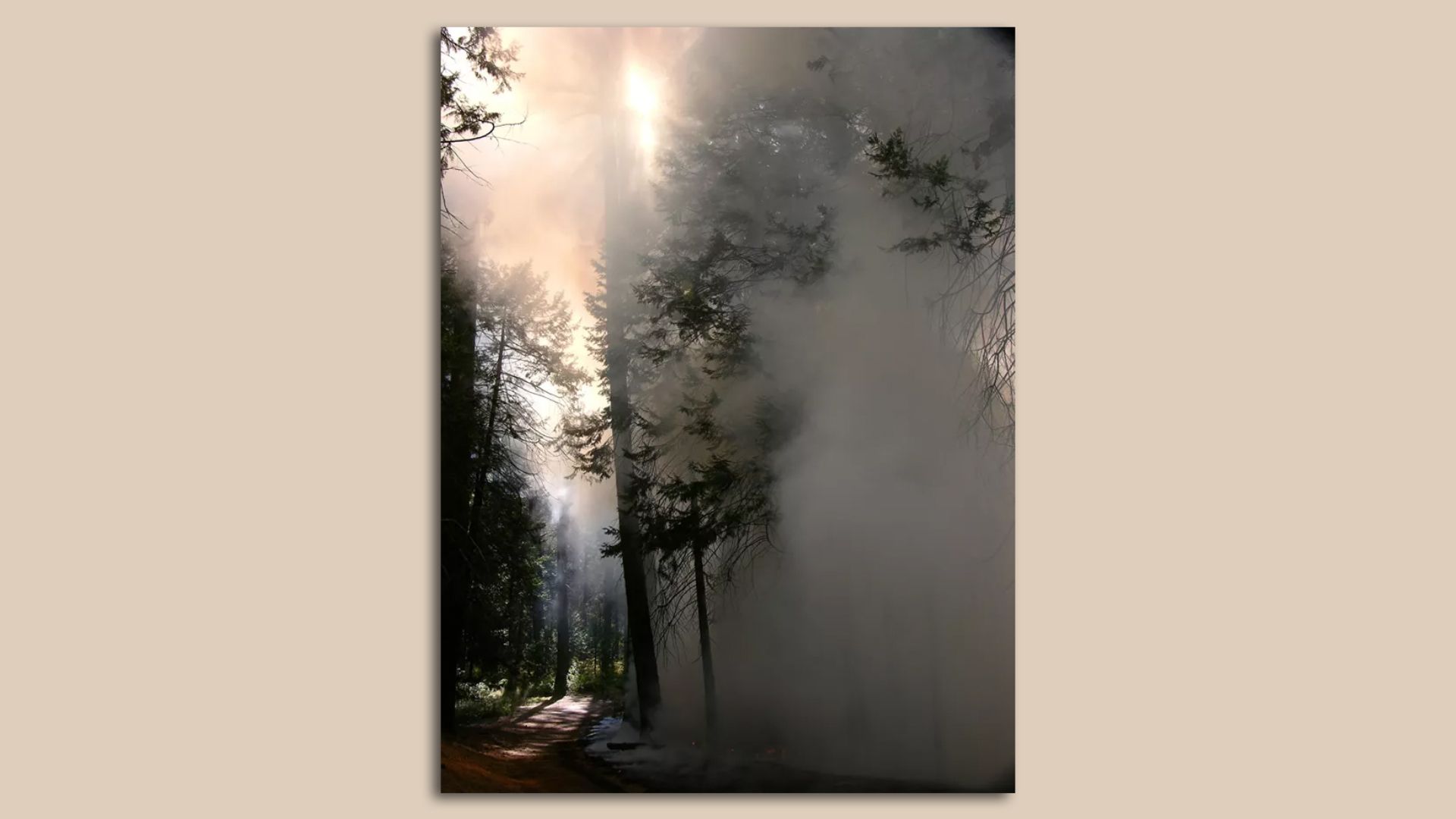
A study published Wednesday in the journal Science Advances found that historical Indigenous "cultural burning" curtailed wildfire patterns on local scales over a period of roughly 400 years in the southwestern U.S.
Driving the news: As warming temperatures drive the risk of increased and intensified wildfires across the world,adaptingtraditional burning practices into fire management could diminish the role of climate in enkindling today’s wildfires.
"Sustainable" aviation fuels (SAFs), which are made from household solid waste, algae and other inputs, could dramatically cut emissions from air travel while also creating thousands of jobs, a new report finds.
Why it matters: Aviation is one of the hardest sectors to decarbonize because planes are typically in service for decades at a time and cannot be significantly reengineered to run on different fuels.