The Supreme Court said Friday that it will review a petition from Big Oil companies — including BP, Exxon and Chevron — that argues that mounting climate lawsuits against them should be kept out of state courts.
Why it matters: "The high court’s interest in the issue is good news for oil and gas companies, which have tried for years to push climate liability cases to federal courts, and ultimately defeat them," Bloomberg Law reports.
Oil prices plunged after President Trump's overnight announcement that he tested positive for COVID-19 and federal data this morning that showed a slowdown in U.S. hiring.
Why it matters: Oil prices were already under downward pressure from the virus' persistence and, per Reuters, the U.S. impasse over stimulus talks.
Electric cars get lots of attention but an analysis provides sobering numbers that show why EVs are not, as the authors say, a "silver bullet" for wringing emissions out of passenger travel.
Why it matters: The paper in Nature Climate Change arrives as officials in California, the country's largest auto market, are pledging aggressive regulations to ramp up EV sales.
The American Petroleum Institute is launching a digital ad barrage in the closing weeks of the election that promotes natural gas and industry access to drilling in areas Joe Biden would place off-limits.
Why it matters: API is the industry's most powerful lobbying group. The seven-figure buy shows how the industry sees the threat from Democratic climate proposals — including a ban on new oil-and-gas leases on federal lands.
A federal report on U.S. carbon emissions helps to show the fast rise of wind and solar in recent years and why the potential retirement of nuclear plants makes it harder to deeply decarbonize the overall mix.
Driving the news: As the chart above shows, renewables are a rapidly growing share of the total amount of zero-carbon electricity the country produces, but nuclear still has by far the largest amount.
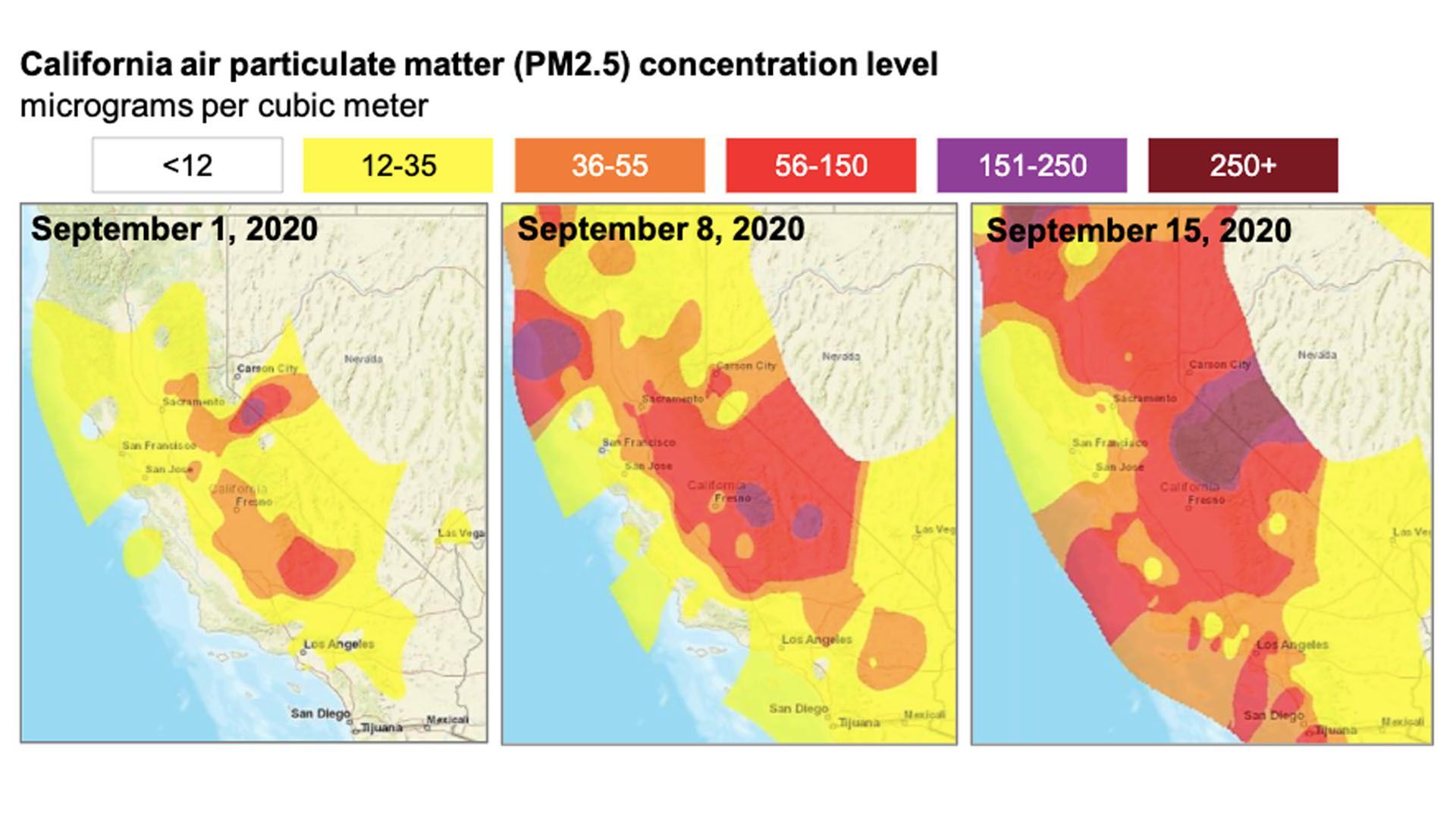
From the apocalypse files: A new Energy Information Administration analysis shows that pollution from California's dreadful wildfires has substantially curtailed solar power generation in the state.
Why it matters: Everything's connected. The growing wildfires in California — a problem worsened in part by global warming — create complications for one of the power sources that can help fight climate change.
The University of Cambridge said this morning that it "aims to divest from all direct and indirect investments in fossil fuels by 2030" and plans to ramp up renewable energy investments.
Why it matters: With one of the largest endowments in Europe at £3.5 billion ($4.45 billion), the U.K. school " arguably becomes the most prominent university to aim for divestment," per Institutional Investor.
A brief new study makes the case that Democrats are curtailing their travel more than Republicans during the pandemic.
Why it matters: Transportation analyst Michael Sivak's report provides another window into the forces that have caused a steep drop in oil demand during the crisis.
America’s nascent offshore wind industry is getting a boost with news Thursday that should make it easier to support the sector's massive infrastructure.
Driving the news: Denmark-based Ørsted, the world’s leading offshore wind developer, has inked a multi-million-dollar deal with a U.S. shipbuilder to construct the sector’s first ship that's compliant with a law controlling shipping goods in U.S. waters.