Newly released polling suggests that COVID-19 is seeping into how voters in Florida think about climate change.
Why it matters: Florida is a critical swing state that's very exposed to global warming as it grapples with sea-level rise and vulnerability to more powerful storms.
Electric cars don't suffer a huge loss in range when equipped with autonomous driving technology, and there's potential to minimize the effects even further, a new peer-reviewed analysis in Nature Energyshows.
Why it matters: It comes as large automakers and startups are placing big bets on autonomous tech and charting different paths on what type of drivetrain to use.
House Democratshave released a 547-page template-slash-wish-list that could chart a path for the party to follow if they regain control of the Senate and the White House in this year's election.
The big picture: The plan from the Select Committee on the Climate Crisis calls for net-zero U.S. emissions by 2050, net-zero power-sector emissions by 2040, and a zero-emissions requirement for 100% of light-duty vehicle sales by 2035, among other targets.
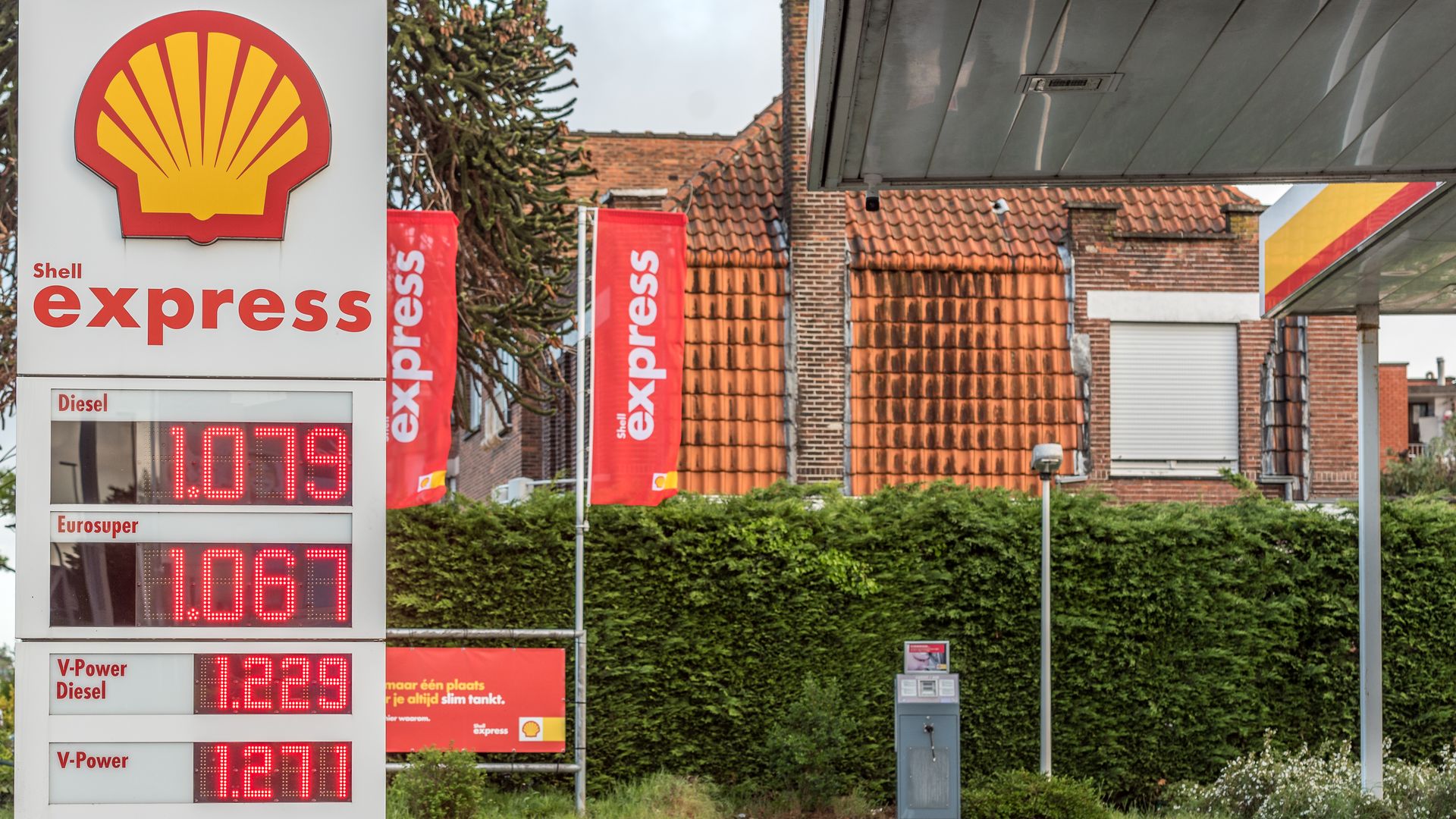
Royal Dutch Shell said this morning that it plans to write down the value of its assets by up to $22 billion as the pandemic lowers its oil and natural gas price forecasts.
The big picture: The warning about its upcoming second-quarter financial report follows BP's mid-June announcement that it would write down as much as $17.5 billion on its assets, and signaled that some of its oil discoveries will never be developed.
The Trump administration is expected to weigh in on a lawsuit in the next couple of months that questions the legality of eminent domain to build a natural-gas pipeline, following a request from the Supreme Court on Monday. The justices will then decide whether to review it.
The big picture: The dispute, over a 120-mile pipeline from Pennsylvania to New Jersey, is one of three high-court battles that represent the culmination of fights over fossil-fuel infrastructure of all kinds that have raged over the past decade as a proxy for a broader debate about climate change and energy.
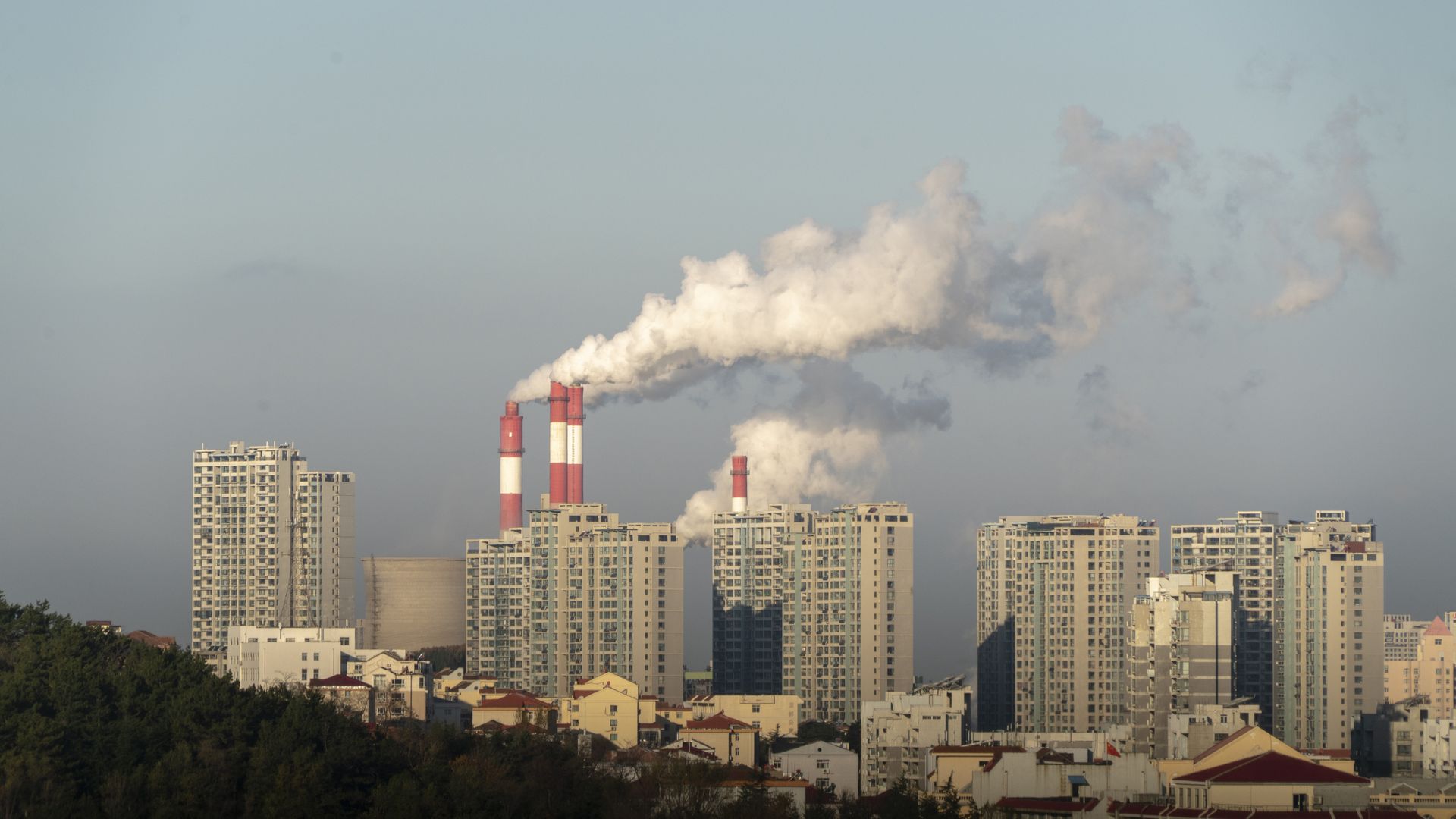
Carbon dioxide emissions from China have "surged back from the coronavirus lockdown" last month, exceeding their level from May 2019, a new analysis shows.
Why it matters: China is by far the world's largest source of greenhouse gas emissions. Its trajectory in the coming years and decades will play a key role in global efforts to rein in — or fail to rein in — heat-trapping emissions.
House Democrats' climate change committee is slated to unveil a detailed, wide-ranging set of proposals Tuesday at an event featuring Speaker Nancy Pelosi.
Why it matters: It's a preview of policies Democrats could try to advance if they control the White House and Senate after the 2020 election, which could open a political window to move climate legislation.
BP announced Monday a deal to sell its petrochemicals division to the U.K.-based multinational chemical company Ineos in a $5 billion transaction.
Why it matters: It's the latest move in the oil-and-gas giant's strategic overhaul, which includes selling its Alaskan assets and a pledge to reorient its business around low-carbon goals — a transition that will unfold over decades.
Nearly 70% more properties in the U.S. are at substantial risk of flooding compared to government estimates, new peer-reviewed analysis shows.
Why it matters: Increased flooding, including from sea level rise and intensifying rains, is one of the clearest and most expensive impacts from rising global temperatures.


/2020/06/29/1593454648800.gif?w=3840)