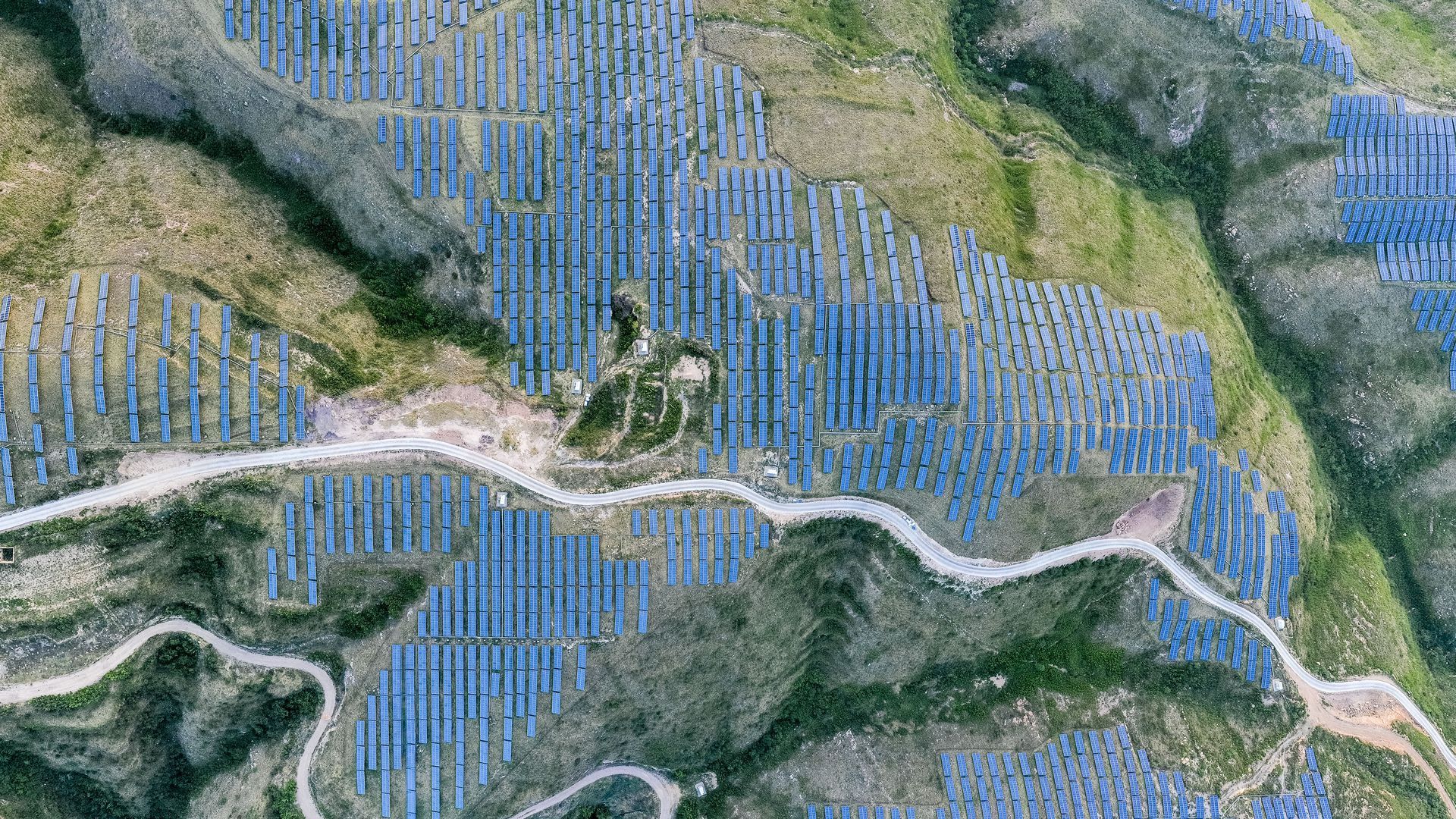
Renewables are attracting substantial investment and developers are getting more bang for the buck, but none of it is enough to be consistent with the goals of the Paris climate agreement, per a data-rich new report from the Frankfurt School, the UN and BloombergNEF.
The big picture: Last year saw 184 gigawatts of new capacity added worldwide (excluding large hydro projects) — the most ever — with solar leading the way. The 12% growth came even though total investment was flat, a sign of continued cost declines for wind and solar technologies.
Massive offshore wind farms planned for America’s East Coast are poised to move ahead after the Trump administration inched closer this week to approving the first full-scale project.
Why it matters: The Interior Department has been slow to review the project, signaling regulatory trouble for the nascent sector. Then the pandemic hit, increasing the likelihood of a broad delay.
Declining costs for renewables and battery storage could enable a nearly carbon-free U.S. electricity mix by 2035 without raising consumers' power bills, a new report argues.
Why it matters: The report's pathway for deeply decarbonizing the electricity mix is faster than what's envisioned under various state-level and power company targets.
Widespread deployment of technology that sucks CO2 out of the atmosphere will require lots of cross-border cooperation and complex judgements about nations' varying responsibilities, a peer-reviewed analysis in Nature Climate Change finds.
Why it matters: Holding global warming greatly in check will demand various methods such as bioenergy with carbon capture, direct air capture machines, and large-scale forestation.
The domestic oil sector that emerges from the pandemic-fueled price and demand collapse will be different than what preceded it. And more signs arrive every day.
Driving the news: ConocoPhillips CEO Ryan Lance, in a newly posted interview with IHS Markit's Dan Yergin, says "shale will come back."