Americans worried about human-induced climate change report wearing face masks in public in substantially higher percentages than people who are not concerned about it, per a new Morning Consult poll.
The big picture: 54% of adults who are concerned about climate and agree with the scientific consensus on human causation said they "always" wear a mask over the past month due to the coronavirus pandemic.
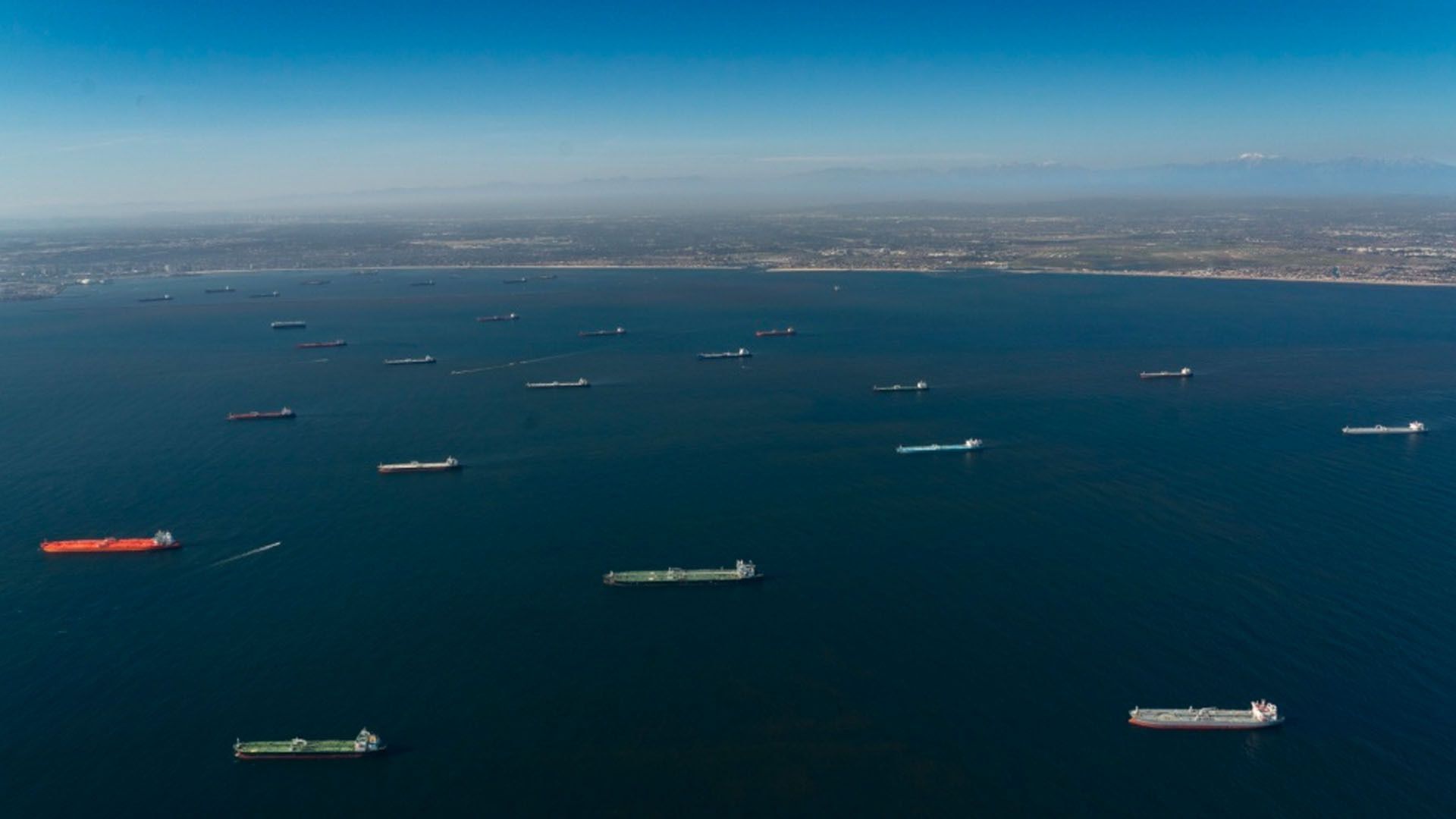
Oil tankers are parked off the California coast instead of unloading — a stark sign of the global glut now that demand has collapsed and storage is filling up.
Driving the news: There are 20 oil tankers anchored off southern California ports, with 15 that may remain for an unknown and extended period, while five are slated to offload in the next several days.
One thing that will affect post-pandemic oil demand and carbon emissions is how quickly — and how much — driving ultimately bounces back compared to other modes of moving around.
Driving the news: Rough proxy data via Apple provides early signs that driving is starting to come back in a number of U.S. cities, while light rail and bus use basically isn't (yet).
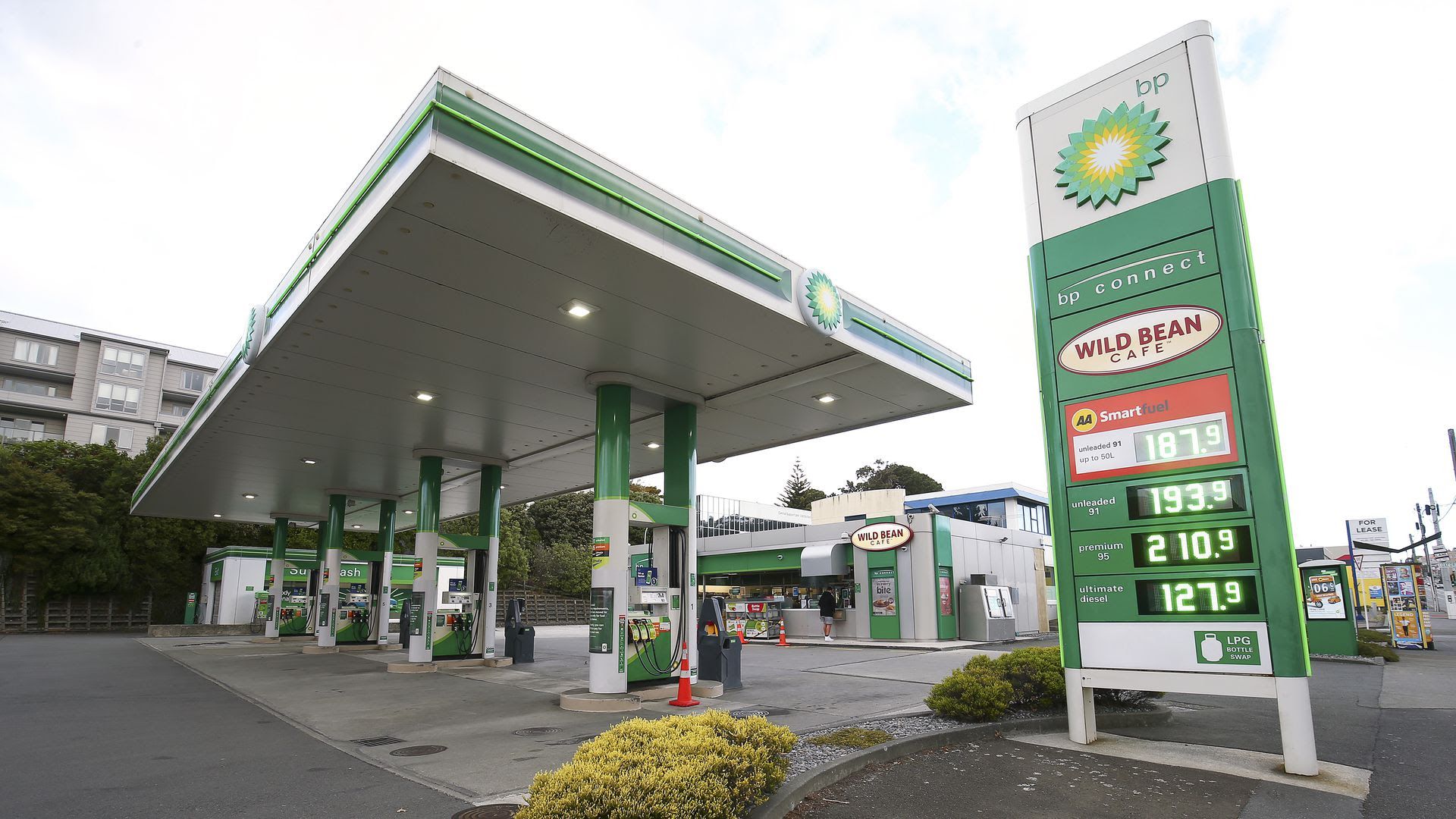
Oil-and-gas giant BP reported an extremely steep decline in quarterly profits on Tuesday in a stark sign of how the collapse in demand and prices is affecting the world's biggest producers.
Driving the news: The London-based multinational posted a quarterly profit of roughly $800 million, a two-thirds drop from $2.4 billion in the same period last year.
Duke Energy is proposing that its future electricity mix rely heavily on renewables and nuclear power to reach its 2050 goal to be carbon neutral, the utility said Tuesday.
Why it matters: As one of America’s largest utilities, Duke’s sketch of this potential future is a bellwether for how a range of companies and states hope to achieve their similarly aggressive goals in the next 30 years.
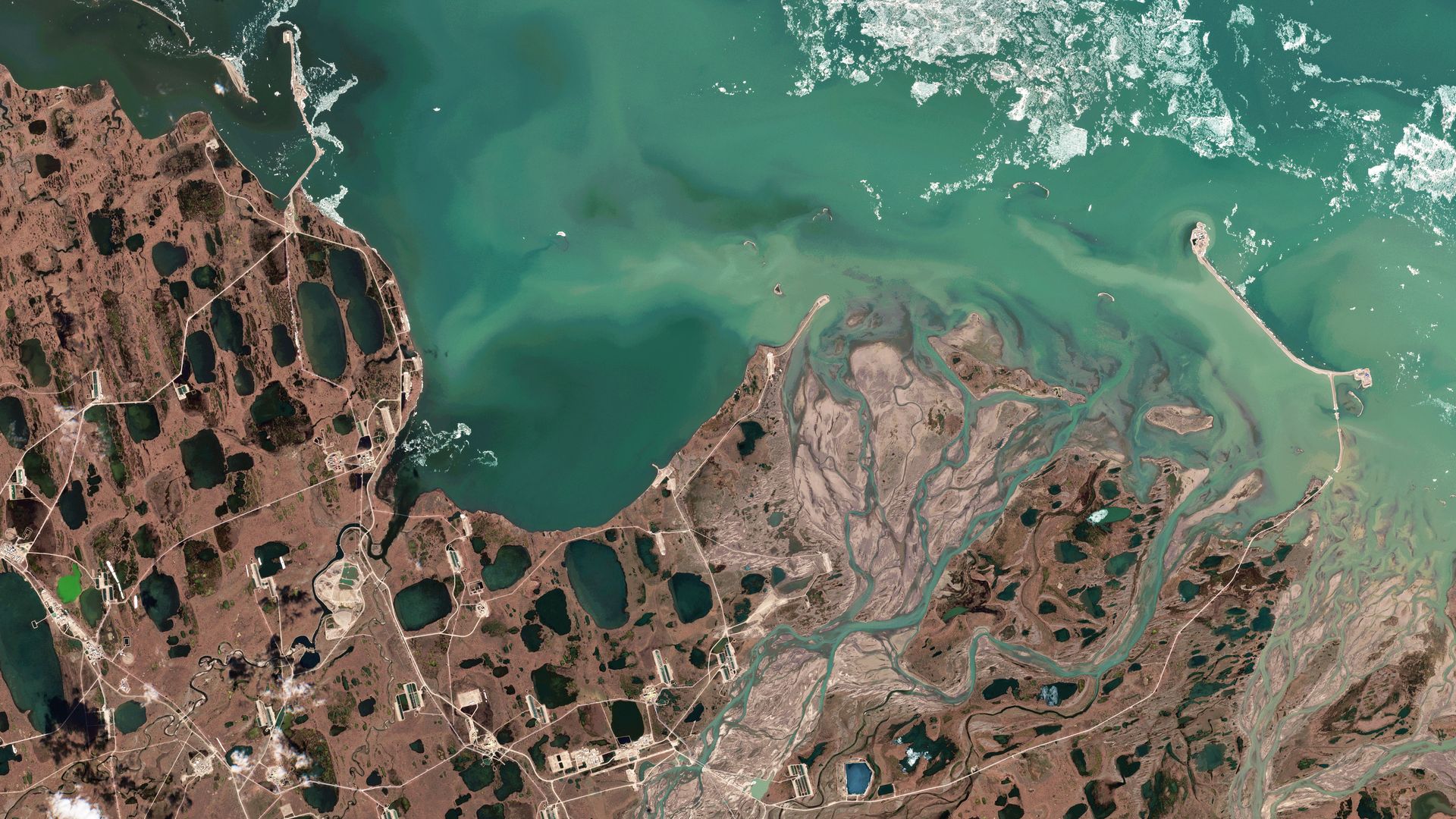
Banking giant Morgan Stanley updated its environmental policy late last week, vowing that it will not "directly finance new oil and gas exploration and development in the Arctic."
Why it matters:Per Bloomberg, they're now the fifth major U.S. bank to say they will not back drilling in the region.
European Union advisers are recommending that economic recovery measures for the coronavirus pandemic be in line with climate policy with low-carbon investments, Reuters reports.
Why it matters: It's the latest wrinkle in growing calls to orient huge financial recovery packages in Europe and elsewhere toward low-carbon industries.
Projections of deep pain in the oil sector are increasingly materializing on the ground amid the pandemic-fueled collapse in oil prices and consumption.
What's happening: The combination of years of oversupply and plunging demand means oil wells are filling up quickly.
The reports of the death of the oil industry are, to quote Mark Twain, greatly exaggerated.
Driving the news: Progressiveleaders are pouncing on the current collapse in the oil sector as a sign this is the beginning of its end and a turning point for the climate-change movement. Not so fast.







/2020/04/24/1587756684380.gif?w=3840)