JPMorgan Chase is the latest financial giant to unveil new climate commitments, and like its peers, it is hard to disentangle how much is motivated by pressure, conscience or making a virtue of necessity.
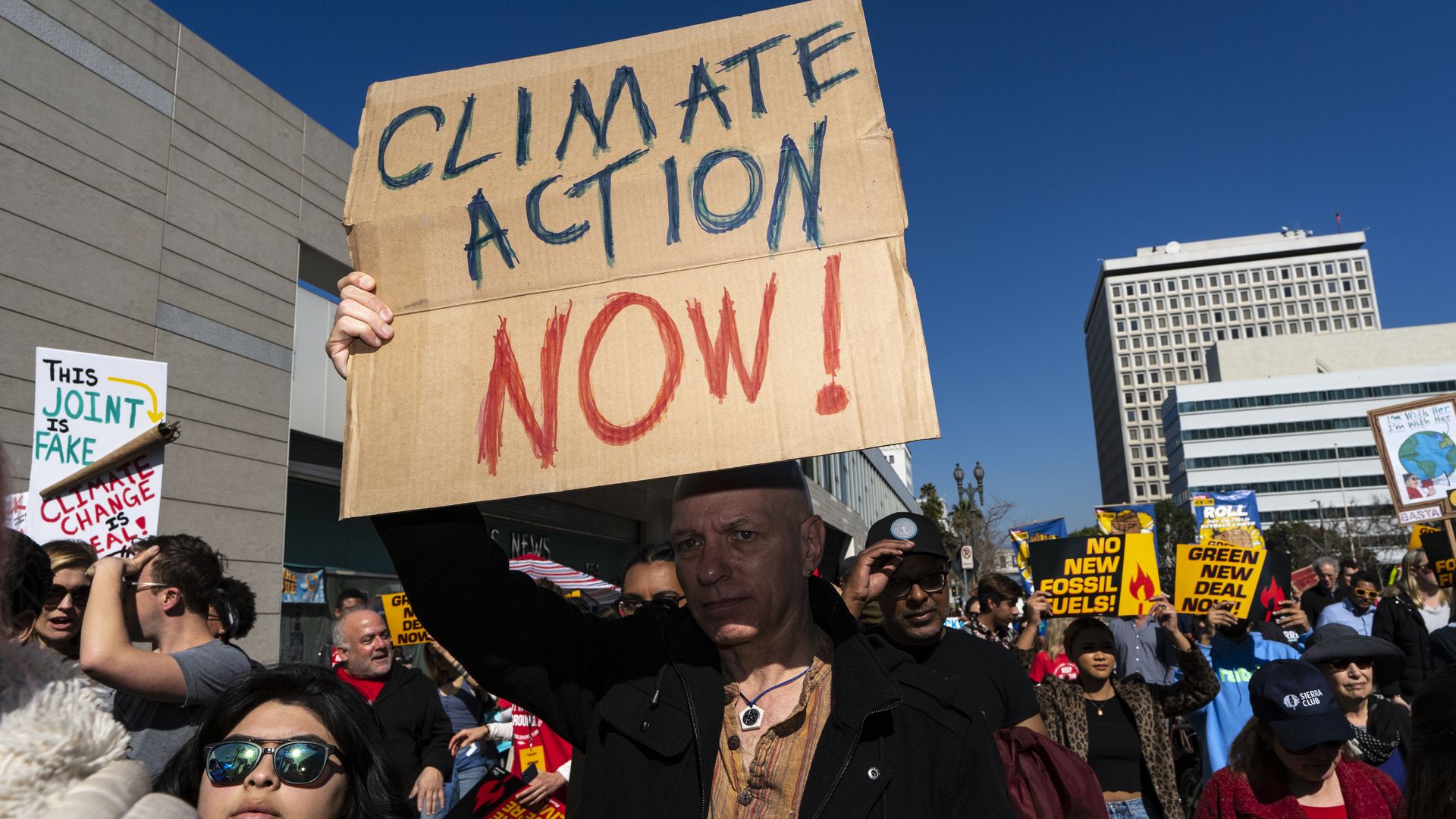
Why it matters: The move comes as grassroots and shareholder activists are targeting the financial sector's fossil energy finance, especially amid federal inaction on climate.
Over one-third of registered voters consider climate change a crisis and 59% say the Trump administration is doing too little to address it, a Brunswick Group survey released Tuesday shows.
Why it matters: The datareleased Tuesday arrives as climate is playing a more prominent role in the 2020 election cycle — and the policy stakes are high.
JPMorgan Chase said Monday that it won’t directly finance new oil and gas development in the Arctic and will significantly curtail its financing of the extraction and burning of coal.
Why it matters: JPMorgan is the world’s largest funder of fossil-fuel companies, according to a report by the Rainforest Action Network (RAN). The announcement follows similar moves by other big banks and investment firms, including Goldman Sachs and BlackRock.
The chart above shows how the share of federal spending on energy research and development has largely declined over decades.
Driving the news: It's one of the data points in a report last week urging Congress to greatly expand the federal programs that help develop and commercialize climate-friendly tech.
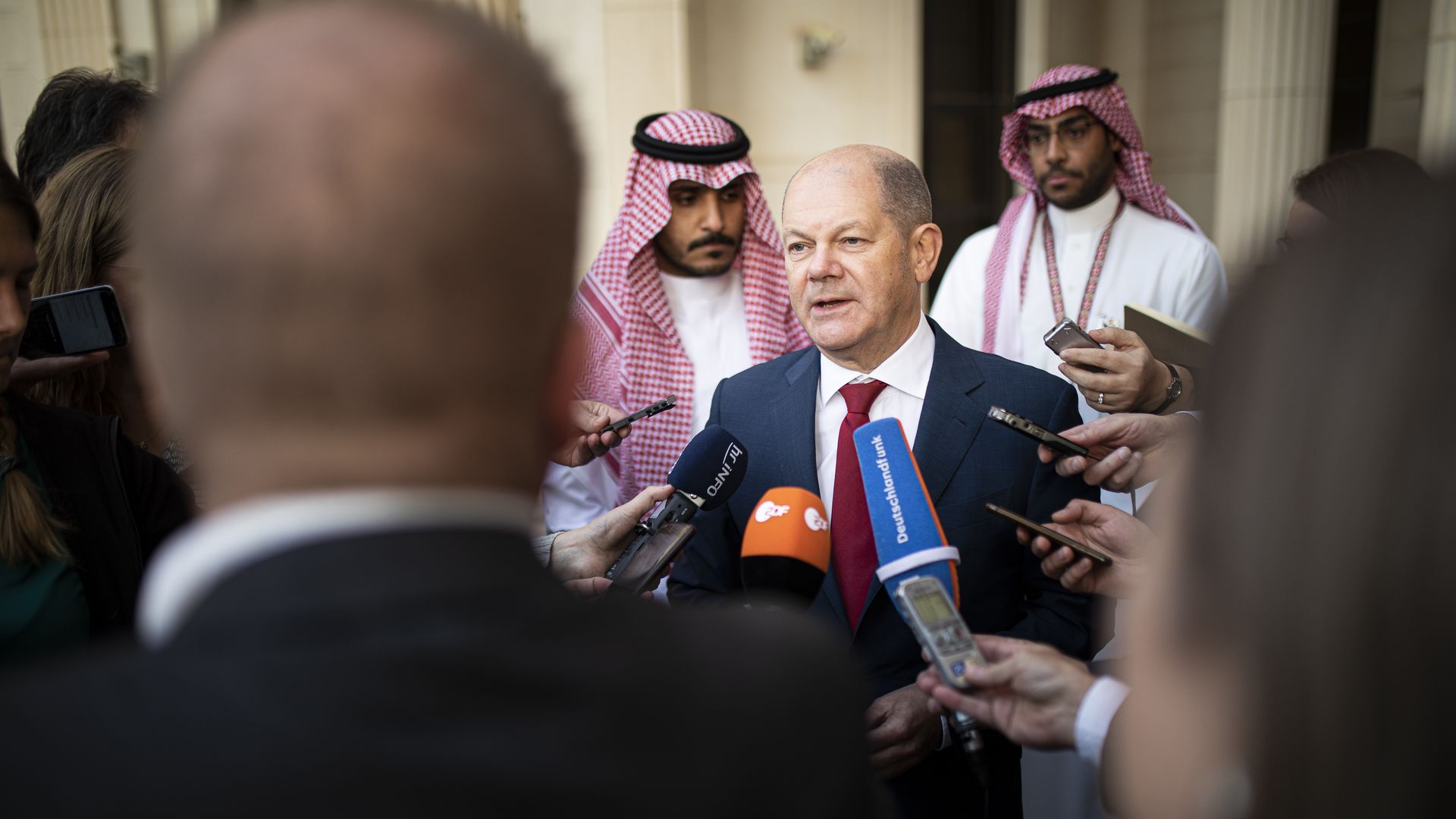
The closing memo from the G20 finance ministers' weekend meeting points out that the multilateral Financial Stability Board is "examining the financial stability implications of climate change."
Why it matters: The brief shout-out is the first time that G20 finance officials have referenced climate in a joint communique during the Trump administration, Reuters reports.
Trump administration officials face headwinds as they seek agreements to export more U.S. liquefied natural gas to India, the Wall Street Journal reports.
Where it stands: Buyers are wary of long-term deals and instead are increasingly turning to the more flexible spot markets to find cheaper supplies.
Swing voters in four battleground states decisively oppose President Trump's sweeping rollbacks of environmental regulations — but it's unlikely to sway their votes.
Why it matters: It's voters living in states like these, including Florida and Pennsylvania, who fill pivotal roles electing America's presidents, so we should listen.