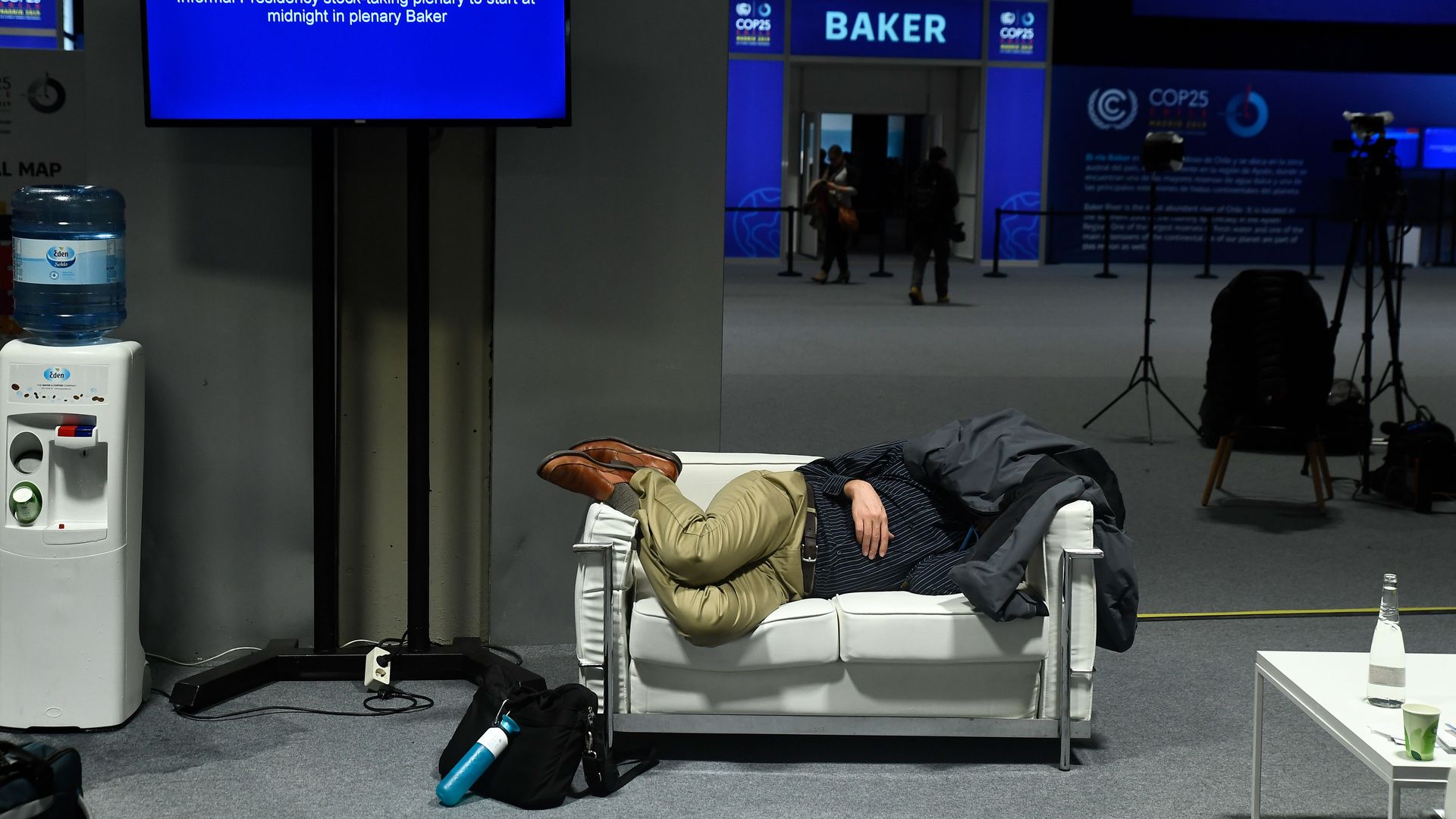
The UN’s annual climate conference ended in failure yesterday, with big decisions on how to slow the relentless rise of global temperatures pushed off to 2020 and beyond.
Why it matters: World leaders gathering at global forums like the UN often frame climate change in existential terms. But their views of what remedies are necessary and fair tend to be colored by their own national interests.
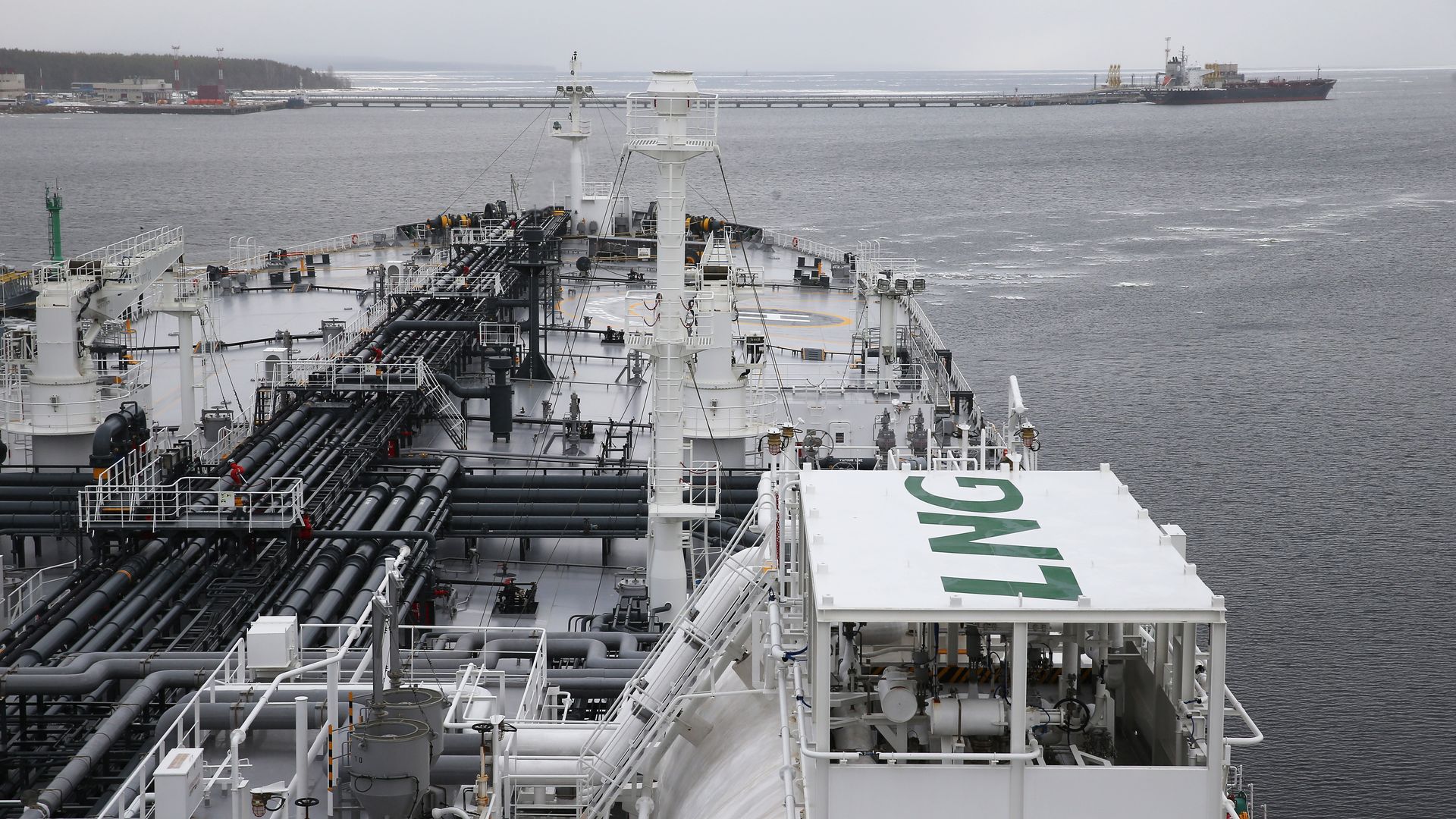
Goldman Sachs says it won't directly finance Arctic oil-and-gas exploration, new coal-fired power plants (unless they trap carbon), or new mines for coal used in electricity.
The big picture: Those are three big pieces of the banking giant's revised climate policies unveiled over the weekend.
The presidential campaign trail isn’t the only place where 80 years old is becoming more common.
Driving the news: Operators of up to 20% of America’s nuclear reactors are seeking federal approval to run reactors for an unprecedented 80 years. The trend helps combat climate change — but it's also raising serious safety concerns.
Extended United Nations climate talks ended early Sunday with a modest agreement that punts key decisions and, activists argue, fails to reflect the urgency needed to confront the problem.
Why it matters: The latest round of annual UN negotiations in Madrid, which ended two days after Friday's scheduled close, are the last before nations are slated to offer revised emissions-cutting pledges next year under the Paris Climate Agreement.
Negotiations at COP25, the 25th United Nations Climate Change conference, continued into the night Saturday as "major economies resisted calls for bolder climate commitments," Reuters reports from the Madrid summit.
Our thought bubble, per Axios' Ben Geman: This impasse shows how hard it's proving to transform the Paris climate agreement's vision into more concrete steps. It comes as the harms of the changing climate become more apparent in the present.