Why it matters: President Trump is facing what the paper has branded a "rural rebellion," necessitating this latest twist in a never-ending battle over America's ethanol mandate. The president is stuck between two allies — agriculture and oil interests — feuding with each other.
BP said Friday that Bernard Looney, head of the company's oil-and-gas exploration and production unit, will take over as CEO in early February.
Why it matters: It adds clarity to the oil giant's succession plans after word emerged recently that current CEO Bob Dudley, 64, is readying to step down after a decade in the role.
Energy Secretary Rick Perry is preparing to step down by the end of the year, per several reports Thursday night citing anonymous sources familiar with his plans.
Why it matters: Perry has served far longer than many officials in President Trump's Cabinet and avoided the kinds of controversies that forced out ex-EPA chief Scott Pruitt and former Interior Secretary Ryan Zinke.
Electric scooter rental company Bird today announced $275 million in Series D funding at what we hear was a $2.5 billion pre-money valuation. CDPQ and Sequoia Capital co-led the round.
The bottom line: E-scooter companies are simultaneously working to curb losses, curry favor with city regulators, and convince investors they're the next great transportation revolution.
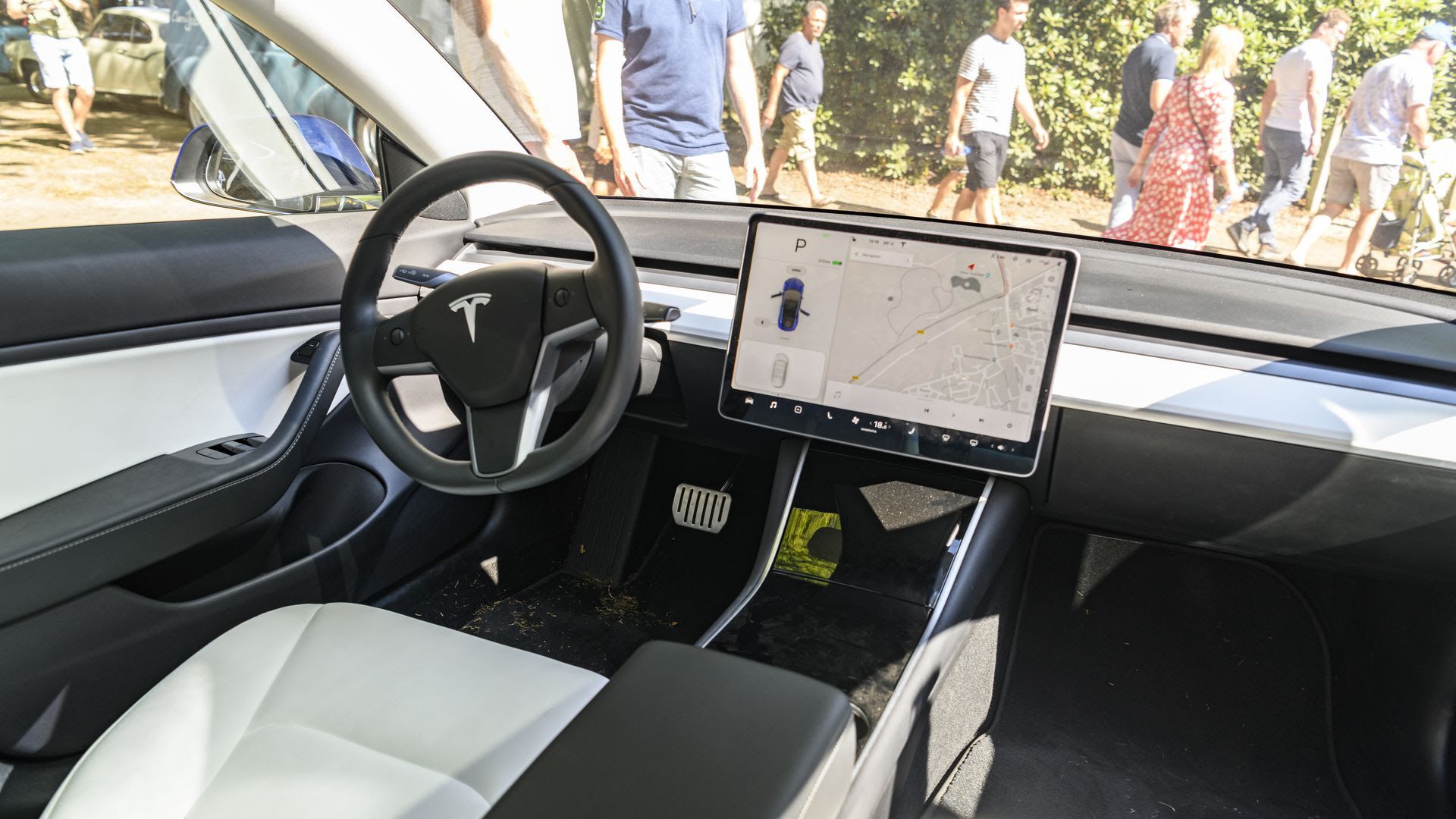
Tesla delivered a record 97,000 vehicles last quarter but nonetheless fell short of some analysts' expectations for the July–September stretch.
Why it matters: The electric automaker's stock tumbled roughly 6% in after-hours trading following Wednesday's announcement, and is currently down around 5%.
Led by wind and solar, renewable energy will make up nearly 50% of global electricity within the next 30 years, up from today’s 28%, according to new data from the U.S. Energy Information Administration.
Yes, but ... The data also finds that carbon dioxide emissions will keep rising over that same time period, underscoring a stubborn, inconvenient fact: To tackle climate change, you need to address the emissions from oil, natural gas and coal, not just rapidly increase renewables.
The tendency for Washington policymakers to not accept mainstream climate science is growing inside echo chambers and under President Trump, according to a new peer-reviewed study.
Why it matters: The research adds some quantitative heft to the notion that Trump, who regularly dismisses and mocks climate change, is having a tangible impact among America’s most influential policy experts working inside the beltway of Washington, D.C.








/2019/10/03/1570108252185.gif?w=3840)