Friday's energy & climate stories

Oil markets’ shaky march toward balance could be derailed
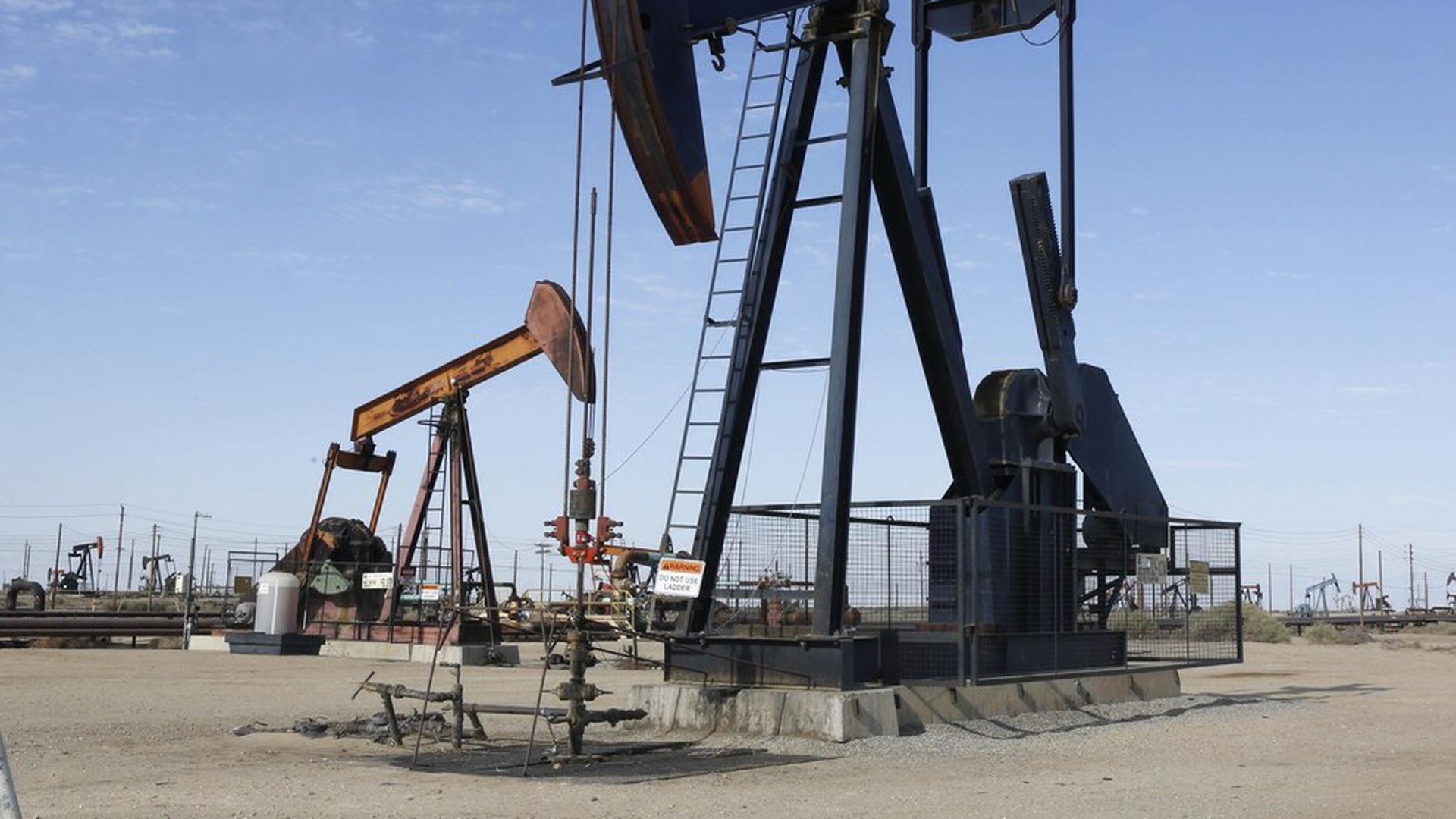
Oversaturated global oil markets are on a fragile path toward emerging from the supply-demand imbalance that has depressed prices, but that progress is at risk of unraveling as OPEC's compliance with production-limiting targets declines, the International Energy Agency said Friday:
"There would be more confidence that re-balancing is here to stay if some producers party to the output agreements were not, just as they are gaining the upper hand, showing signs of weakening their resolve."
Why it matters: The persistence of the worldwide supply glut that keeps prices at middling levels has created problems for oil-reliant Persian Gulf economies, and affects the output rate and bottom line of U.S. producers, who are forecast to drive production to new records next year.

Climate change is transforming Europe's floods
/2017/12/15/1513304760547.gif?w=3840)
A massive survey of European waters has found that across the continent, climate change has caused flood times to shift — sometimes by several weeks.
Why it matters: Major shifts in flooding could have big impacts for local water management. "It opens up a lot of questions about how these changes in flood timing could interact with other kinds of processes that impact people," Anna Michalak, an earth scientist at the Carnegie Institution for Science in Stanford who was not involved in the study tells Axios. "Societies and ecosystems have adapted to the average within-year timing of floods. We're used to them coming at a certain time of year, and our land management practices have evolved to respond to that."

Musk's strategy may be self-driving, electric semi-truck caravans
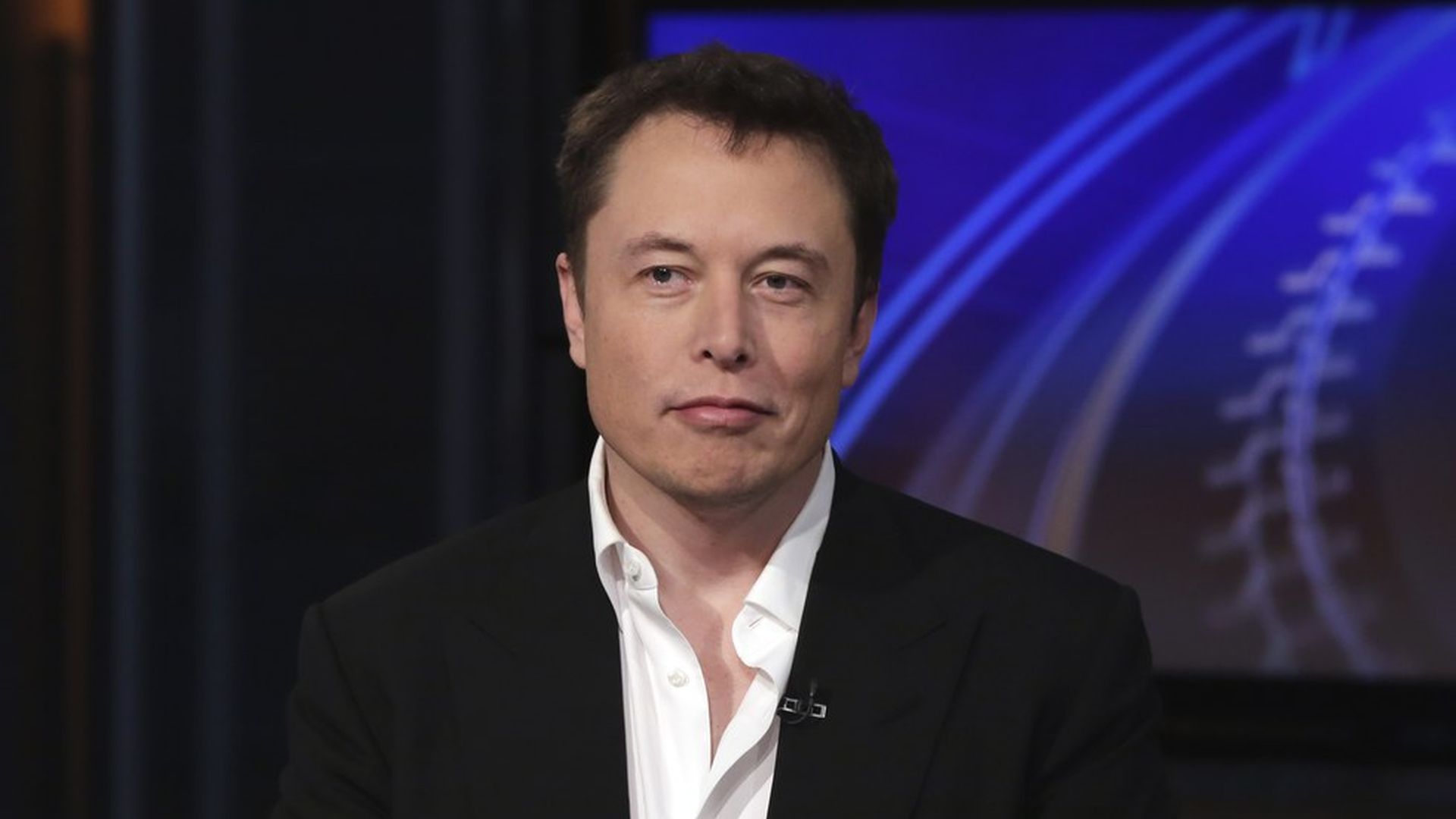
Tesla has asked state government permission to test-drive a caravan of electric, autonomously driven semi-trucks in Nevada, per Reuters' Marc Vartabedian.
CEO Elon Musk had already said he would unveil an electric semi-truck in September, and the new details help to fill in his possible thinking about the economics for a vehicle that would require a colossal battery: Researchers consulted by Axios in April estimated that the battery for a semi-truck would weigh three tons and cost about $70,000.
That could be prohibitive when you add in the pricetag for the semi-truck itself (the estimated cost for first-generation self-driving cars is about $300,000, so a truck would be much more), but a truck fleet company would be able to more easily absorb the expense if drivers were not necessary.
What it means: Since autonomous technology is not yet ready, and may not be until the 2030s, Tesla's idea may be to have a human-driven truck as the lead vehicle, and a caravan of semis behind, each programmed simply to follow the one in front of it, with no humans inside.