Colorado transportation plan adds $3.8B in new fees to improve roads and rail

Add Axios as your preferred source to
see more of our stories on Google.
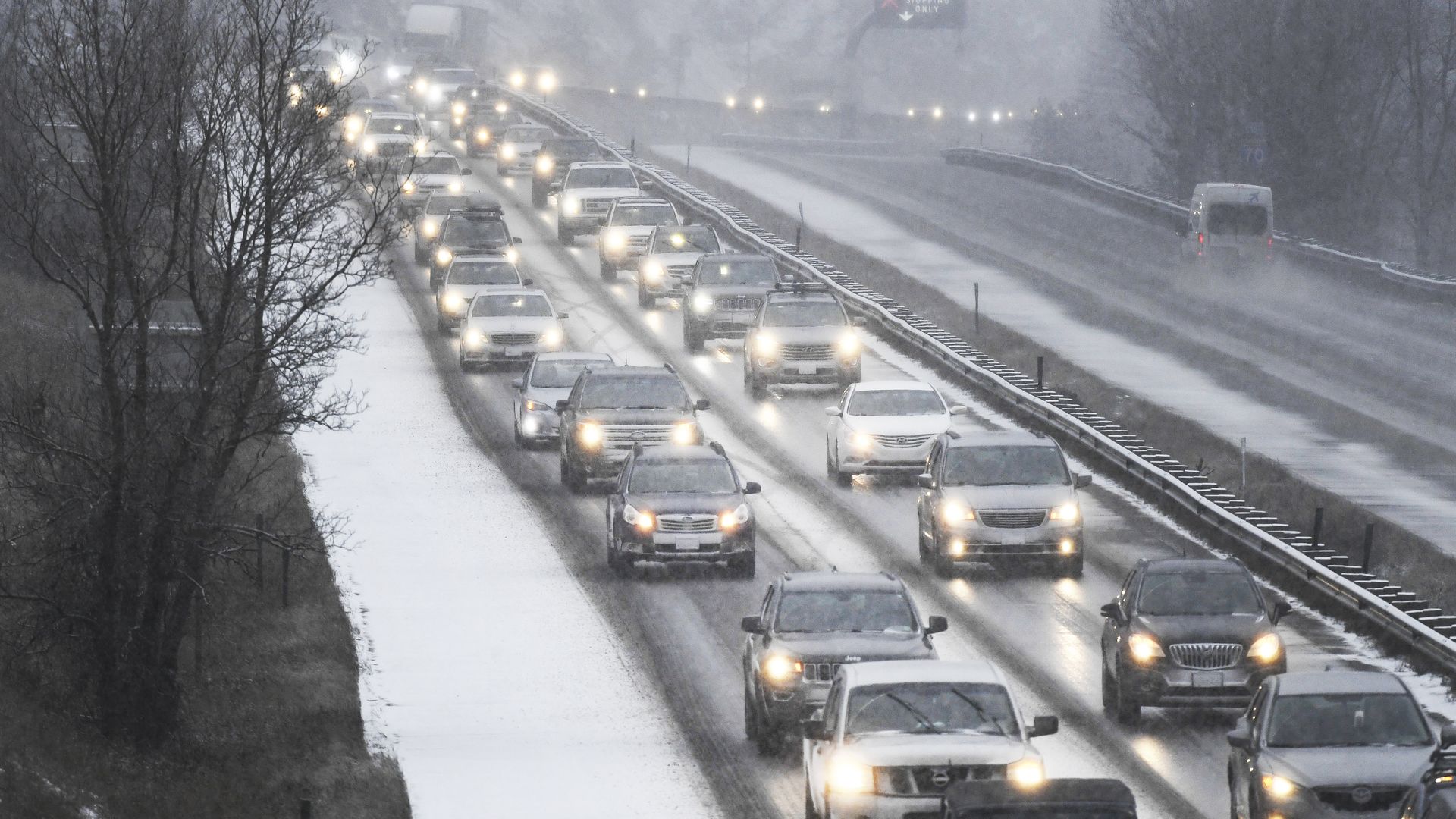
Interstate 70 traffic. Photo: Andy Cross/The Denver Post via Getty Images
Colorado residents would pay more fees on gasoline, grocery deliveries, ride-sharing services and electric vehicles as part of legislation that generates $5.3 billion for the state's roads, rails and transit over the next 10 years.
Why it matters: The 197-page measure, unveiled Tuesday by Gov. Jared Polis and Democratic lawmakers, seeks to overhaul how the state spends money on its transportation system.
- The $3.8 billion in fees are designed to replace stagnant gas tax revenues that left the state's roads congested and crumbling.
- "For the first time, we are introducing something that isn't just a Band-Aid," said Senate Majority Leader Steve Fenberg (D-Boulder).
The big picture: Supporters called the legislation a path forward through the political impasse that thwarted prior efforts to inject money into roads through bonds and new taxes.
- In Colorado, tax hikes must go to the ballot box, but some new fees do not require voter approval.
- One Republican lawmaker is sponsoring the bill, but others are expected to object to using fees rather than the billions available from a state surplus and the federal stimulus.
Context: The Polis administration's 10-year transportation plan identified $3.5 billion in needs, with the initial $1.6 billion covered by existing dollars, according to the state.
- The price tag is higher when local road projects are added to the tally.
What's new: The fees included in the legislation are designed to "spread the burden," supporters said.
- A new fee on gas and diesel fuel that eventually increases to 8 cents.
- A 27-cent fee on deliveries.
- A 30-cent fee on ride shares, reduced to 15 cents for electric vehicles, both of which increase over time.
- An increase in assessments on electric vehicles by at least $96 and $22 for hybrids.
Yes, but: The legislation temporarily lowers annual vehicle registrations by $5.55 in 2022 and 2023.
- In addition, the state would contribute $1.5 billion from existing tax revenues and federal stimulus money.
What they're saying: "It's only right that the users of our highways are the ones that shoulder a substantial portion of the cost," said Colorado Springs Mayor John Suthers, a Republican.
Of note: The projects that top the state's priority list include expanding I-70 westbound and I-25 between Denver and Colorado Springs.
- The Eisenhower Tunnel needs significant safety upgrades.
- $2.5 million would get set aside for Front Range rail expansion.
The other side: Two conservative organizations, including Americans for Prosperity Colorado, plan to take a measure to the 2022 ballot to reduce the existing 22-cent gas tax to lessen the blow from the new fees.
- "Coloradans, their families, and their businesses cannot possibly shoulder another financial burden after the pandemic," said AFP state director Jesse Mallory.