Photo: Eva Marie Uzcategui/AFP via Getty Images

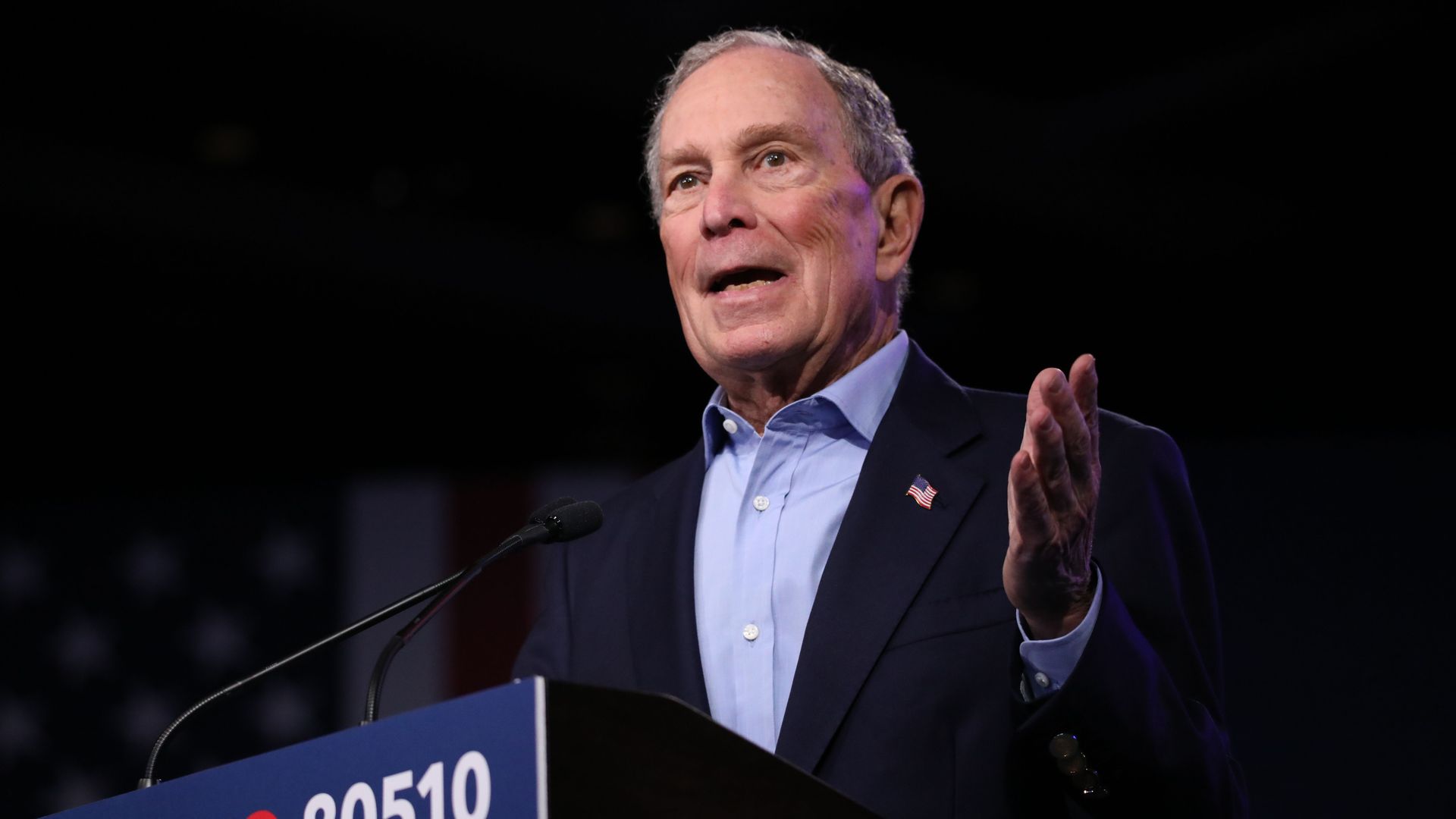
Billionaire Michael Bloomberg has raised over $16 million to help felons pay outstanding fines and fees to regain their voting rights in Florida.

The big picture: A 2018 state constitutional amendment in Florida allows for felons who have completed their sentences to regain their right to vote — so long as they've also paid back any outstanding fines, fees or restitution.

  • Bloomberg's fundraising, in addition to $5 million from the Florida Rights Restoration Coalition, has now paid off monetary obligations for 32,000 felons in Florida just before Election Day.
  • Voters who were already registered to vote, Black or Latino, and had fines and fees of less than $1500 were eligible for the payback initiative.

What they're saying: "The right to vote is fundamental to our democracy and no American should be denied that right," Bloomberg said via a spokesperson.

  • "Working together with the Florida Rights Restoration Coalition, we are determined to end disenfranchisement and the discrimination that has always driven it."

Go deeper

Oct 27, 2020 - Health

Florida's plan to import drugs from Canada hits setback

Florida Gov. Ron DeSantis waves to supporters during a rally for President Trump last week. Photo: Jonathan Bachman/Getty Images

Florida's $30 million contract to set up and operate a drug importation program didn't attract any private firms by its September deadline, Kaiser Health News reports.

Why it matters: The lack of vendor interest delays Florida's attempt to become the first state to import some drugs from Canada under recently finalized federal rules.

17 mins ago - World

Germany goes back into lockdown

Photo: Fabrizio Bensch/Pool/AFP via Getty Images

German Chancellor Angela Merkel will enact one of Europe's strictest coronavirus lockdowns since spring, closing bars and restaurants nationwide for most of November, Reuters reports.

Why it matters: Germany is the latest European country to reimpose some form of lockdown measures amid a surge in cases across the continent.

How overhyping became an election meddling tool

Illustration: Annelise Capossela/Axios

As online platforms and intelligence officials get more sophisticated about detecting and stamping out election meddling campaigns, bad actors are increasingly seeing the appeal of instead exaggerating their own interference capabilities to shake Americans' confidence in democracy.

Why it matters: It doesn't take a sophisticated operation to sow seeds of doubt in an already fractious and factionalized U.S. Russia proved that in 2016, and fresh schemes aimed at the 2020 election may already be proving it anew.