Trump prepares new round of tariffs on China, other U.S. trading partners

Add Axios as your preferred source to
see more of our stories on Google.
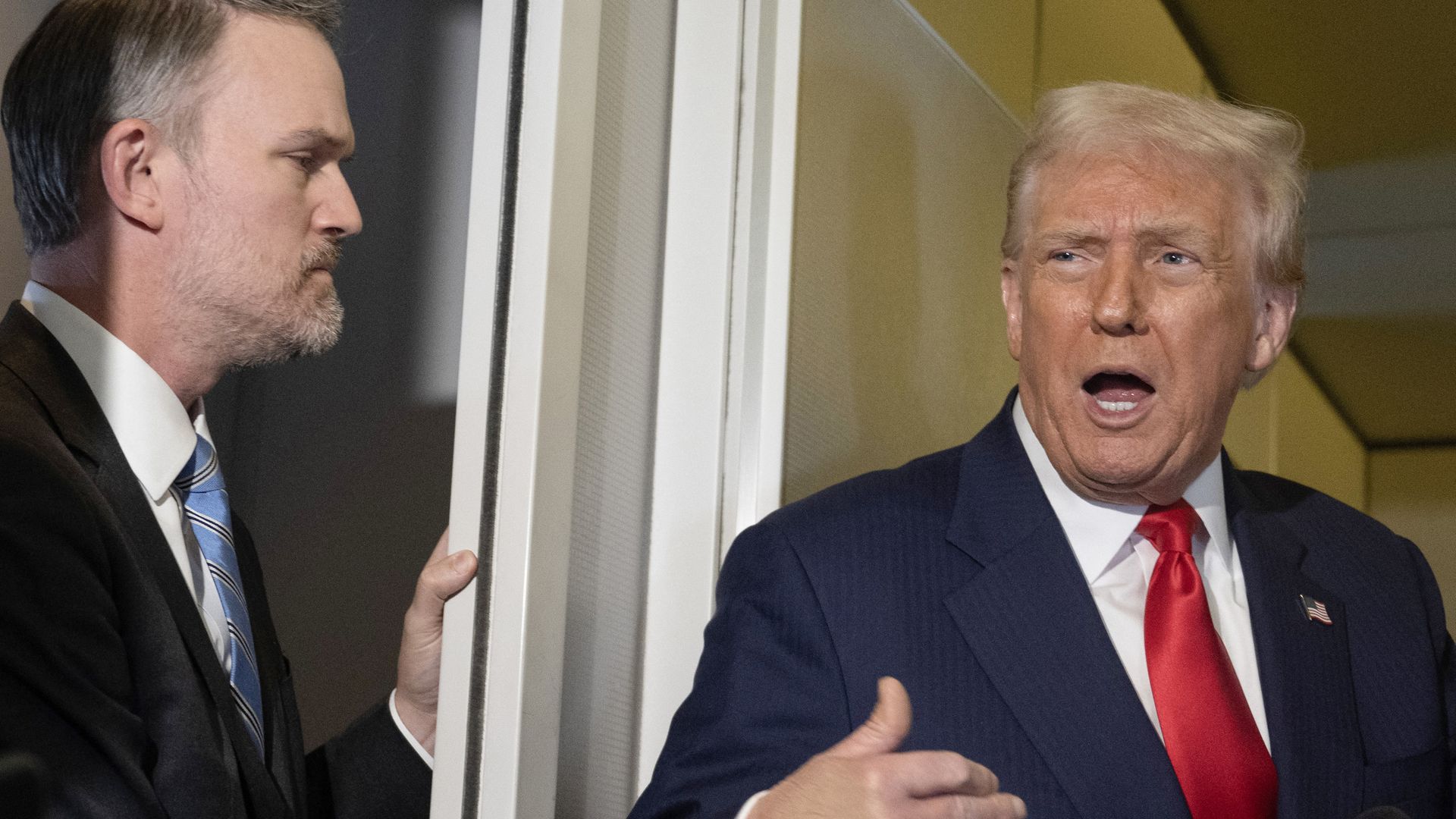
U.S. Trade Representative Jamieson Greer and President Trump speak to reporters aboard Air Force One. Photo: Andrew Caballero-Reynolds/AFP via Getty Images
The Trump administration proposed a new round of tariffs targeting China, the European Union and 12 other economies over policies it says have created excess industrial capacity.
Why it matters: Trump officials are pressing ahead with his trade agenda despite a Democratic midterm sweep fueled by affordability concerns.
- Post-election polling indicates voters overwhelmingly want tariffs to stay at current levels or decline. There's relatively little support — even among Trump's base — for them rising.
Driving the news: The tariffs are the result of a trade investigation that launched in March,
- The proposed tariffs largely target specific goods, a narrower approach than the sweeping import levies the administration has previously imposed.
- China is the exception: The proposed 20% tariff would apply to most Chinese imports, with that rate calibrated to preserve the nations' trade truce.
- These new tariffs would not be added to existing ones aimed at combating forced labor or certain sector-specific tariffs, a senior U.S. official said.
- The official added that the rate could rise to 40% if trade talks break down or China fails to live up to its commitments.
Between the lines: The proposed tariff rates for other major trading partners are consistent with parameters set out in trade deals, the official said.
- Trade deals struck with the EU, Japan and South Korea last year established 15% tariff rates on most goods.
- Other economies targeted include Taiwan, India, Indonesia and Vietnam.
- On average, the proposals would raise existing tariff rates on targeted trading partners by roughly 5 percentage points, the official estimated.
The big picture: The investigation was conducted under Section 301 of the Trade Act of 1974. The administration contends that foreign industrial policies encourage companies to produce more goods than global demand can absorb, undercutting U.S. manufacturers.
- The proposed tariffs are subject to a public comment period and hearings, with the levies taking effect as early as January, the official said.
What they're saying: In response to reports of the proposed tariffs, China dismissed U.S. claims of industrial overcapacity as a "false proposition" and urged Washington to preserve stable trade relations.
- The prospect of renewed tariffs weighed on global stocks, particularly Asian markets, overnight.
- U.S. futures were sharply lower early Wednesday as well.
Of note: The U.S. is also proposing tougher trade measures against Brazil, after imposing 25% tariffs in July over alleged unfair trade practices amid tensions between Trump and Brazilian President Luiz Inácio Lula da Silva.
- The administration proposes raising tariffs on sugar imports exceeding existing quotas (regardless of origin) and imposing a 10% levy on previously exempt Brazilian aircraft, a U.S. official said.
The bottom line: Trump's tariff agenda is moving forward as Democrats in the incoming Congress look to curb presidential authority over trade policy and lower Americans' costs.
