Trump's veto power will be Democrats' next hurdle

Add Axios as your preferred source to
see more of our stories on Google.
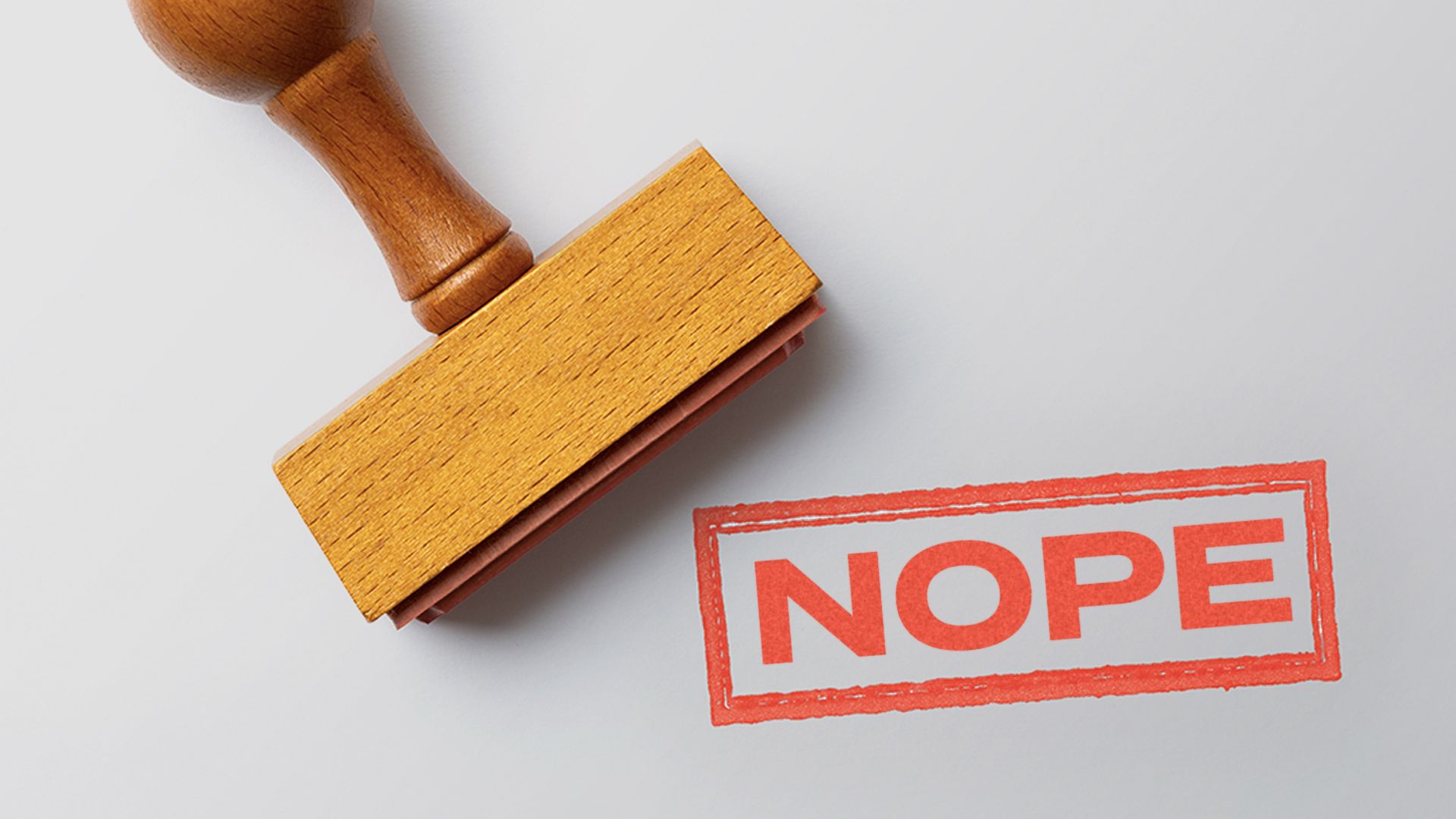
Illustration: Natalie Peeples/Axios
Democrats will charge into January with a sweeping mandate — but as President Trump has repeatedly noted, his veto power can deliver a robust roadblock to his opponents' agenda.
Why it matters: Democrats may be forced to compromise to get legislative priorities through. Trump will have to decide how frequently he'll use the power — and whether he'll strike down bills popular among Americans.
State of play: Democrats have secured 54 seats in the upcoming Senate, per the AP's projections, and are leading in two tight races in Mississippi and Alaska that have yet to be called.
- In the House, they've won 254, per AP, with several race calls still to come.
- Neither majority will be large enough to cross the two-thirds threshold Democrats would need to override a presidential veto on their own.
Friction point: Trump knows that — and has teased his plans to impede Democrats' progress by using the power liberally.
- On Tuesday night, as election results rolled in, Trump posted an image of a red MAGA-esque hat that read "VETO" in all caps. A similar hat was displayed on the Resolute Desk during a Thursday signing ceremony.
- Asked on Fox News how he'd work with a Democratic Congress, Trump pointed to the veto: "They're in control, but they're really not in control because they can send over, you know, 50 different great bills that they're all excited about and I send them back with a nice stamp, veto."
- White House spokeswoman Lauren Bis said in a statement provided to Axios that Trump is "willing to work with anyone to continue delivering victories for hardworking Americans."
- She added, "If Democrats choose to pursue radical left policies, they are choosing to work against the American people."
Worth noting: Lawmakers secured enough support to override a Trump veto across party lines during his first term on the National Defense Authorization Act in 2021.
Yes, but: While Trump could use veto threats to force lawmakers to negotiate or to halt legislation altogether, vetoing popular measures could benefit Democrats' messaging for 2028, when a potential trifecta in all three branches of government would let them enact their agenda with little interference.
- Responding to an image of Trump's "VETO" hat Thursday, Sen. Elizabeth Warren (D-Mass.) wrote, "If Donald Trump wants to be Mr. Veto, let's test that out. The new Democratic majority in Congress should pass bills to make life more affordable and our government less corrupt."
- But doing so will still require coalition-building on the Hill, says Jonathan Lewallen, an associate professor at the University of Tampa who has studied policy agenda-setting and veto threats.
- He highlights two key issue areas where Trump has already threatened vetoes in the first half of his administration that Democrats have pledged to tackle: defense policy and consumer protection.
Yes, but: "There may come a point in the next two years where Trump is still issuing lots of veto threats and potentially even vetoing the occasional bill, and it just becomes less effective as a strategy," Lewallen says.
- That means the administration might instead use another tactic with legislation they disagree with: quietly letting them become law automatically after 10 days without Trump's signature.
The bottom line: Reversing Trump's agenda from Capitol Hill isn't expected to be smooth sailing.
- But winning back control of both chambers isn't just about passing bills, with Dem-led investigations, hearings and subpoenas expected on the horizon.
