Trump ordered to sit for deposition in $10 billion BBC lawsuit

Add Axios as your preferred source to
see more of our stories on Google.
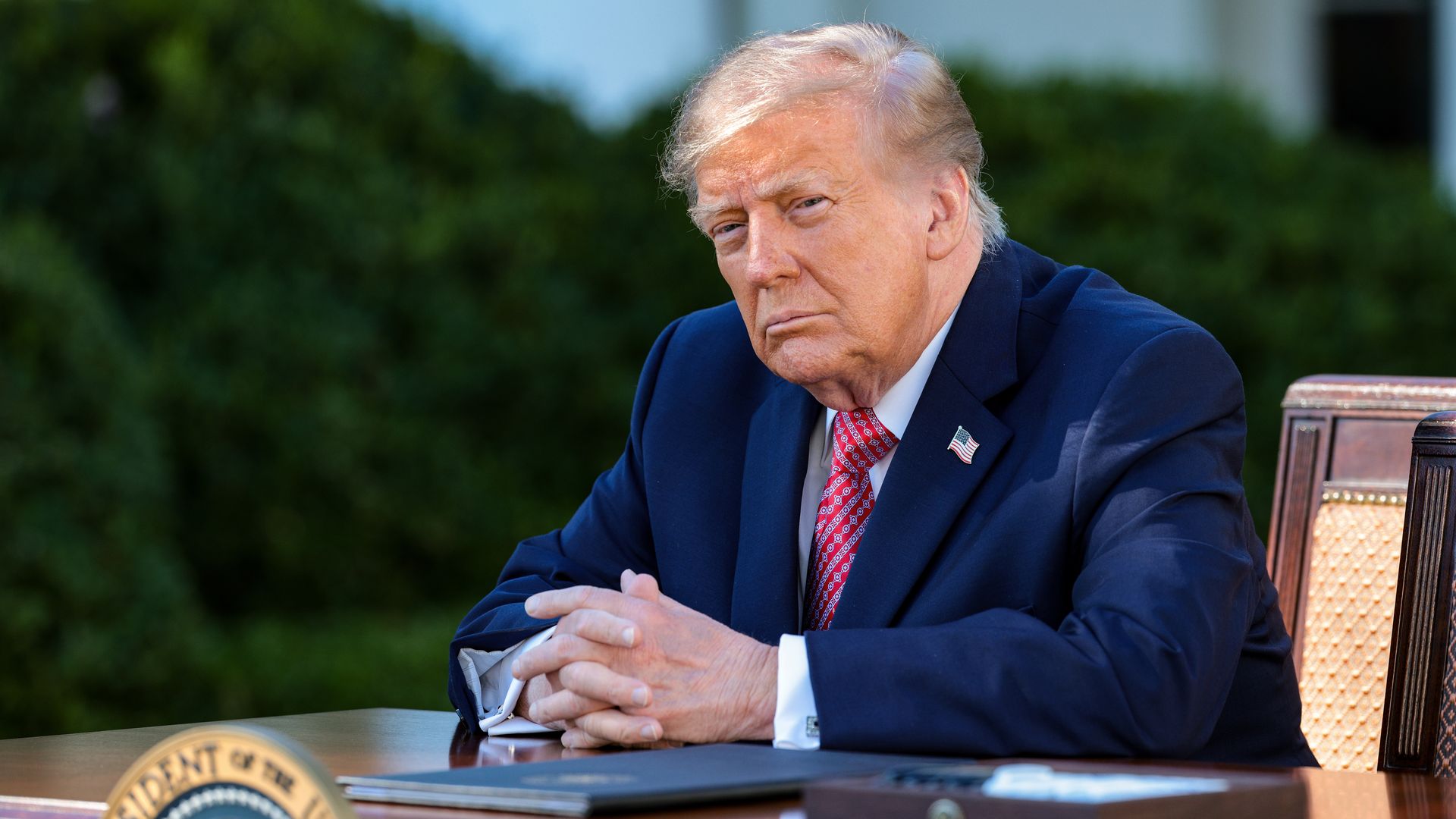
President Trump listens as first lady Melania Trump delivers remarks on Oct. 19, 2026. Photo: Chip Somodevilla/Getty Images.
A federal judge on Thursday ordered President Trump to sit for a deposition by Dec. 11 in his $10 billion defamation lawsuit against the BBC over an edit of one of his speeches that the president's lawyers say was misleading.
Why it matters: The order will likely force Trump to answer questions under oath in a legal battle he started.
Driving the news: Judge Enjoliqué Lett ordered Trump to appear by Dec. 11, after lawyers for the BBC argued that Trump is improperly delaying his appearance.
- In a filing published Wednesday, Trump's counsel said the president could appear between Jan. 11 and Jan. 22, 2027, and argued that his presidential duties prevent him from sitting for the deposition before then.
- They also allege the BBC is "wrong to claim that President Trump is avoiding his deposition in this action."
- The president was originally scheduled to appear for the deposition on Oct. 16. However, his lawyers said, that appearance was canceled because Trump had to attend to "matters that have significantly impacted the United States' national security and economy," including the wars in Iran and Ukraine and the White House Accord on Super Intelligence.
The other side: BBC attorneys say the president was campaigning in Georgia on Oct. 16, as reflected in a White House press pool report that includes his travel plans.
- The BBC argues the president chose political activity over appearing for the original deposition date.
- According to Trump's daily schedule, he attended an intelligence briefing and had executive time before departing for a rally in Georgia and then attended an RNC event in Palm Beach, Florida, that evening.
The White House referred Axios to Trump's personal counsel.
- Trump's attorneys didn't immediately respond to Axios' request for comment. The BBC's attorneys told Axios they "have nothing to add."
Catch up quick: The defamation suit stems from a documentary the BBC aired that spliced together clips from Trump's speech on Jan. 6, 2021, the day of the riots at the U.S. Capitol.
- The president claimed the edit was defamatory and demanded the BBC make amends by providing financial compensation, in addition to an apology and a retraction.
- The BBC later said in a correction note that the clips "unintentionally created the impression that we were showing a single continuous section of the speech, rather than excerpts from different points in the speech, and that this gave the mistaken impression that President Trump had made a direct call for violent action."
- Two top leaders at BBC later resigned over the backlash.
Editor's note: This is a breaking news story and will be updated.
