Bill Gates sounds the alarm on an AI transition

Add Axios as your preferred source to
see more of our stories on Google.
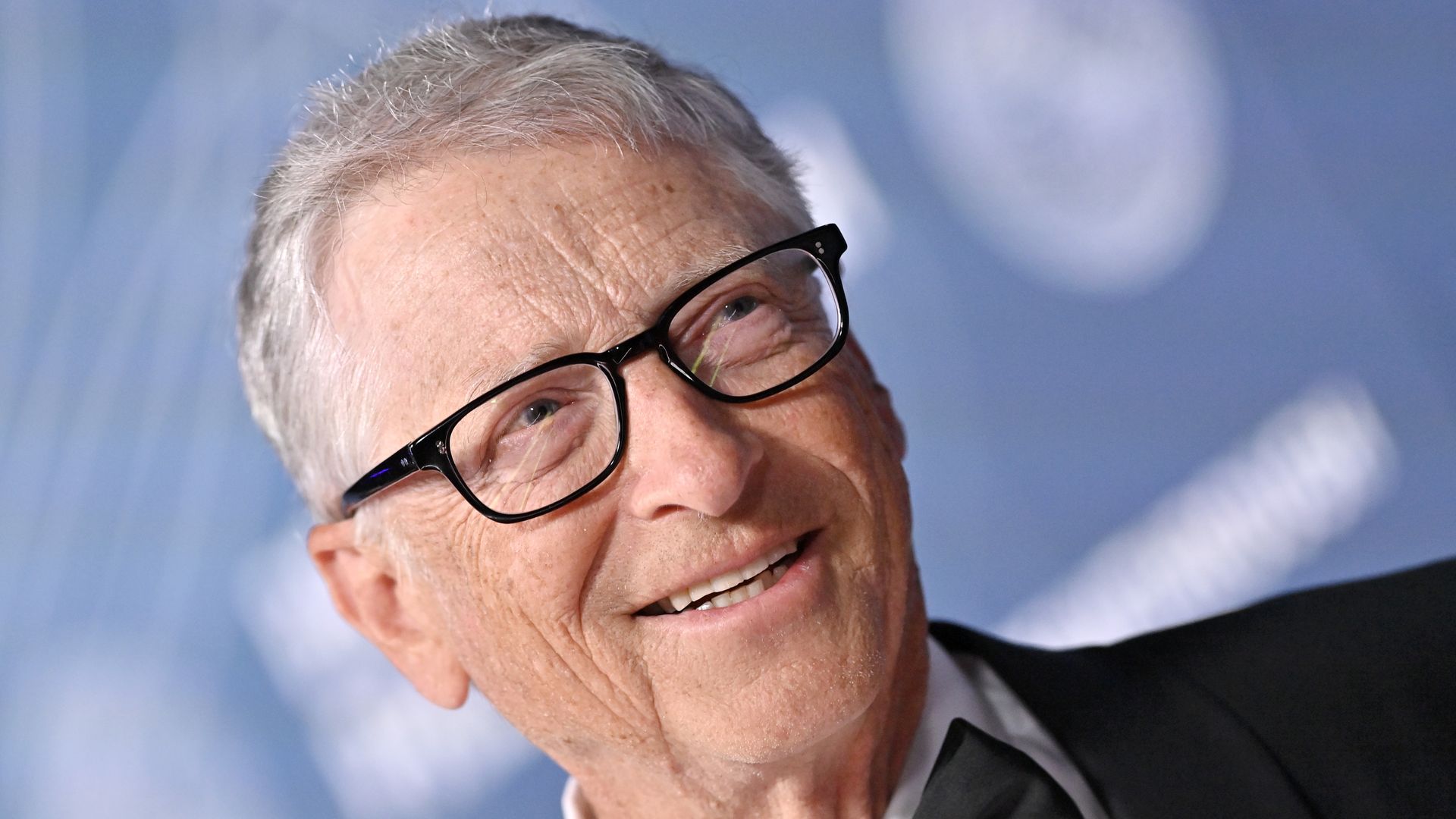
Photo: Axelle/Bauer-Griffin/FilmMagic
Bill Gates, long one of technology's leading optimists, is sounding a strikingly sober warning about artificial intelligence: The technology is advancing faster than governments and society are preparing for its consequences.
Why it matters: In a new memo out Wednesday, Gates argues AI will be more consequential than virtually any previous technological change — disrupting white- and blue-collar jobs, introducing unprecedented cyber and biological risks and potentially creating systems humans struggle to control.
In the essay, Gates argues that "AI will either be the greatest equalizer ever invented, or the worst source of injustice." Which course it takes depends on human actions being taken (or not) right now, he says.
- Even under the best circumstances, Gates says, the transition will be among the most turbulent periods in human history, and there is currently no coordinated plan for navigating it.
Between the lines: "The good stuff is moving a bit slowly, and ... other than robots, I'd say the bad stuff is imminent," Gates told Axios during an interview at his Seattle-area office.
- "On the current course and speed, there's a very high chance of a net negative outcome," he said.
- Gates criticized both U.S. political parties. "I'd say neither party is very knowledgeable or being thoughtful about this," he said.
Zoom in: Gates argues the traditional analogy to earlier technological revolutions breaks down because those transitions occurred over generations and ultimately produced new work requiring human cognition.
- AI itself can substitute for that cognition. His essay predicts disruption across law, customer service, medicine, software and manufacturing and says that without intervention there will be "far fewer" jobs than there are today.
- And things that were once thought of as years-off concerns are showing up now. Risks involving cybersecurity, biology, human relationships and AI control are "all like flashing either yellow or red."
Zoom out: Gates is calling for new national institutions capable of coordinating AI policy across areas including national security, employment, education, taxation and health — alongside an international organization with elements of nuclear inspections and international aviation regulation.
- He also wants governments to consider two unconventional economic responses: reserving some jobs for humans and taxing AI usage and robots, an idea he has floated for nearly a decade.
Reality check: Gates acknowledges that the geopolitical environment makes coordinated action exceptionally difficult.
- "If someone had a credible plan for slowing down AI advances globally, I would likely support it," he writes in the memo. "However, I don't think that's going to happen."
- In the interview, Gates said AI companies themselves are more worried than their public rhetoric can sometimes suggest, name-checking many of the leaders of the largest tech companies and AI labs.
- "I don't really know anybody who's not concerned," he said.
