Microsoft debuts Nvidia-powered Microsoft Surface Ultra laptop

Add Axios as your preferred source to
see more of our stories on Google.
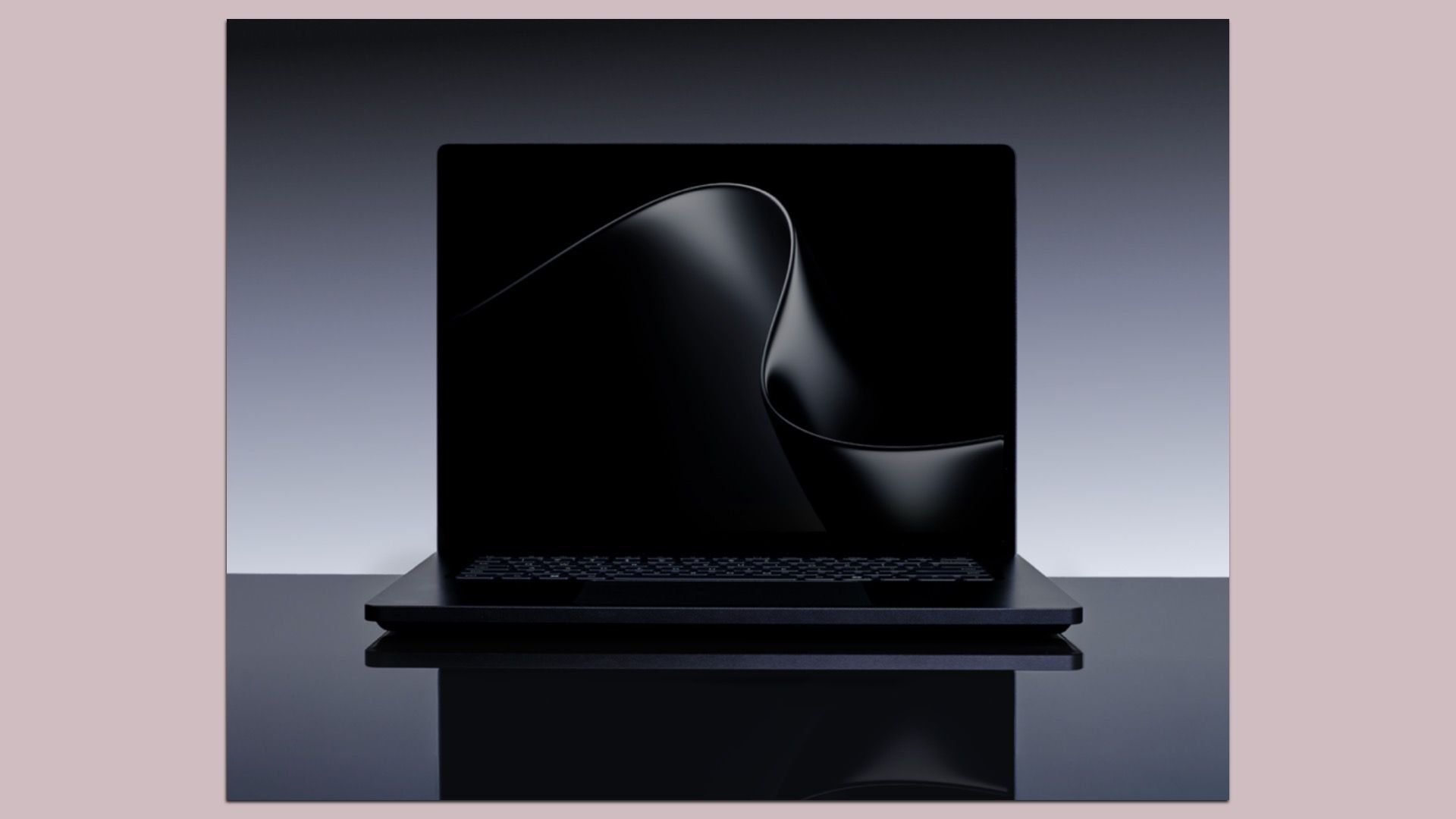
The Nvidia-powered Microsoft Surface Ultra. Image: Microsoft
Microsoft has officially unveiled the Microsoft Surface Ultra, the first full-fledged Windows PC to run on an Nvidia main processor, saying the device is "made for a kind of work that does not fit in a standard laptop."
Why it matters: The move, previously reported by Axios, puts the hottest name in chips behind Windows as Microsoft tries once again to redefine the PC for the AI era.
Driving the news: The new Microsoft Surface Laptop Ultra will be powered by the RTX Spark, a PC chip that is similar to the one that powers the Nvidia Spark line of AI desktop machines, per The Verge.
- Microsoft said the device, which has a 15-inch mini-LED touchscreen, can be outfitted with up to 128GB of unified memory and can run AI models of up to 120 billion parameters.
- Nvidia-powered Windows laptops and desktops are also coming this fall from Asus, Dell, HP and Lenovo, among others.
- Nvidia says the laptops will have screens from 14 inches to 16 inches and can be as thin as 14 millimeters.
What they're saying: "The PC is being reinvented," Nvidia CEO Jensen Huang said in a statement. "For forty years, you launched apps. Click. Type. With RTX Spark and Microsoft Windows, you ask — and the PC does the work."
- "The work from creators, developers and AI builders has a common shape: massive scenes, long compile cycles, local models and datasets that no longer sit politely in the background," Microsoft corporate VP Brett Ostrom said in a blog post. "We built Surface Laptop Ultra to meet that work without flinching."
Yes, but: Microsoft and Nvidia were short on the big details. Microsoft said only that its device would come later this year, with no indication of price, though it's expected to be a very high-end device.
- Nvidia said that Windows laptops with its chips would start shipping this fall.
The big picture: The launch of the new Surface comes amid a major PC tradeshow in Taiwan and just ahead of Microsoft's Build developer conference later this week in San Francisco.
- There Microsoft will once again look to position itself — and Windows in particular — as at the center of the AI revolution.
- Microsoft's first effort at an AI PC, the Copilot+ PC, was marred by a series of setbacks, including a lengthy delay and security concerns over its signature feature, Recall.
- However, the move toward agents that can automatically perform tasks on local PCs has provided what it sees as a fresh opening.
- The company has been embracing OpenClaw since earlier this year, creating a new team led by veteran coder Omar Shahine. The company also has OpenClaw founder Peter Steinberger (now employed by OpenAI) scheduled to host a breakout session at Build.
- Microsoft is expected to unveil new software to help make Windows a hub for agentic work at Build.
The bottom line: While most AI work has been done in the cloud, Microsoft's push to have things run locally could find newly receptive ears.
- Businesses are starting to struggle with massive computing costs that have accompanied the shift from unlimited-use chatbots to agents, which can rack up giant bills as they do their autonomous work.
