Pharma tariffs force biotech to weigh price deals

Add Axios as your preferred source to
see more of our stories on Google.
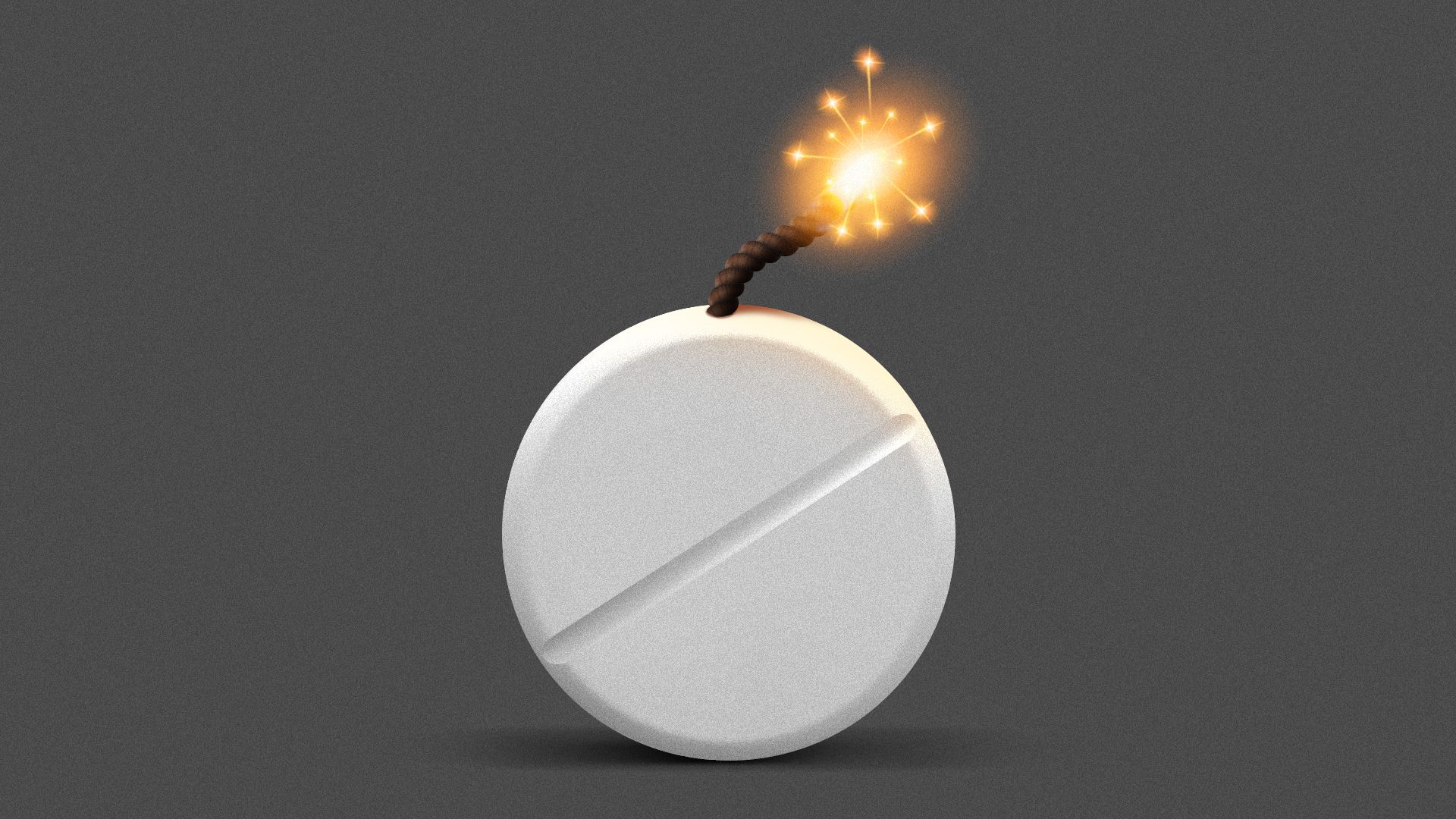
Illustration: Lindsey Bailey/Axios
The threat of new tariffs on drugmakers has set off a debate within the biotech industry over whether to cut voluntary pricing deals with the Trump administration in exchange for exemptions.
Why it matters: Small and midsize companies don't have the resources of a Pfizer or Merck to make price cuts, domestic manufacturing investments and other concessions the White House is seeking.
- But 100% tariffs on patented pharmaceuticals and active ingredients could be devastating for some of the small and midsize biotech companies that develop more than half of all Food and Drug Administration‑approved medicines.
State of play: The Trump administration acknowledges it's using the same strategy that yielded confidential "most favored nation" agreements with 16 large drug manufacturers.
- "Reshore here and charge MFN prices, right? That's exactly our objectives," a senior administration official said this month, when the White House announced the pharma tariffs. Companies that have struck deals to date have won three years of tariff relief.
- But the trade group representing mostly smaller and midsize companies is cautioning its members about the deals, calling the pricing agreements "shortsighted."
- "You just don't have the portfolio," John Crowley, CEO of BIO, told Axios. "You don't have the financial flexibility to do anything like the deals that the larger companies did."
Between the lines: The pricing deals don't cover every drug a manufacturer makes, meaning some large companies could cut the prices on older or lower-margin treatments without taking a big financial hit.
- Smaller biotechs might only make one or two products and not have that flexibility.
- "For many of those companies, they're still losing money," Crowley added, referring to smaller firms pushing products through clinical trials or the FDA approval process.
- Rather than MFN deals, Crowley is pushing for changes to pharmacy benefit managers' business practices as a way to address affordability concerns.
Yes, but: Tariff exemptions the administration has extended for so-called orphan drugs and cell and gene therapies could make the threat less severe for some companies, analysts said.
- "The numerous carveouts included in the tariff proclamation limit their utility as a tool to increase pressure," strategic advisers Capstone wrote in an analysis, which predicted additional midsize biopharma companies will still opt into pricing deals.
The big picture: The Trump administration argues the tariffs are needed to spur domestic pharmaceutical manufacturing and address what's become a national security issue, with China rapidly building its life sciences capabilities.
- "Despite being the world leader in research and development for most innovative pharmaceuticals, the U.S. is heavily reliant on imports, threatening to limit U.S. access to life-saving medications in the event of global supply chain disruption," the White House said in a fact sheet.
The other side: Crowley acknowledged domestic manufacturing is an important goal, and that it was "smart negotiating" to use the threat of tariffs on large companies to secure roughly $400 billion in manufacturing commitments so far.
- But he said tariffs are not workable for smaller companies, saying it "handicaps" them while in a biotech race with China.
- "It's very hard to take a plant in Ireland that makes one rare disease drug and tell a company, 'You've got to rebuild that plant in the United States,'" he said.
What's next: Smaller companies have 180 days to decide whether to strike pricing deals, meaning the tariffs wouldn't take effect until the end of September.
