Powell: Fed yet to decide on whether to "look through" war's impact

Add Axios as your preferred source to
see more of our stories on Google.
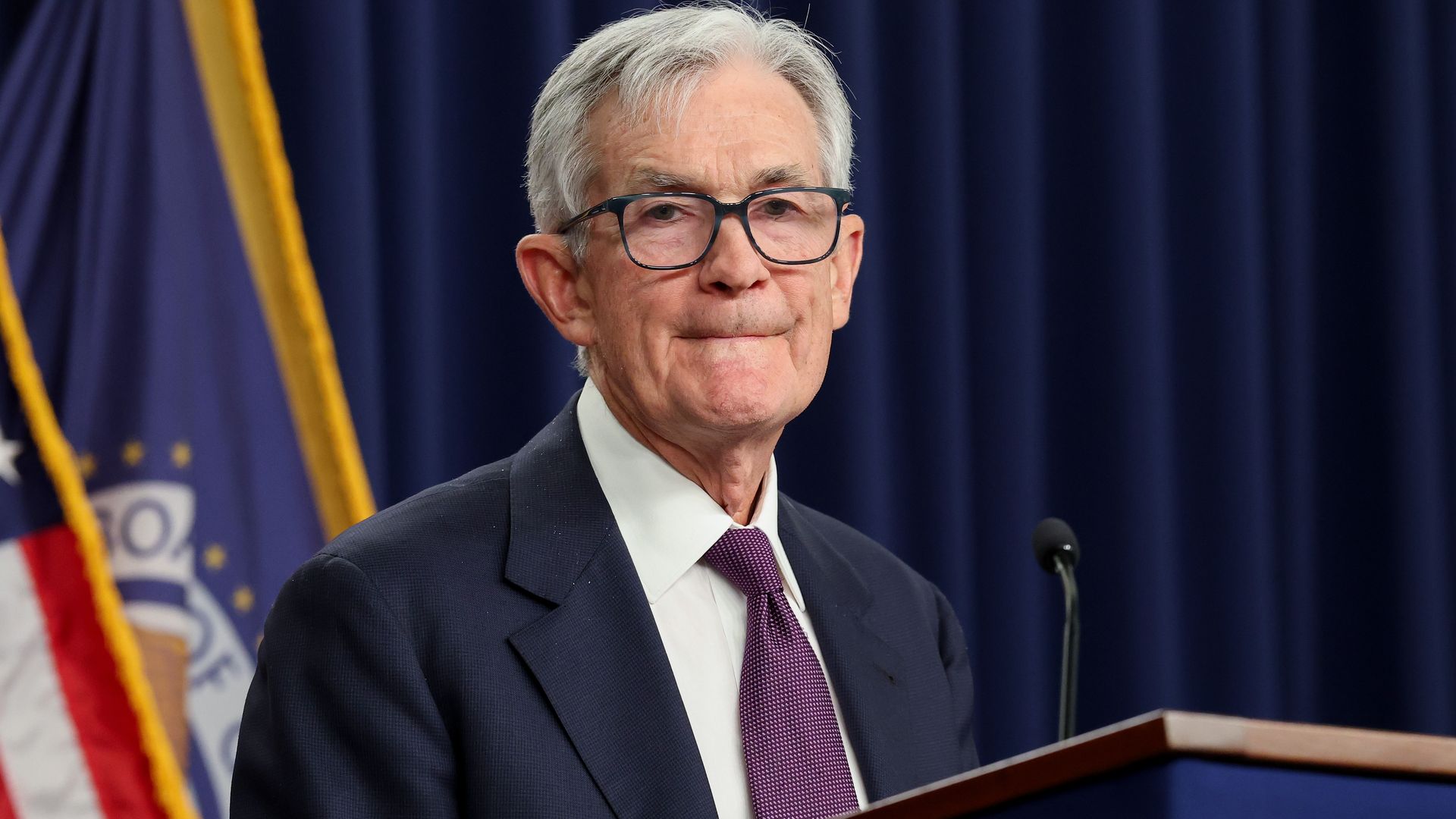
Fed chair Jerome Powell. Photo: Anna Moneymaker/Getty Images
Federal Reserve chair Jerome Powell said the Fed is not yet at the moment when it needs to decide whether to "look through" the Iran war energy shock.
What they're saying: "It's something we will eventually, maybe, face the question of what to do here. We're not really facing it yet because we don't know what the economic effects will be," Powell told introductory economics students at Harvard University on Monday morning.
- "We feel like our policy is in a good place for us to wait and see how that turns out."
Powell said that the Fed has to consider the economic backdrop against which the shock is occurring. "The broader context is ... we've been coming down close to 2% [inflation], post-pandemic, but we've never actually gotten and stayed at 2%," he said.
- But the Fed chair added that, at least for now, Americans' inflation expectations remain "well-anchored beyond the short term," putting less pressure on the central bank to act now.
- Powell also joked that maybe the students in the audience should tell him what to do, since they had just completed a problem set on how the Fed should approach such a supply shock.
The intrigue: Powell was reluctant to give specific advice to his successor, Kevin Warsh, who is awaiting Senate confirmation.
- "I'll just say, in general ... it's very, very important to stick to your knitting and stick to the things that were actually assigned," Powell said.
- "There's always a time when an administration looks and says, 'It would be good to use [the Fed's tools] for something else,'" he said. "It happens all the time ... but we have to be careful to stick to what we're doing."
Answering a separate question from a student, Powell offered more insight into how he builds consensus at the Fed.
- "I think an underrated skill is in listening to people," he said.
- "If you listen to people, and you hear them ... and they understand that you're actually listening to them, and not just communicating at them — for most of the people, most of the time, that's going to be enough," he said, before adding: "And by the way, that's true on Capitol Hill."
