How the upcoming DHS shutdown may affect you

Add Axios as your preferred source to
see more of our stories on Google.
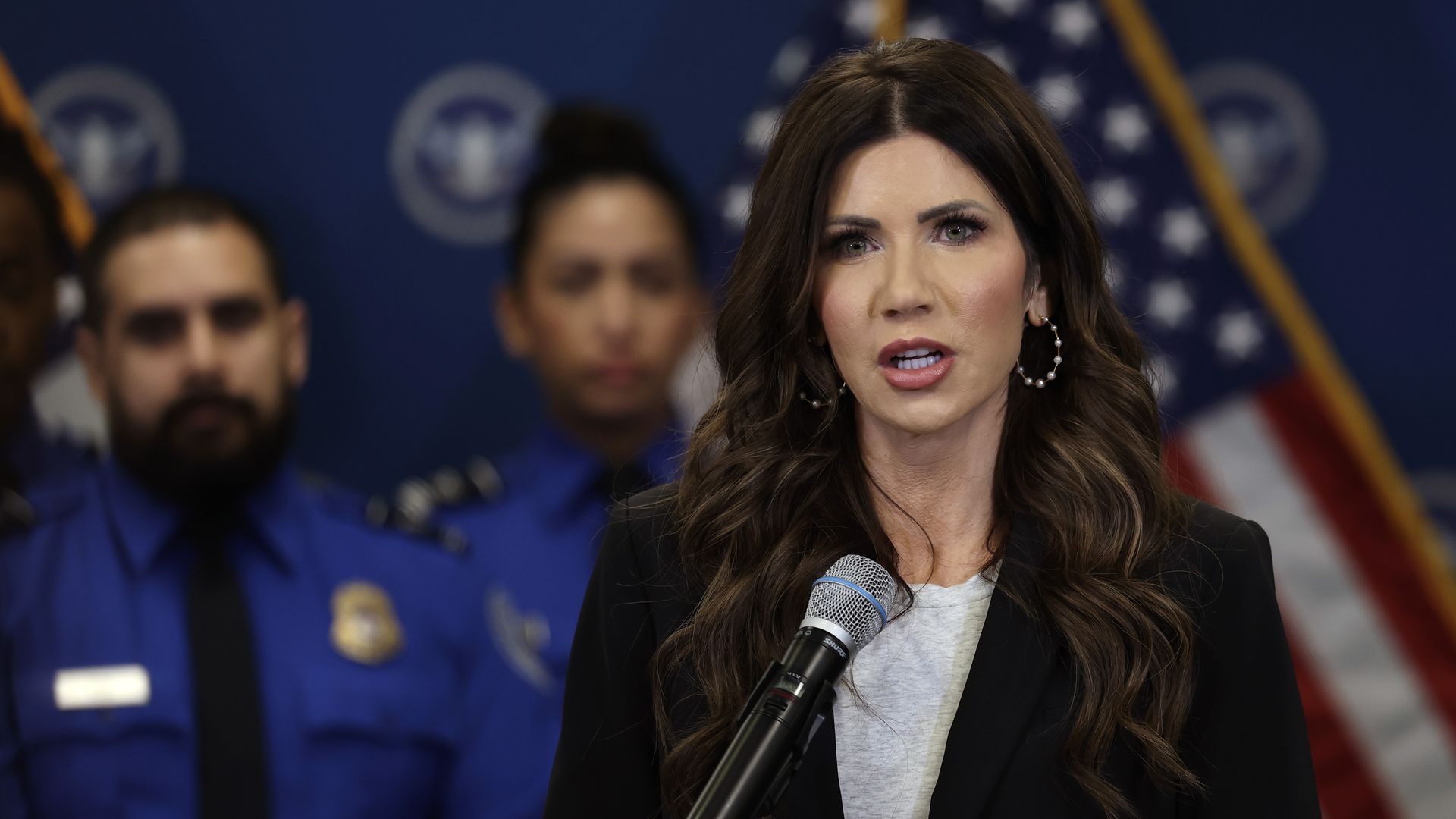
U.S. Homeland Security Secretary Kristi Noem speaks during a news conference at Miami International Airport on Jan. 31, 2026. Photo: Joe Raedle/Getty Images
The looming partial government shutdown could disrupt airport travel, disaster response and cyber monitoring starting Friday.
The big picture: The Department of Homeland Security is the only department facing a funding lapse, putting immigration enforcement and border operations at the center of the standoff.
Catch up quick: Last week, Congress voted to pass a bill funding most of the government until September. However, it kept DHS open only until Feb. 13.
- This was meant to give the White House and Democrats time to figure out reforms for ICE and Customs and Border Protection after the fatal shootings of Alex Pretti and Renee Good.
- Democrats are now pushing to disrupt ICE funding and shut down DHS unless reform happens. Some Republicans have suggested they rather expand ICE than reform it.
Reality check: Funding for ICE and CBP will continue despite the shutdown because of the funding they received in President Trump's One Big Beautiful Bill Act last year.
What we're watching: The partial shutdown would officially start on Friday. The House and Senate are expected to leave town Thursday for a week-long recess without a deal.
Here's what that would mean for you.
TSA disruption and long airport wait times
Like past government shutdowns, the Transportation Security Administration (TSA) would be directly impacted — which could ultimately lead to airport delays and flight cancellations.
- During a shutdown, TSA workers are required to show up without earning pay. This has led to low morale and more absences for TSA agents, ultimately leading to longer wait times at security checkpoints for travelers.
- TSA acting administrator Ha Nguyen McNeill said Wednesday at a hearing on funding that shutdowns have "a cascading negative impact on the American economy."
Flashback: About 1,100 officers left the TSA during the government shutdown last fall, per the agency. That's more than a 25% increase from the same time in 2024.
Cybersecurity problems and threats
Context: The Cybersecurity and Infrastructure Security Agency (CISA) would largely suspend operations during the shutdown.
- CISA largely helps state and local officials monitor their networks.
- CISA would only keep open functions needed for the safety of human life and property protection — like maintaining 24/7 operation centers and monitoring cybersecurity shared services, as well as watching for any imminent threats.
Threat level: "When the government shuts down, our adversaries do not," CISA leader Madhu Gottumukkala said at a hearing Wednesday.
Slower responses to disaster relief
FEMA would also be hit by the DHS shutdown, which could delay responses to major incidents and disaster relief.
- "This will hinder communication, planning, and joint operations, affecting disaster relief outcomes and complicating recovery efforts," Gregg Phillips, associate administrator of FEMA's Office of Response and Recovery, said Wednesday.
- "Crippling FEMA's central operations and recovery-related work will come at the expense of the American people," he added.
Recruiting issues, delayed missions for Coast Guard
The U.S. Coast Guard would suspend any mission unrelated to "national security or the protection of life and property" during a shutdown, Vice Adm. Thomas Allan, acting vice commandant of the Coast Guard, said at Wednesday's hearing.
- This means roughly 56,000 active duty, reserve and civilian personnel would go without pay, Allan said.
- Missing paychecks, he said, could hurt morale and impact recruiting.
More from Axios:
