How Venezuela is governed after Trump declared himself "acting president"

Add Axios as your preferred source to
see more of our stories on Google.
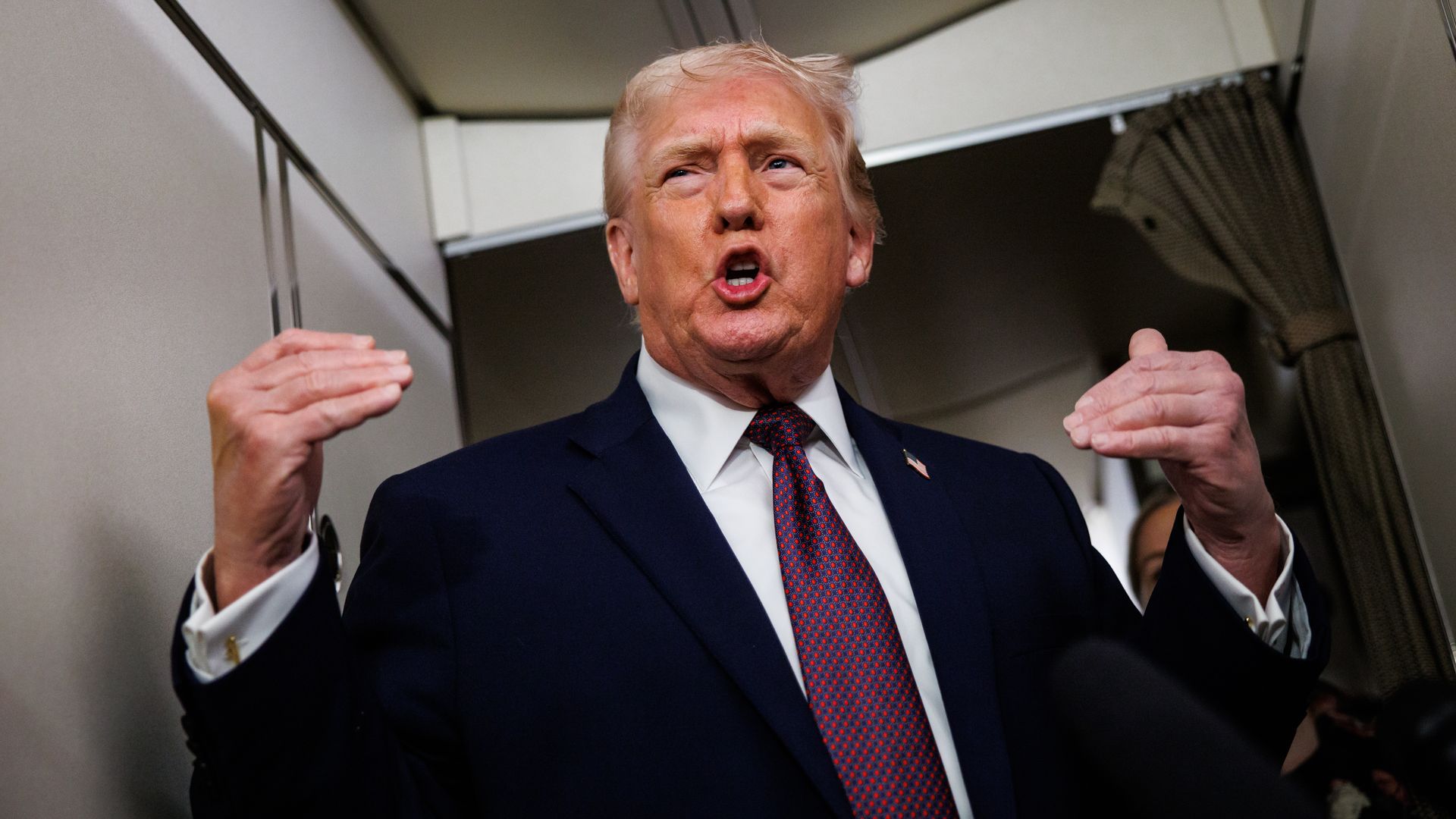
President Trump speaks with reporters aboard Air Force One on Jan. 11. Photo: Samuel Corum/Getty Images
President Trump raised alarms Sunday when seemed to declare himself the "acting president of Venezuela."
Why it matters: Though Trump has no formal title in Venezuela, the president has continued to assert his authority over the country, raising questions about how long the U.S. will maintain its influence there.
- In fact, Trump has allowed much of the South American country's regime to remain, for now, while also promising future elections.
- The questions over leadership within Venezuela have bubbled since the U.S. captured the country's former leader, Nicolás Maduro, who remains in U.S. custody on charges including terrorism and drug trafficking.
Context: Trump's Truth Social post Sunday night, which featured a photo designed to look like a Wikipedia page, deemed him Venezuela's leader.
- But Trump's actual Wikipedia page does not say this. And it hasn't been officially declared elsewhere.
- "We've had complete cooperation thus far from the interim authorities in Venezuela," White House press secretary Karoline Leavitt told Fox News on Monday.
Trump's apparent troll post comes after several memes deemed Secretary of State Marco Rubio, who has taken on several different roles within the Trump administration, Venezuela's governor.
Here's what to know about the state of Venezuela's leadership.
Who is in charge of Venezuela?
Zoom in: Delcy Rodríguez, Maduro's vice president and oil minister, currently leads the country. She was sworn in as Venezuela's interim president on Jan. 5.
- The Trump administration backed Rodríguez for her handling of the oil industry, per the New York Times.
- Maduro previously described her as a "young woman, brave, seasoned, daughter of a martyr, revolutionary and tested in a thousand battles," per Reuters.
Yes, but: Trump has been adamant that the U.S. still has authority over the country.
- "We're dealing with the people who just got sworn in. Don't ask me who's in charge because I'll give you an answer and it will be very controversial," Trump told reporters aboard Air Force One on Jan. 4.
- "We're in charge," he added.
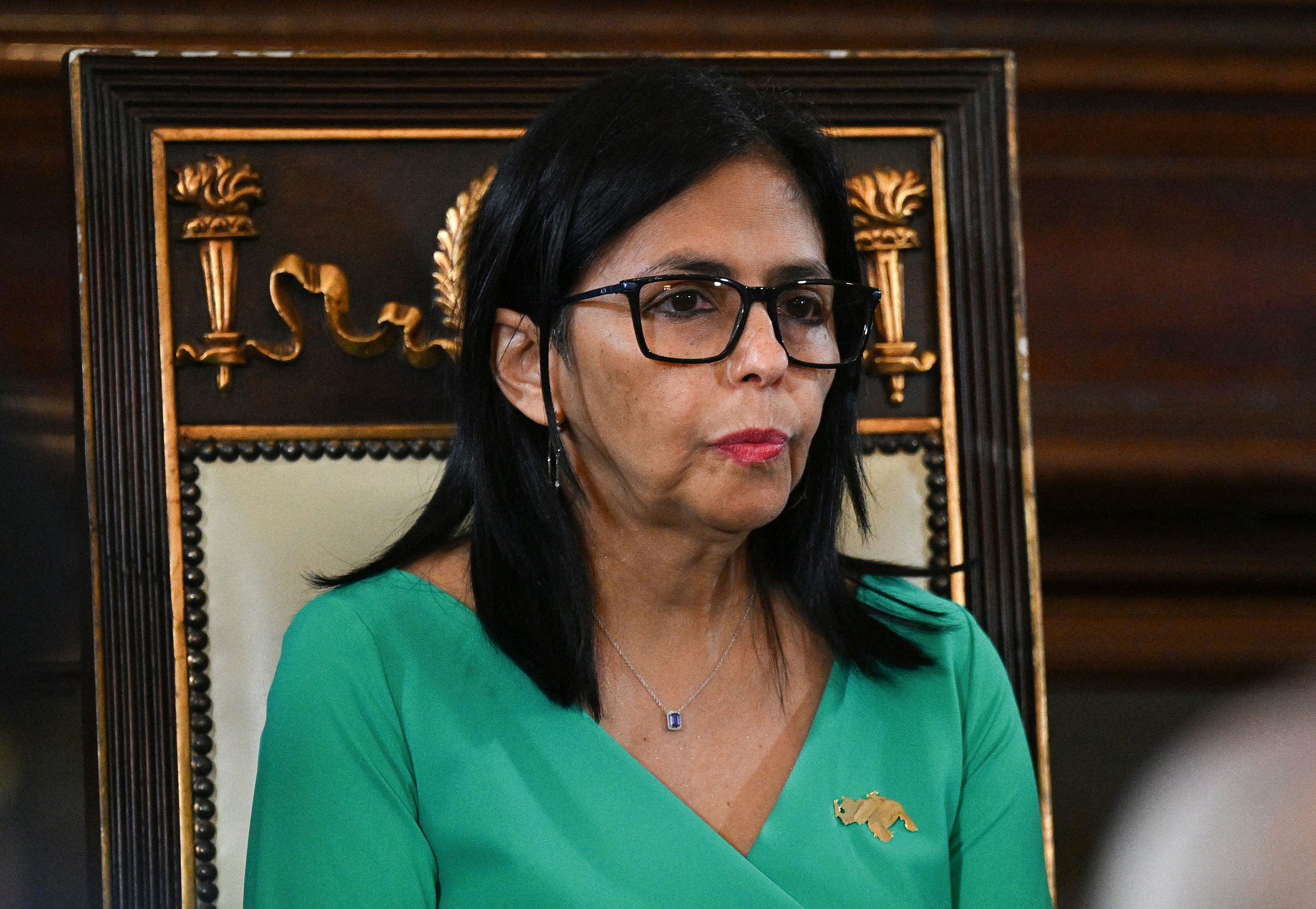
What Trump wants from Venezuelan leaders
The Trump administration seems to be working with Rodríguez as she softened her tone against the U.S.
- The White House made several demands of Rodríguez, including severing economic ties with China, Russia, Iran and Cuba and booting them from the country, ABC News reports.
- Trump also asked Venezuela to partner exclusively with the U.S. on oil production and favor the U.S. for heavy crude prices, per ABC.
What he said: Trump told The Atlantic that Rodríguez would "pay a very big price, probably bigger than Maduro" if she does not align with U.S. demands.
- Rodríguez, who originally decried Maduro's capture, softened her stance, saying she'd cooperate with the U.S. on energy.
- The Caracas government also sought to restore diplomatic ties with the U.S., and a U.S. delegation visited the country soon after.
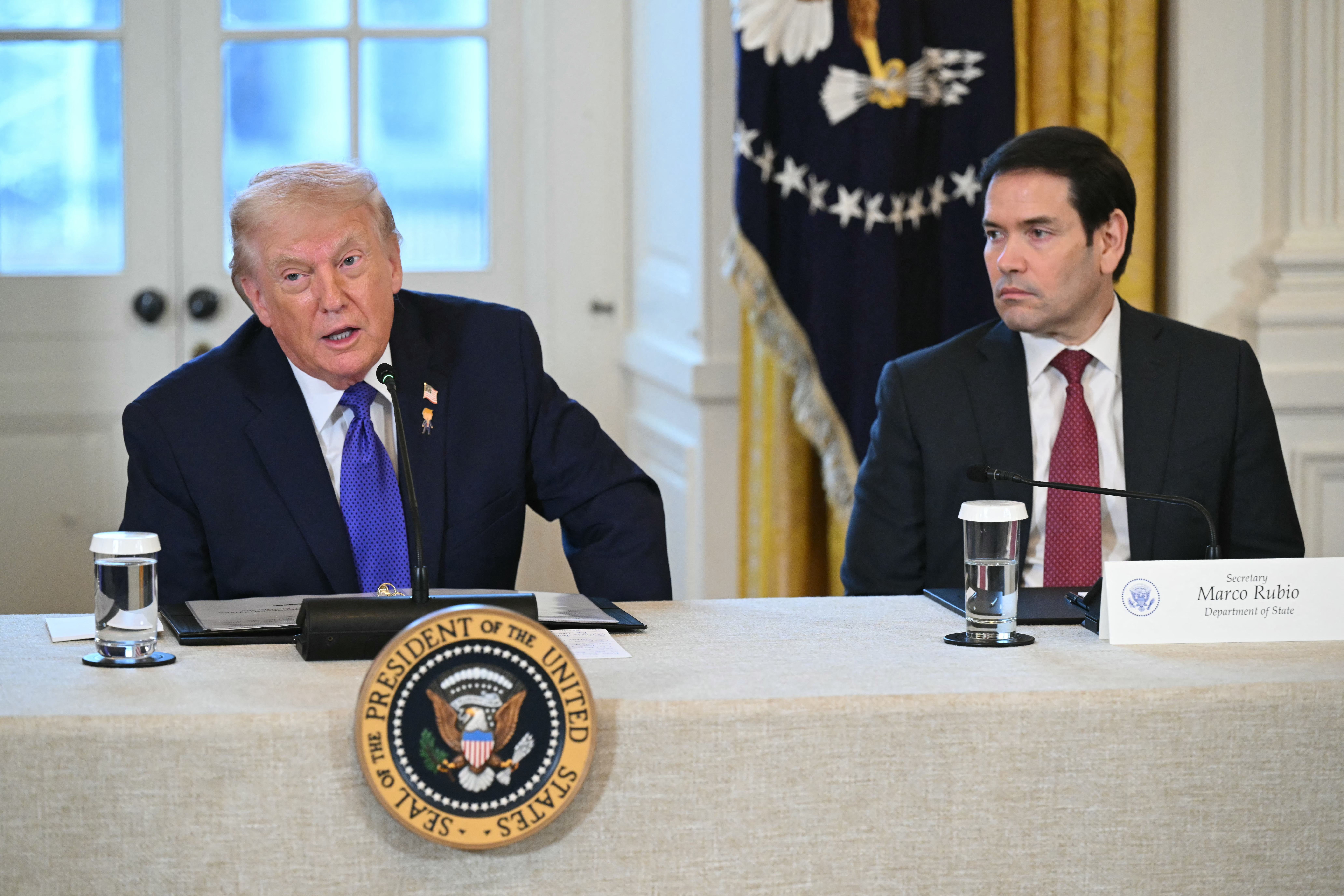
On Friday, Trump also said he stopped a "second wave of attacks" on Venezuela because of the improved relationship.
- "The U.S.A. and Venezuela are working well together, especially as it pertains to rebuilding, in a much bigger, better, and more modern form, their oil and gas infrastructure," he posted on Truth Social.
- However, Trump said there will still be a military presence off the shores of the country.
Will there be elections in Venezuela?
What's next: The Trump administration has suggested elections are the final step for the U.S. when it comes to Venezuela oversight — though any timetable remains foggy.
- "They couldn't have an election. They would not even know how to have an election right now, the country has become third world," Trump told Fox News in an interview aired on Jan. 9.
- However, Rep. Mario Díaz-Balart (R-Fla.) told Politico the "real solution" would be to have elections "as soon as possible."
The other side: Any election would likely pit Rodríguez against a popular opposition that has been sidelined.
- The country's opposition leader, María Corina Machado, who won the 2025 Nobel Peace Prize, has been critical of Rodríguez, calling her an ally of Russia, China and Iran.
- Machado was barred from running in the 2024 presidential election, but the candidate who stood in her place won an overwhelming victory, according to reports from polling places. Maduro declared victory despite the evidence he lost.
- Machado is widely considered the most popular politician in Venezuela. But she's also an anti-regime hardliner, which convinced some in the Trump administration that the military and other Caracas power brokers would never work with her. Hence the preference for Rodríguez.
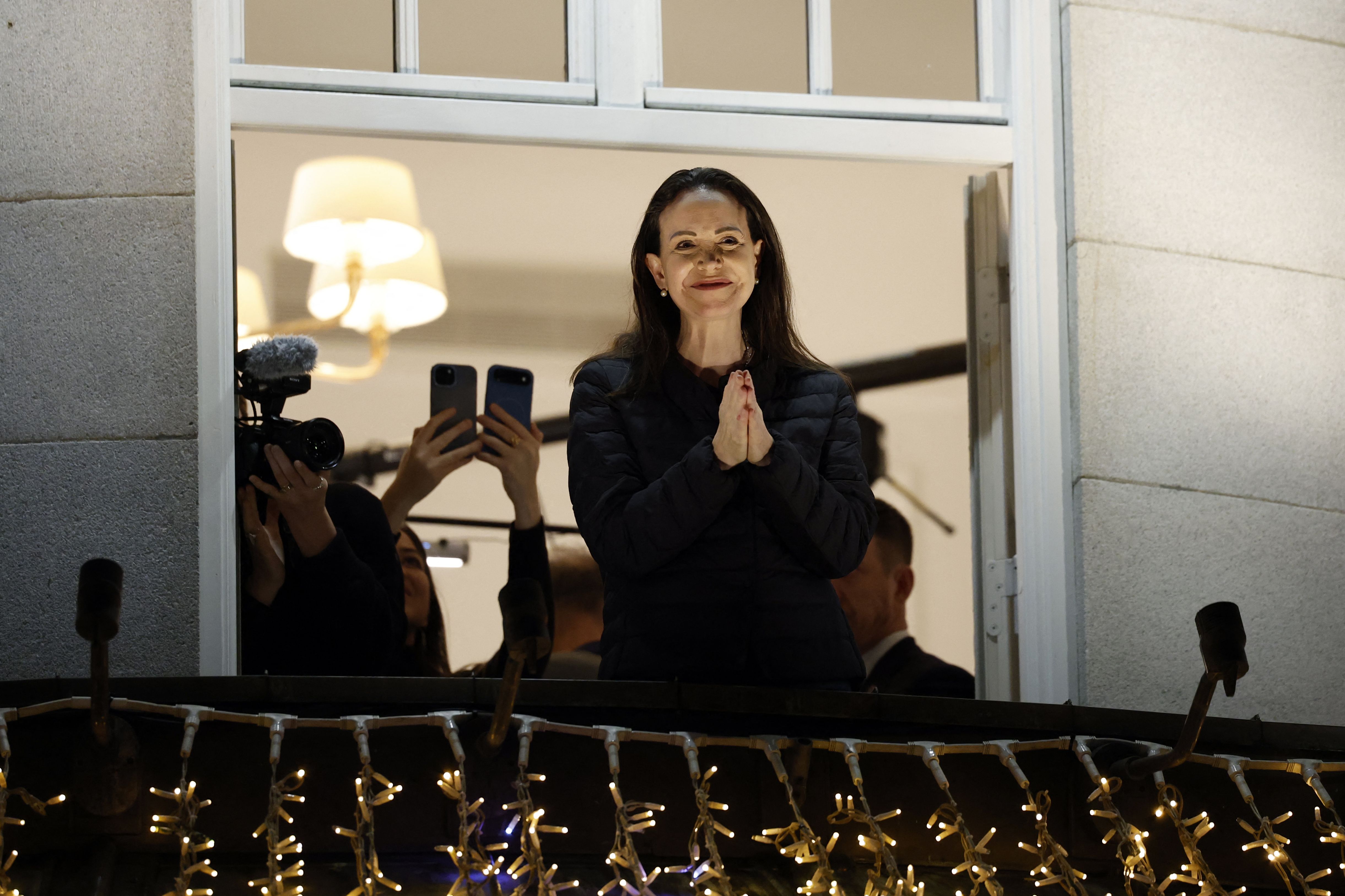
What we're watching: Trump is expected to meet with Machado this week in Washington, D.C.
The bottom line: Trump told the New York Times that Rodríguez's government is "giving us everything that we feel is necessary."
- As for when American oversight might end? "Only time will tell," he told the New York Times.
More from Axios:
Trump declares national emergency to shield Venezuelan oil cash
Trump says he's "inclined to keep Exxon out" of Venezuela after CEO's remarks
U.S. oil giants tell Trump they're noncommittal on Venezuela
