What the U.S. used to capture Maduro

Add Axios as your preferred source to
see more of our stories on Google.
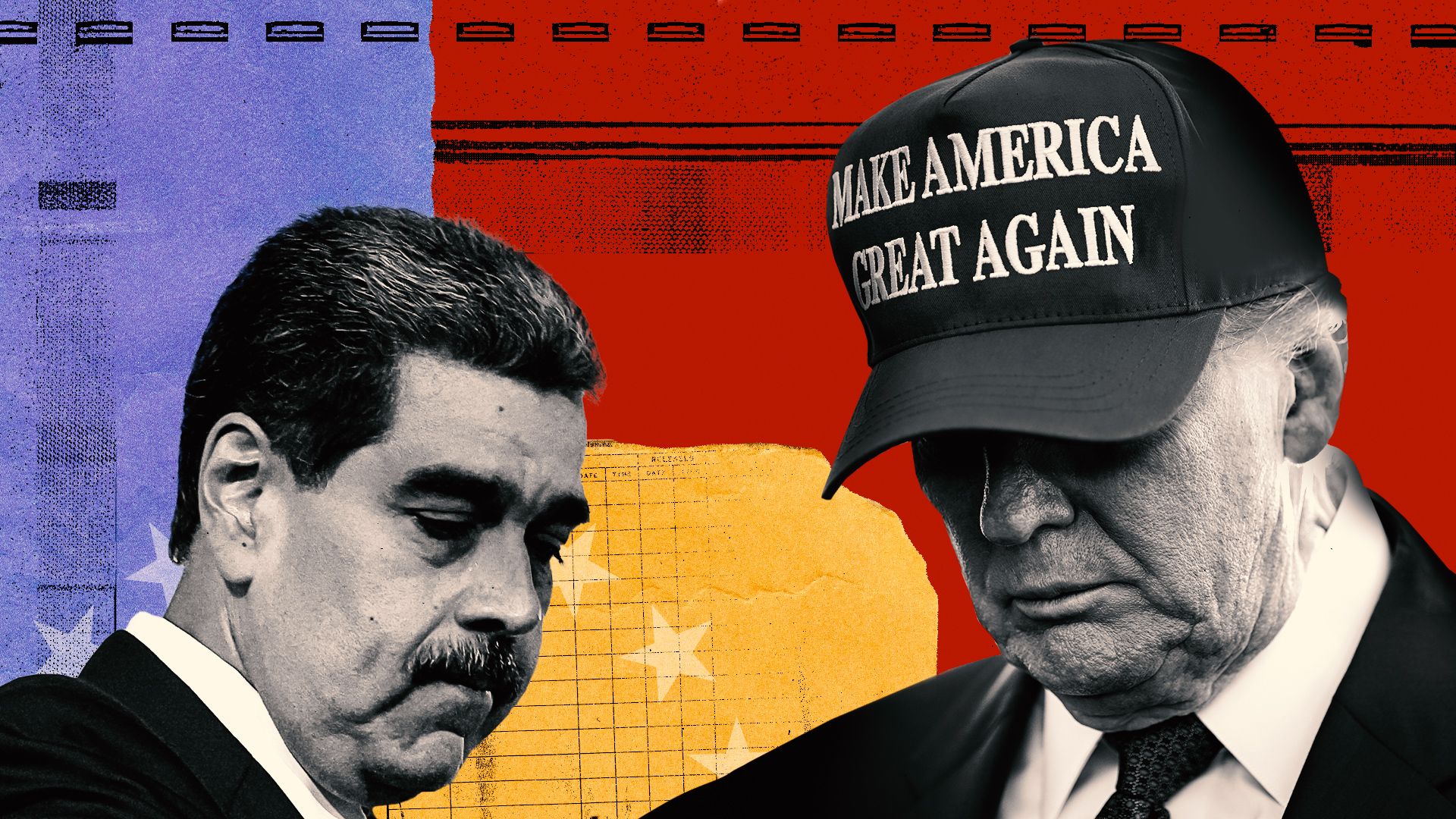
Photo illustration: Aïda Amer/Axios. Photo: Brandon Bell and Jesus Vargas/Getty Images
The geopolitical face-off between President Trump and Venezuelan strongman Nicolás Maduro concluded this weekend with black-bag precision and a Nike Tech tracksuit.
The big picture: The most complex raid since Abbottabad gave the world a glimpse of what the U.S. military is capable of when time is short, all the other resources are virtually endless and the stakes are scarily high.
- It was both almost too bombastic for a movie script and surprisingly sneaky for an era of ubiquitous sensors, cellphones among them.
- It also proved it is too soon to write off helicopters as outdated death traps.
- "Audacious, surgical and stunning," the operation "single-handedly rewrote U.S.-Venezuelan policy and significantly impacted China, Russia, North Korea and Iran's strategic calculus," Seth Krummrich, vice president of client risk management at Global Guardian, told Axios.
Driving the news: A significant sum of manpower and materiel was tapped to make off with Maduro. The roster included:
Special operations muscle, such as Delta Force, one of America's most elite combat forces, and the 160th Special Operations Aviation Regiment, which trains extensively for nighttime operations and employs specialized Chinook, Black Hawk and Little Bird helicopters.
More than 150 warplanes, like B-1 Lancers, F-22 Raptors, F-35 Lightning IIs, F/A-18 Super Hornets, EA-18 Growlers and E-2 Hawkeyes.
A very special, little-seen drone known as RQ-170 Sentinel, at least one of which was spotted overhead. Photos shared by Air Forces Southern in December that featured an RQ-170 patch were quickly taken down.
A CIA team on the ground ahead of time, capable of building a pattern of life that ultimately "made grabbing him seamless," one source told Axios. (Washington "utilized a mosaic of all available intelligence methods," including human and signals intelligence, Krummrich said.)
Crew members as young as 20 and as old as 49, according to Joint Chiefs Chairman Gen. Dan Caine.
The USS Iwo Jima, the Wasp-class amphibious assault ship that Maduro was flown to after capture. The vessel, effectively a floating military base, moved into the region over the summer.
Information warfare expertise, including weather practitioners who monitored conditions as the operation sat in limbo for days.
Cyber and Space commands, which helped carve a path for troops entering the capital. ("The lights of Caracas were largely turned off due to a certain expertise that we have — it was dark and it was deadly," Trump said.)
Zoom out: Maduro's toppling is the result of months of military buildup in and around the Caribbean. It also comes alongside lethal strikes against alleged drug-runners Trump 2.0 is likening to al-Qaeda.
- So much firepower so close to home has thrust U.S. Southern Command under an unfamiliar microscope.
The bottom line: Defense Secretary Pete Hegseth's pledge that the Pentagon would not be "distracted by" democracy building, interventionism and regime change lasted only a few weeks.
Go deeper: U.S. leveled military facilities in Maduro attack, satellite imagery reveals
