Betty Boop, Mickey Mouse works enter the public domain in 2026

Add Axios as your preferred source to
see more of our stories on Google.
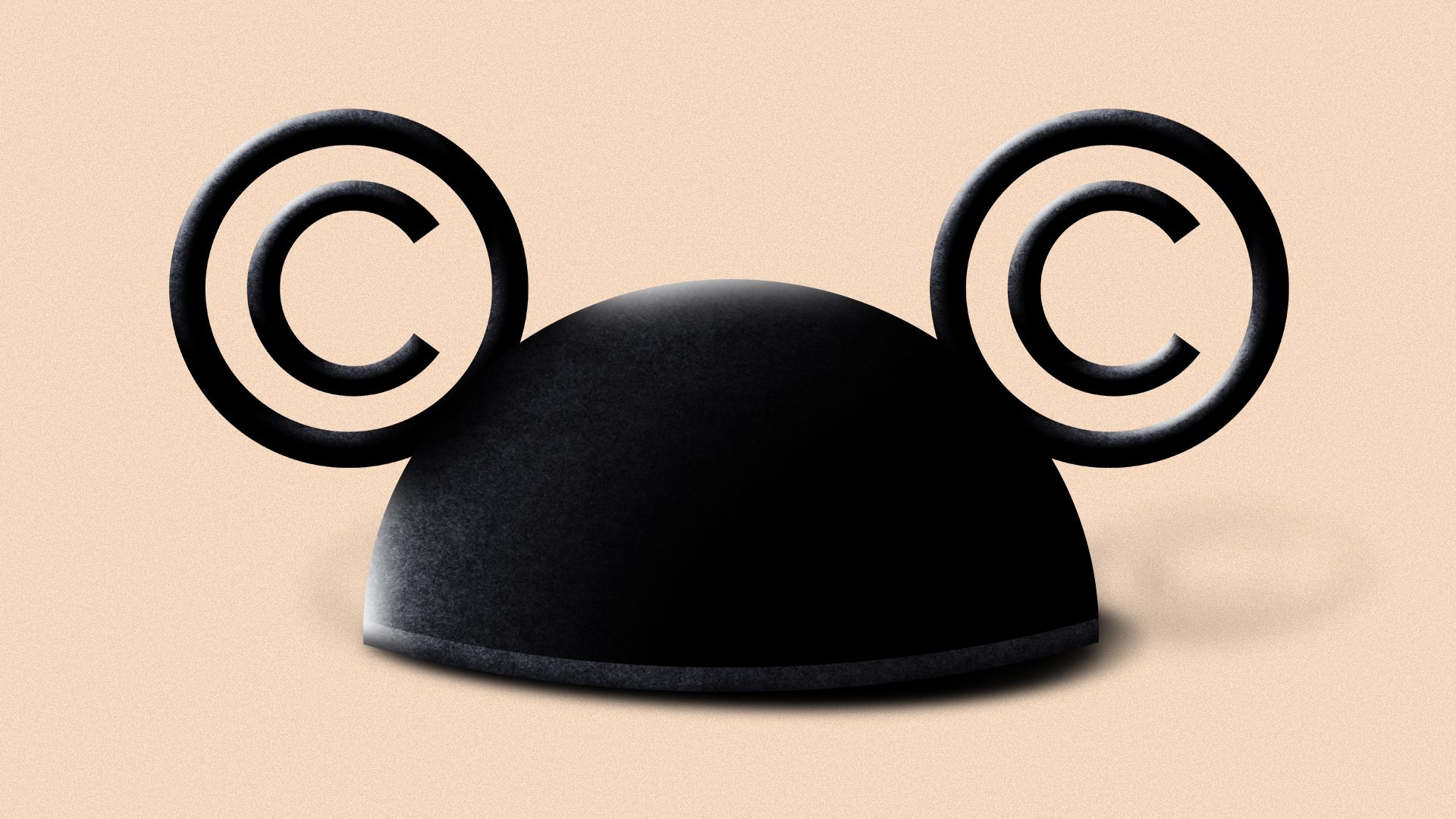
Illustration: Sarah Grillo/Axios
The public will be able to copy and reproduce thousands of copyrighted works from 1930 in the new year, including flirtatious flapper Betty Boop, nine additional Mickey Mouse cartoons and novels from Agatha Christie and William Faulkner.
Why it matters: Copyright violations can run up a hefty price tag — but when works enter the public domain, creatives can legally reimagine American classics.
What they're saying: "To tell new stories, we draw from older ones," Duke Law professors Jennifer Jenkins and James Boyle wrote in an annual survey of works entering the public domain.
- "One work of art inspires another — that is how the public domain feeds creativity."
Zoom in: Literary works soon to be available to the public include William Faulkner's "As I Lay Dying" and Agatha Christie's "The Murder at the Vicarage."
- Those looking for childlike whimsy can repurpose an illustrated version of "The Little Engine That Could" and the first four Nancy Drew novels.
- Sound recordings are open to the public after 100 years, freeing up 1925 hits such as Marian Anderson's "Nobody Knows the Trouble I've Seen" and Bessie Smith's recording of "The St. Louis Blues" featuring Louis Armstrong.
- Musical compositions available for reuse include "Georgia on My Mind" by Stuart Gorrell and Hoagy Carmichael, and "Dream a Little Dream of Me," which was popularized by Ella Fitzgerald and Louis Armstrong.
- Movies include the 1930 version of "All Quiet on the Western Front" starring Lew Ayres and the Marx Brothers' "Animal Crackers." Nine new Mickey Mouse cartoons will also become available, as will early appearances by Mickey's dog Rover — later renamed Pluto.
Yes, but: Only the 1930 versions of these classic characters and works are entering the public domain.
- Newer, revised iterations are still copyrighted, and trademark rights still apply to names and designs when used on merchandise.
Zoom out: While the public can now reuse and revamp these works from 1930, legal scholars say artificial intelligence is on a collision course with the copyright system.
- AI is gobbling up copyrighted works left and right, often to the chagrin of artists' estates and families, and the problem is only expected to get worse as Congress struggles to legislate on AI — meaning battles are more likely to be resolved in the courts, rather than legislatively.
Go deeper: Copyright law will shape how we use generative AI
