New Senate momentum

Add Axios as your preferred source to
see more of our stories on Google.
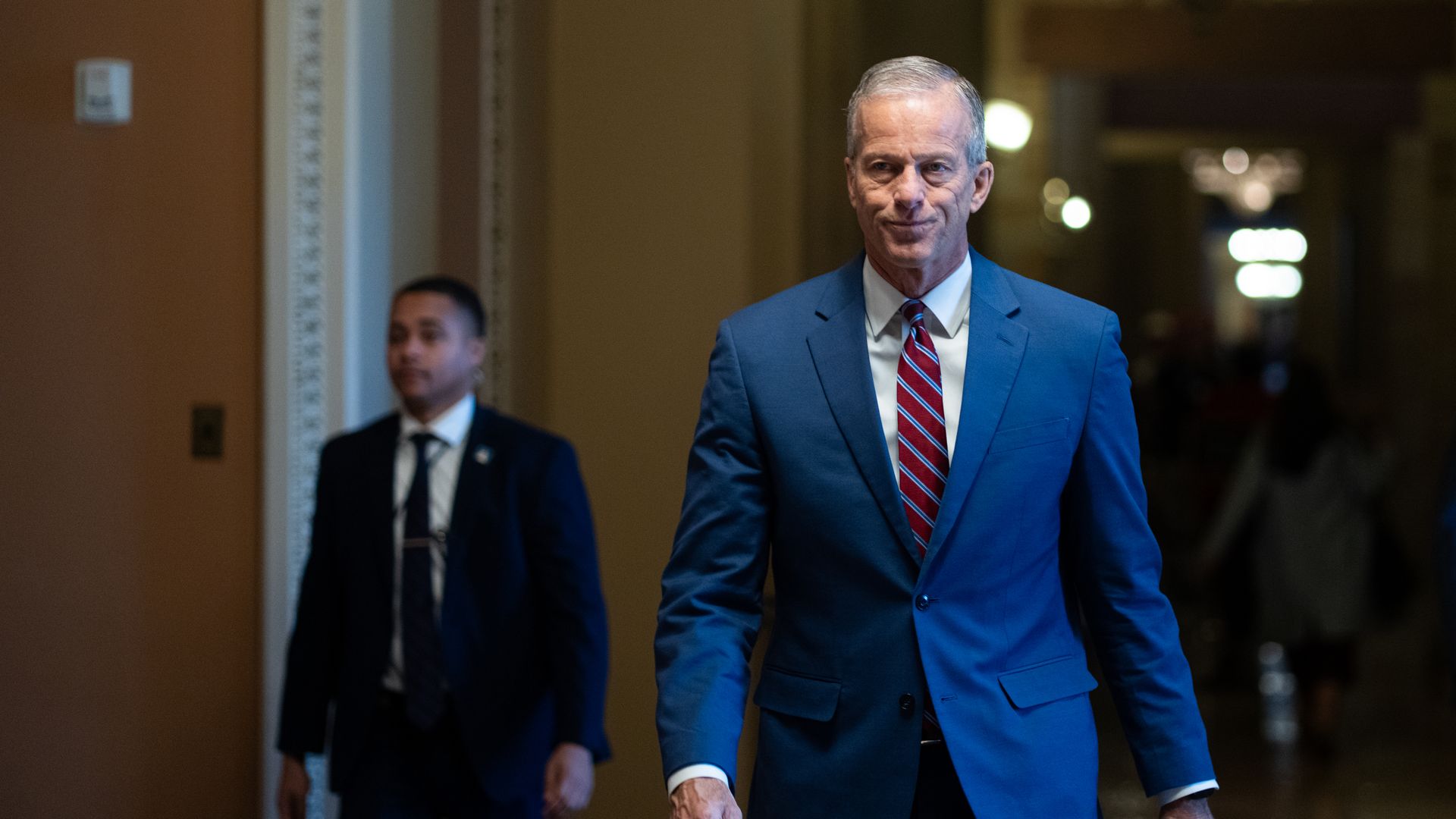
The prospect of a forced House vote has given new life to bipartisan Senate negotiations on the soon-to-expire health care subsidies for millions of Americans.
- "I think it keeps the conversation live," Sen. Jon Husted (R-Ohio), who has been involved in bipartisan talks, told us.
Why it matters: The Senate has already rejected the language in the House discharge petition. But some key senators are holding out hope for a last-gasp, bipartisan effort to revive the subsidies early next year.
- Senate Majority Leader John Thune told reporters a House-passed bill would create "a revenue vehicle that we could use for something if there ever is a deal that emerges."
- Sen. Susan Collins (R-Maine) told reporters the "House discharge petition is certainly a boost."
Zoom in: The bipartisan talks have centered on a proposal from Sens. Collins and Bernie Moreno (R-Ohio) to extend the subsidies for two years with changes like an income cap on eligibility and a minimum premium payment aimed at fraud.
- Sen. Jeanne Shaheen (N.H.) a key Democratic moderate in the talks, told us today she is open to that proposal, "depending on the technical details as it gets written."
- "We have sort of a compromise proposal that we're putting the finishing touches on," Husted said. "But whether there's votes for it or not, I have no idea."
Between the lines: There's lingering debate over limits for abortion funding, and upcoming appropriations deadlines and a possible government shutdown are looming next month.
- Even if there is a deal, there's no guarantee Thune would give it a vote.
- But "any bill that comes out of the Senate will get a vote here," Rep. Fitzpatrick said, even if it requires another discharge petition.
The bottom line: Moreno told us today that there is "no scenario" where the Senate passes a clean extension.
- But he added: "An extension with reforms is possible."
— Stef Kight, Peter Sullivan and Kate Santaliz
