Ford pivoting to hybrids and dropping all-electric F-150, sees $20B in charges

Add Axios as your preferred source to
see more of our stories on Google.
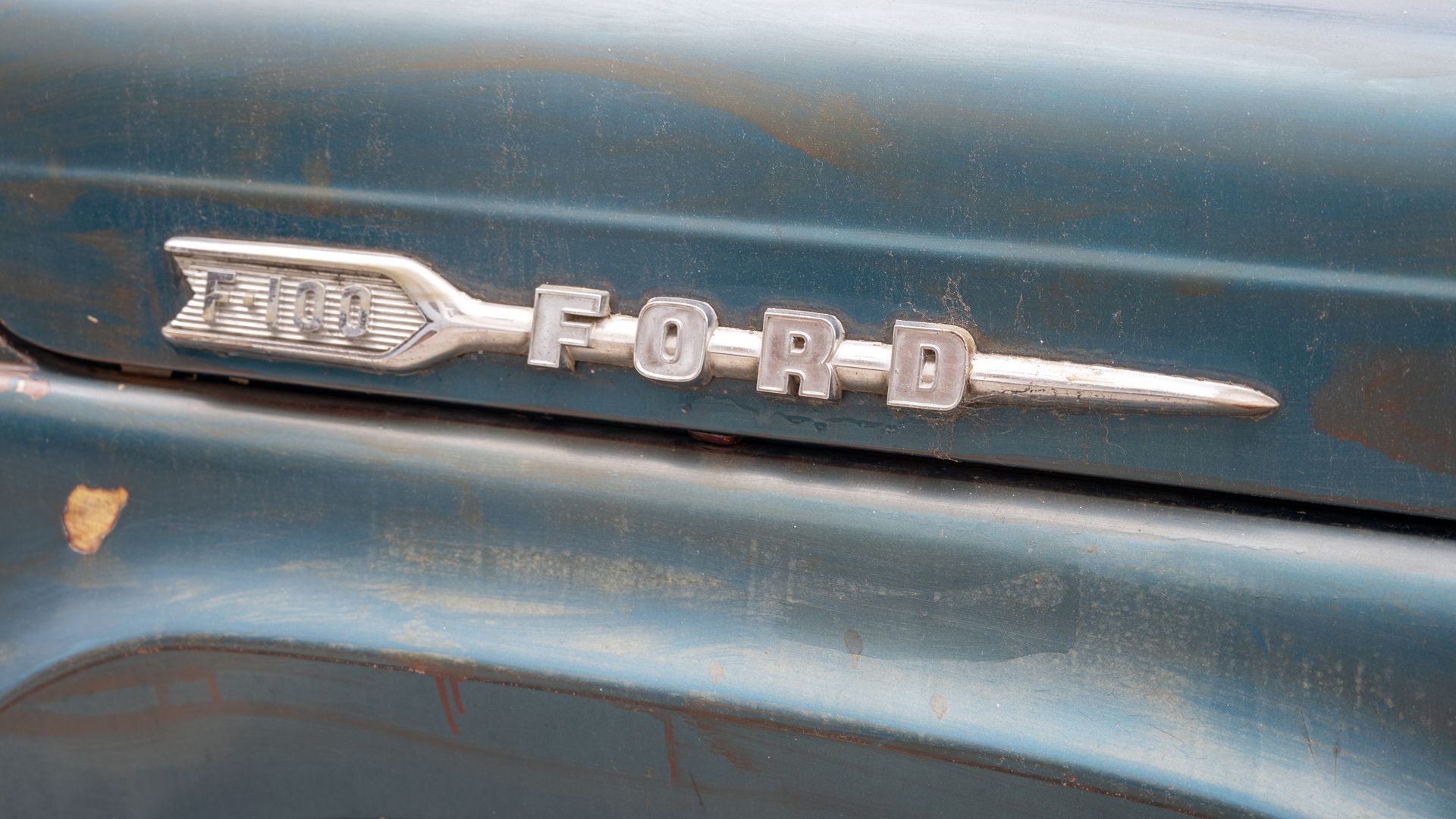
A classic Ford F-150 badge. Photo: Smith Collection/Gado/Getty Images
Ford is rethinking its electric vehicle and battery strategy, dropping the all-electric version of the F-150 Lighting and putting more of its money into hybrid trucks and energy storage to support data centers and grid stability.
Why it matters: The company's pivot to match customer demand will come with almost $20 billion in charges to be taken now through 2027, more than $5 billion of that in cash the next two years.
- By 2030, about 50% of Ford's global volume will be hybrids, extended-range EVs and electric vehicles, versus 17% today, the company said.
The big picture: Ford painted the announcement as a response to clear signals from customers who want more affordable vehicles and don't want to sacrifice performance and utility with battery-powered EVs.
- It also comes amid a sweeping rollback of clean vehicle regulations under the Trump administration.
Driving the news: Rather than keep spending billions more on large EVs that have no path to profitability, Ford said it will redeploy its capital to diversify powertrain options in market segments where it does well, such as work trucks and vans.
- For example, instead of selling a fully electric pickup, Ford said the next F-150 Lightning will be an extended-range EV, pairing an electric motor with a gasoline engine for 700 miles of driving range.
- Ford is sticking to its plan to build a new line of affordable EVs, starting with a mid-sized electric pickup due in 2027.
- Plus, it is starting a new business to sell battery storage systems to utilities and data centers for backup power, something GM also recently announced.
Between the lines: Ford is essentially reversing course on its splashy $11 billion EV manufacturing investment announced in 2021.
- The plan was to build a new EV assembly plant and at least three battery joint venture factories in Tennessee and Kentucky.
- Instead, the EV plant in Tennessee will now be repurposed to build gas-powered trucks, employing 2,300.
Of note: The battery joint venture with Korea's SK On is also kaput, with the partners dividing the two existing factories.
- Ford plans to spend $2 billion retooling a Kentucky plant to make batteries for stationary storage instead of EVs, using technology licensed from China.
- Some 1,600 battery workers in Kentucky will lose their jobs as a result, Ford said, but will be able to reapply when the the plant reopens in about two years. Eventually Ford plans to hire 2,100 at the site.
The product shuffle, while expensive, is necessary in light of low EV demand, high costs and the new regulatory regime, Ford said.
- Besides the all-electric pickup, Ford is ditching plans for an electric commercial van and adding U.S.-built gas-powered and hybrid trucks and vans to its lineup.
The catch: The new gas- or hybrid-powered vehicles don't arrive until 2029, at least a year behind when the original EVs were expected.
What they're saying: "Ford is following the customer," Andrew Frick, who is president of both the traditional and EV divisions, told reporters.
- "We are looking at the market as it is today, not just as everyone predicted it to be five years ago," he said.
- "What we love about this plan is that we're offering customers choice," Frick said.
What to watch: Ford said the changes will enable its EV business to be profitable by 2029. It also raised its year-end profit outlook to $7 billion.
Editor's note: This story has been corrected to remove an erroneous reference to a plan for 6,000 electric vehicle assembly jobs in Tennessee, which was part of a different plan.
