The (possible) return of the Woody station wagon

Add Axios as your preferred source to
see more of our stories on Google.
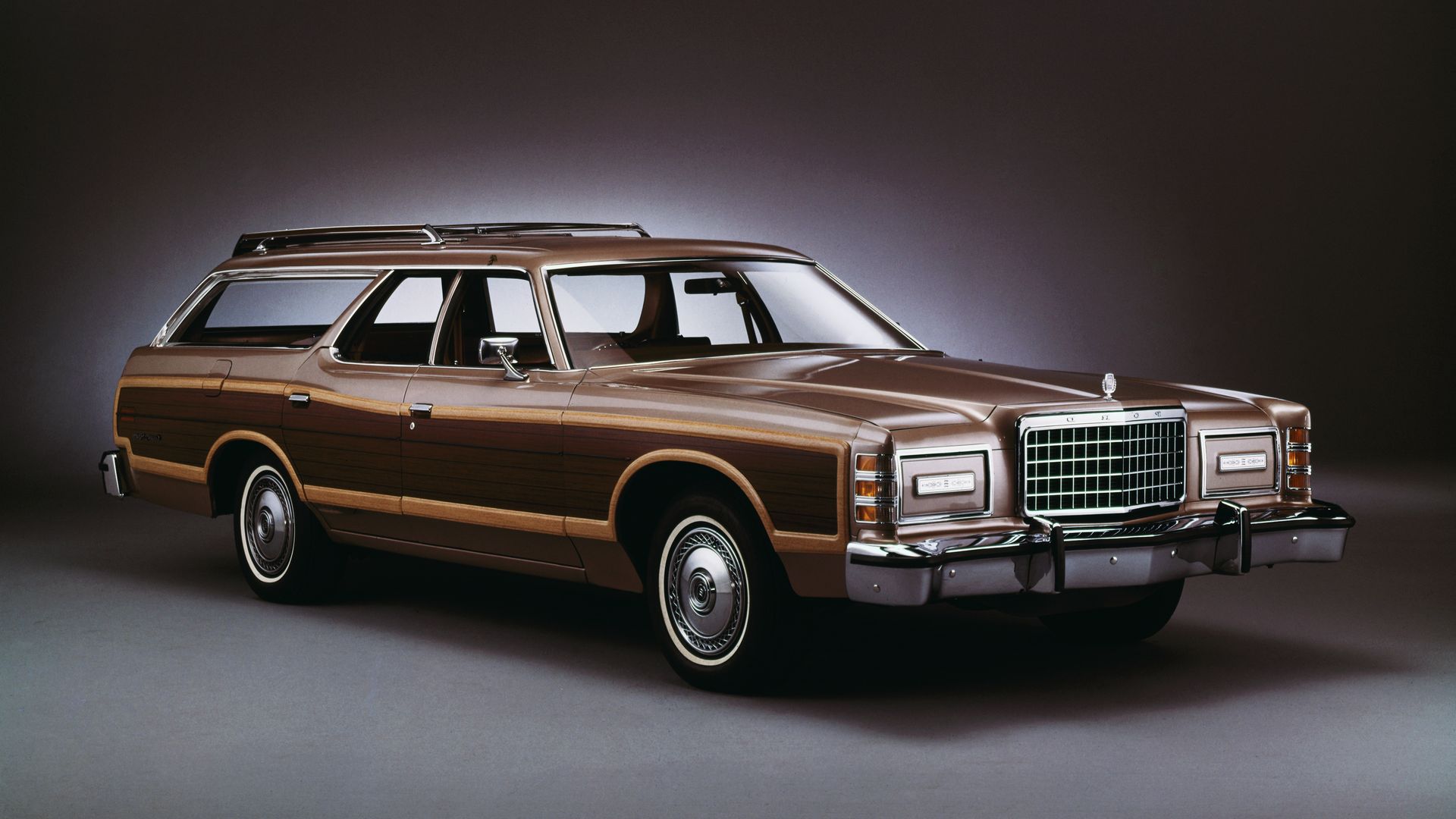
Ford's 1978 Country Squire station wagon. Photo: Bettmann/Getty Images
Besides the headlines about President Trump's effort to make cars affordable again — or his surprising tiny car infatuation — the administration's rollback of certain fuel economy standards could also change the mix of cars on dealer lots.
Why it matters: Reclassifying what constitutes a "car" or a "truck" for fuel economy purposes could mean the return of the traditional station wagon, Transportation Secretary Sean Duffy recently mused.
Between the lines: The administration's new fuel economy rules would close a regulatory loophole that allowed automakers to pass off car-based utility vehicles or minivans as "light trucks."
- Under the original rules established in the 1970s, trucks had easier standards to meet than passenger cars.
- Automakers took advantage of the distinction by crafting models with fold-down or removable seats for more flexible "cargo" space so that they qualified as trucks.
- Over time, this manipulation of the market led to the growth of SUVs and the disappearance of traditional station wagons.
The new rules put stricter criteria on vehicle classifications, including whether they're used for work purposes or meet specific off-road requirements.
What they're saying: "This rule will actually allow you to bring back the 1970s station wagon — maybe a little wood paneling on the side," Duffy told CNBC.
- "We can bring back choice to consumers, so yeah, the minivan is awesome, but maybe the station wagon is cool, too."
The intrigue: While Trump is slashing the fleet-wide mpg targets companies must meet, the vehicle reclassification may make compliance tougher for both sectors, S&P Global Mobility analyst Stephanie Brinley said during an Automotive Press Association event Monday.
- Passenger car fleets will now include larger, thirstier utility models.
- Truck fleets will include fewer utilities, which are relatively more efficient and helped bring up the average mpg for trucks.
