Whistleblower warns of massive Social Security data risk

Add Axios as your preferred source to
see more of our stories on Google.
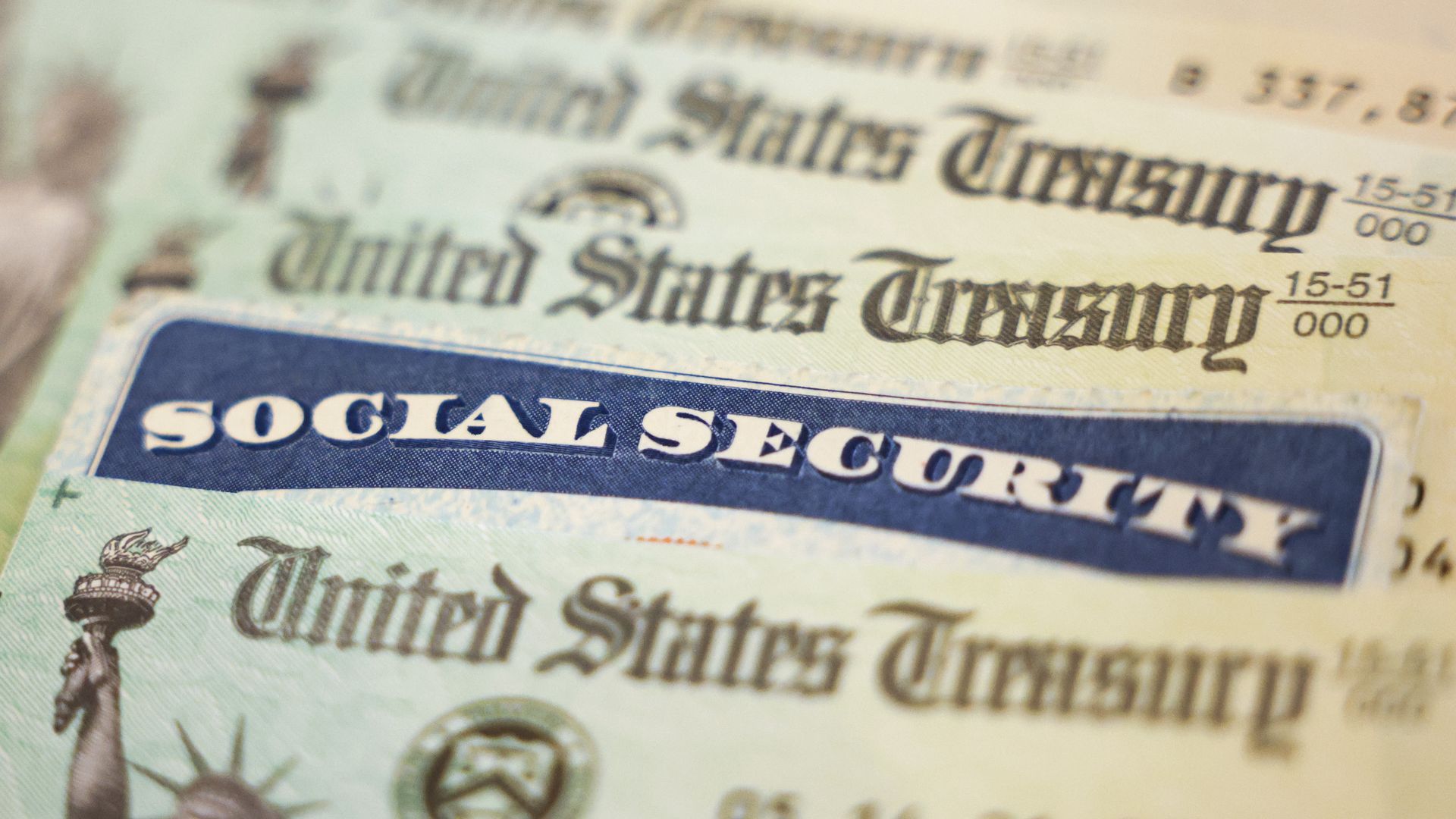
Photo illustration: Kevin Dietsch/Getty Images
The Department of Government Efficiency uploaded an enormous Social Security database to an unsecured cloud in June, risking the private information of hundreds of millions of Americans, per a new whistleblower complaint.
Why it matters: The file is a treasure trove for bad actors, says the complaint, filed by the Social Security Administration's chief data officer.
- The database contains the identifying details of more than 300 million Americans — and includes all the information in someone's Social Security application, name, date of birth, parents' names, addresses, etc.
"Americans may be susceptible to widespread identity theft, may lose vital healthcare and food benefits," the complaint says, "and the government may be responsible for re-issuing every American a new Social Security Number at great cost."
The other side: "We are not aware of any compromise to this environment and remain dedicated to protecting sensitive personal data," a spokesperson for Social Security said in a statement.
- "SSA stores all personal data in secure environments that have robust safeguards in place to protect vital information. The data referenced in the complaint is stored in a long-standing environment used by SSA and walled off from the internet."
- The agency said it takes all whistleblower complaints seriously.
Between the lines: It's not clear what DOGE wanted to use the data for, but earlier this year the agency began using its data to assist with immigration enforcement.
- That raised concerns the prospects of increased mistakes with people's information — putting their benefits and the system overall at risk.
The big picture: The Supreme Court in June overturned a lower court's ruling that had prevented the Elon Musk-created DOGE from accessing the Social Security Administration's data.
- Shortly after that, according to the complaint, a software engineer with DOGE started talking about opening up the database, the Numident file, to a private cloud server.
- Though some executives flagged this as risky, it was ultimately approved, reports the New York Times, which first wrote about the whistleblower report.
