Arthur Brooks' "The Happiness Files": How to be your own CEO

Add Axios as your preferred source to
see more of our stories on Google.
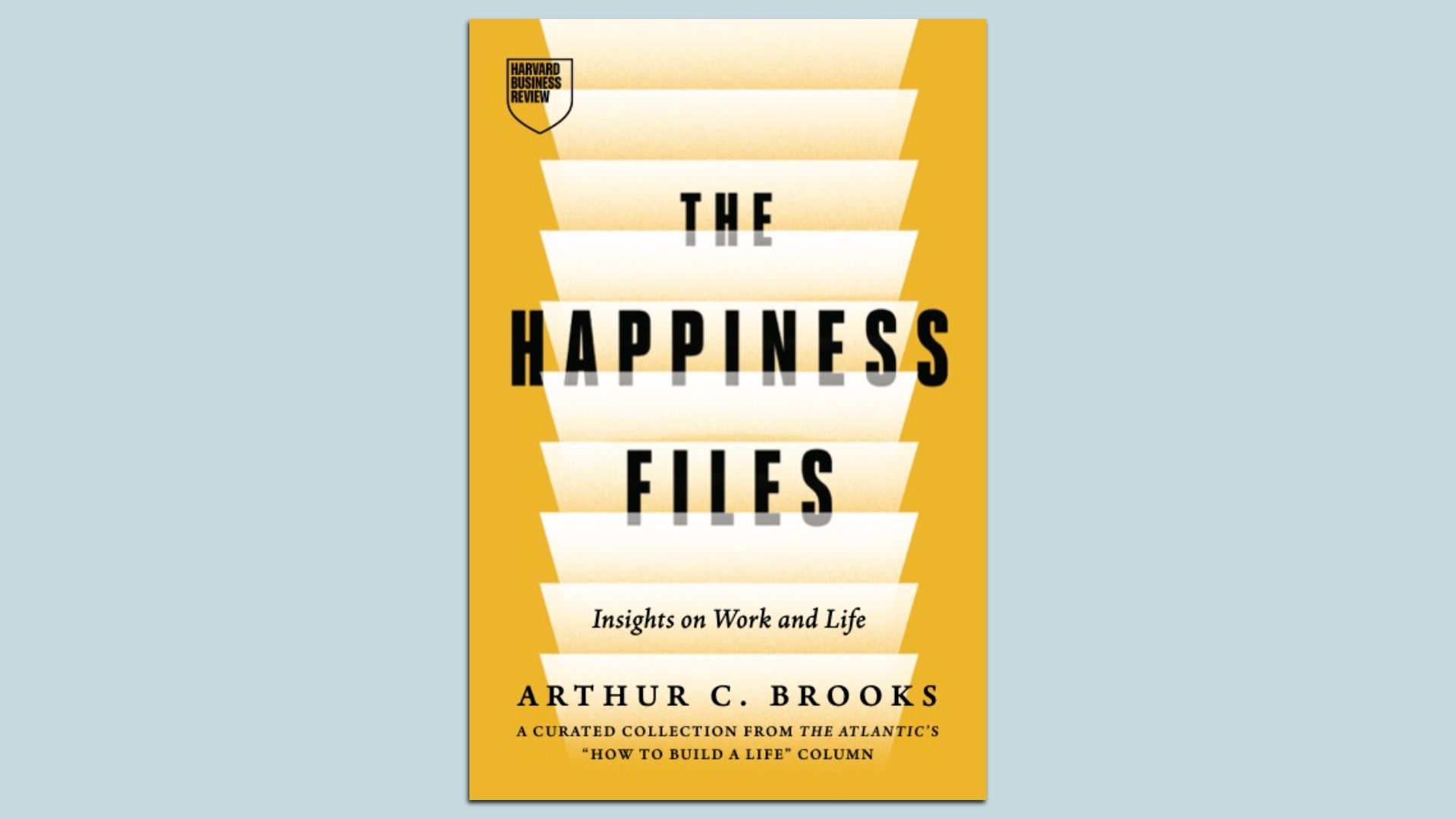
Photo: Harvard Business Review Press
If you want to be happier, try acting like the CEO of your own life.
- That's what behavioral scientist Arthur Brooks, who teaches at Harvard and contributes to The Atlantic, says in his new book "The Happiness Files," a collection of essays.
The big picture: "Your life is the most important management task you will ever undertake. It is, in fact, like a startup, where you are the founder, entrepreneur, and chief executive. And if you treat your life the way a great entrepreneur treats an exciting startup enterprise, your life will be happier, more meaningful, and more successful than it otherwise would be," Brooks writes in "The Happiness Files."
Zoom in: Brooks says one of the biggest differences between people who treat their lives like startups and those who don't is how they view risk.
- Starting a company is full of risks, but entrepreneurs accept them as the price of chasing their dreams. Increasingly, though, people are reluctant to apply that same mindset to their lives, Brooks says — whether it's moving across the country for a job or agreeing to a blind date.
"People talk about avoiding risk and pain as opposed to managing it," he tells Axios. "That's one of the great lies proliferating among those under 35: that if you're anxious and sad, something is broken, and you need to fix it."
- It's about courage, not recklessness, Brooks says, and doing hard things with the hope they'll pay off, but knowing that if they don't, you'll still be OK.
Case in point: "One of the most scary, entrepreneurial things humans do is falling in love," Brooks says. "That involves a ton of risk of heartbreak and rejection, but with great pain comes great reward."
Between the lines: Getting comfortable with taking risks also means getting used to dealing with failure, Brooks notes in "The Happiness Files."
- His tips for managing setbacks include processing them by writing them down instead of ruminating, reminding yourself of all the failures famous and successful people have also had, and focusing on the risk you took that led to the failure and why it was a worthy one.
