Ford defends using Chinese tech

Add Axios as your preferred source to
see more of our stories on Google.
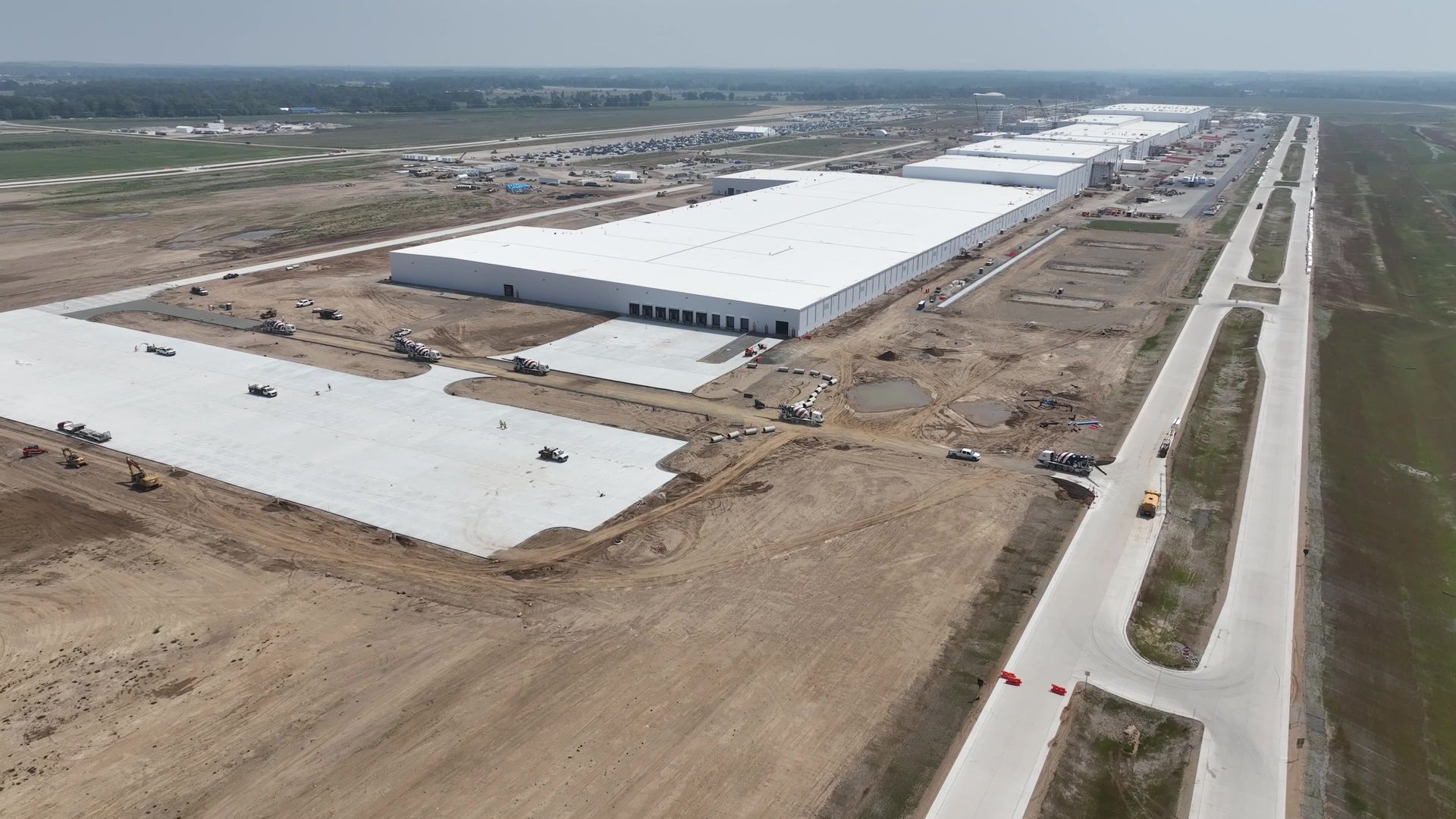
There's some logic in Ford's argument that licensing Chinese battery technology will help the United States catch up faster to its rival.
Why it matters: Ford has faced political blowback since its 2023 decision to build a battery factory in Michigan using CATL's technology. Now, lucrative Biden-era tax subsidies that made the project financially feasible are at risk, too.
Driving the news: Ford earlier this week showed off progress on the plant, about 100 miles west of Detroit, and said it will move ahead regardless of looming policy changes in Congress.
- The Republican-controlled Senate could vote this week on a budget bill that would rewrite policies incentivizing EV production.
- An earlier House version effectively killed the battery production tax credits that would offset nearly one-third of Ford's $3 billion investment.
Between the lines: Ford defends its decision to license LFP battery technology from CATL, because it will accelerate the reshoring of manufacturing expertise long ago ceded to China.
- "We're creating jobs with technology we need to complete globally. We need to learn to do it by ourselves," Lisa Drake, Ford's vice president of technology platform programs and EV systems, tells Axios.
- It will also allow Ford to further improve LFP batteries, she said.
- "It's hard to innovate something when you've never seen it with your own eyes. That's why we need to bring it here."
- "I'm convinced this is the right thing to do for the United States," she said.
The big picture: Lithium-iron-phosphate, or LFP, batteries are less expensive than those containing nickel and cobalt, which is why they're key to making EVs more affordable. They're also ideal for backup energy storage.
- LFP batteries were invented in 1997 at the University of Texas, but, as often happens with U.S.-developed technology, they ended up being industrialized in China during the 2010s.
- Chinese companies like CATL and BYD invested heavily in R&D to improve LFPs, and now China controls most of the patents and manufacturing know-how.
- "It probably would have taken us a decade to catch up and have LFP technology on our own, with our own R&D," Drake told reporters during a tour of the plant this week.
- "If Ford has capital, we want to spend our investment creating the manufacturing jobs here."
What to watch: The Michigan-made batteries will be used in a new line of affordable Ford EVs coming in 2027 and beyond.
