AI is keeping recent college grads out of work

Add Axios as your preferred source to
see more of our stories on Google.
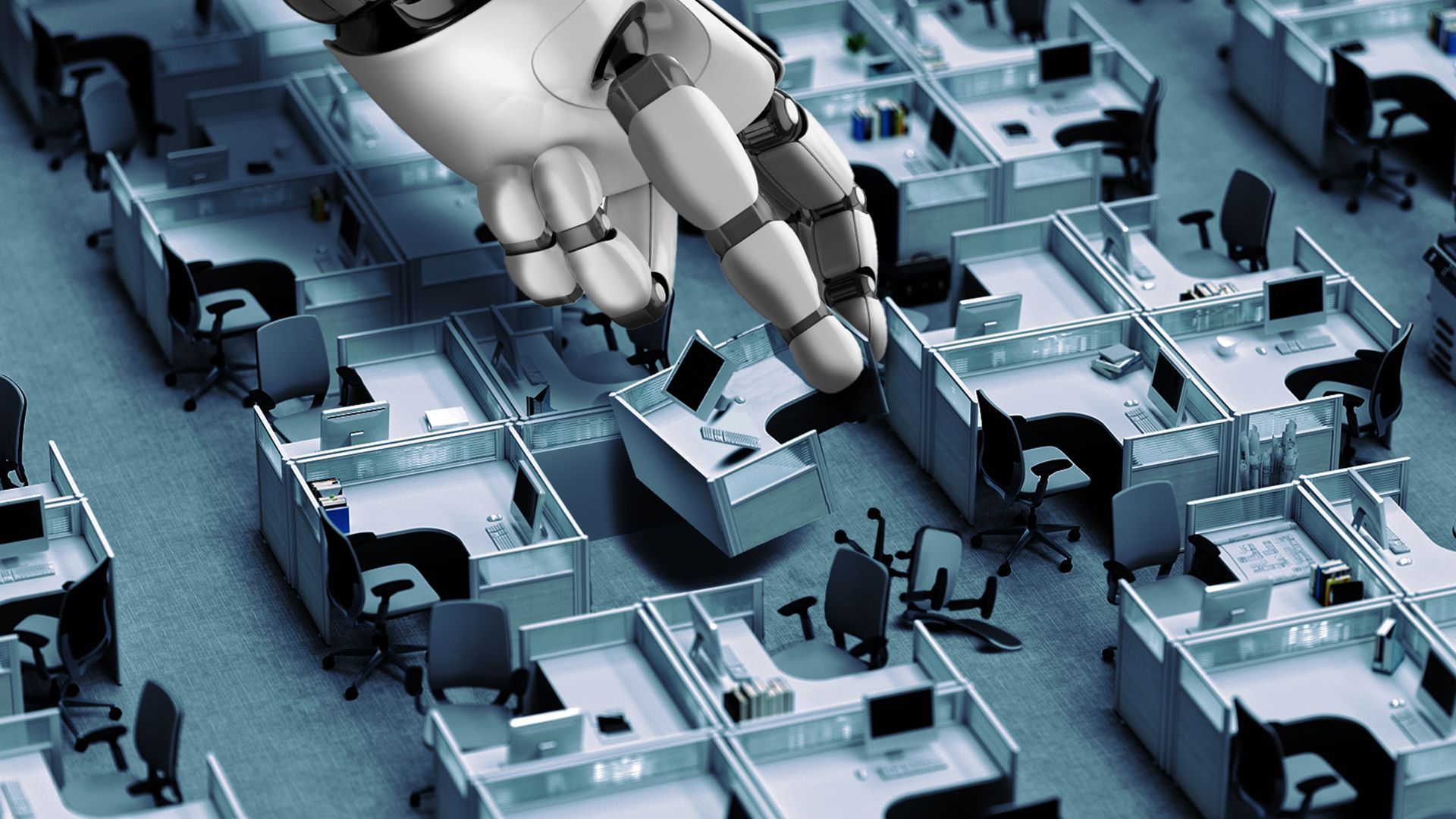
Illustration: Aïda Amer/Axios
College graduates are having a tough time landing jobs this year, and AI may be playing a role, finds a new report that parses federal unemployment data.
Why it matters: The analysis from Oxford Economics adds hard evidence to anecdotal reports — and scary warnings — that AI is displacing white-collar workers.
What they're saying: "There's a lot of concern that AI is eliminating entry-level white-collar positions, and I think this is just some of the first evidence that we're seeing," says Matthew Martin, a senior economist with Oxford Economics, who wrote the report.
How it works: While it's risen over the past few months, the unemployment rate in the U.S. has stayed relatively low. But the jobless rate for recent college grads has risen faster and is now higher than the overall rate.
- The Oxford Economics report studies the unemployment rate for those ages 22 to 27 with a bachelor's degree, i.e., recent college grads.
- Looking at a three-month moving average, their jobless rate was close to 6% in April, compared to just above 4% for the overall workforce.


Zoom out: Just last month, the unemployment gap between young workers with college degrees, and those without, was about 1.6 points.
- Compare that relatively slim difference to the gap of more than 8 points coming out of the 2008 financial crisis.
- That recession hit all kinds of non-college jobs, particularly in the construction business, while at the same time the 2010s tech boom created tons more jobs for those with college degrees.
- The gap blew out past 8 points again in 2020, when the pandemic hit and service sector jobs got wiped off the map. Restaurants, hotels and casinos let workers go, while white-collar jobs held steady thanks to Zoom.
State of play: We're in a new world today. AI is eating tech roles and leading to what some are calling a white-collar recession.
- Meanwhile, the Trump administration is pulling back on funding for universities and education.
- "A lot of these entry level, or kind of lower totem pole jobs, are likely being displaced as the workers above them become more productive," Martin says.
Reality check: As long as technology has progressed, there have been worries that robots will come for people's jobs. And certainly new inventions have eliminated many kinds of roles (telephone operators, say, or typesetters).
- Typically, however, advancements in tech have created many more jobs, though usually of a different sort.
- The auto industry has been an incredible job creator compared to those horse and buggy gigs, for instance.
- Despite the scary scenario, in the long run, it's likely the labor market will adapt to AI advancements as well.
The bottom line: For years, a computer science degree was viewed as a hot ticket to a great job. As that promise fades, the supply of tech grads will likely fall along with demand, Martin says. But that will take a while to play out.
- "In a couple years, as AI starts to drive productivity, that's when you're going to see the benefit start to happen," he says.
