Scoop: Trump admin bombshell scrambles Congress' Signal chats

Add Axios as your preferred source to
see more of our stories on Google.
Illustration of Capitol building with wifi beaming out
Some members of Congress are changing how they use the Signal after a journalist was accidentally added to a highly sensitive Trump administration national security discussion on the encrypted messaging app.
Why it matters: Signal is seen by many lawmakers, reporters and staffers on Capitol Hill as an indispensable tool for sensitive discussions. Some members even use it exclusively to communicate.
- One such member, a House Republican who spoke on the condition of anonymity, changed their Signal display name to just their initials and removed their photo from their profile in the wake of the fiasco.
- "I never want to be in that situation," the lawmaker told Axios, referring to the Trump national security team mistakenly adding Atlantic editor-in-chief Jeffrey Goldberg to a Signal chat about a planned strike on Houthi rebels.
- The House Republican said they scaled back their identity on the app for "peace of mind."
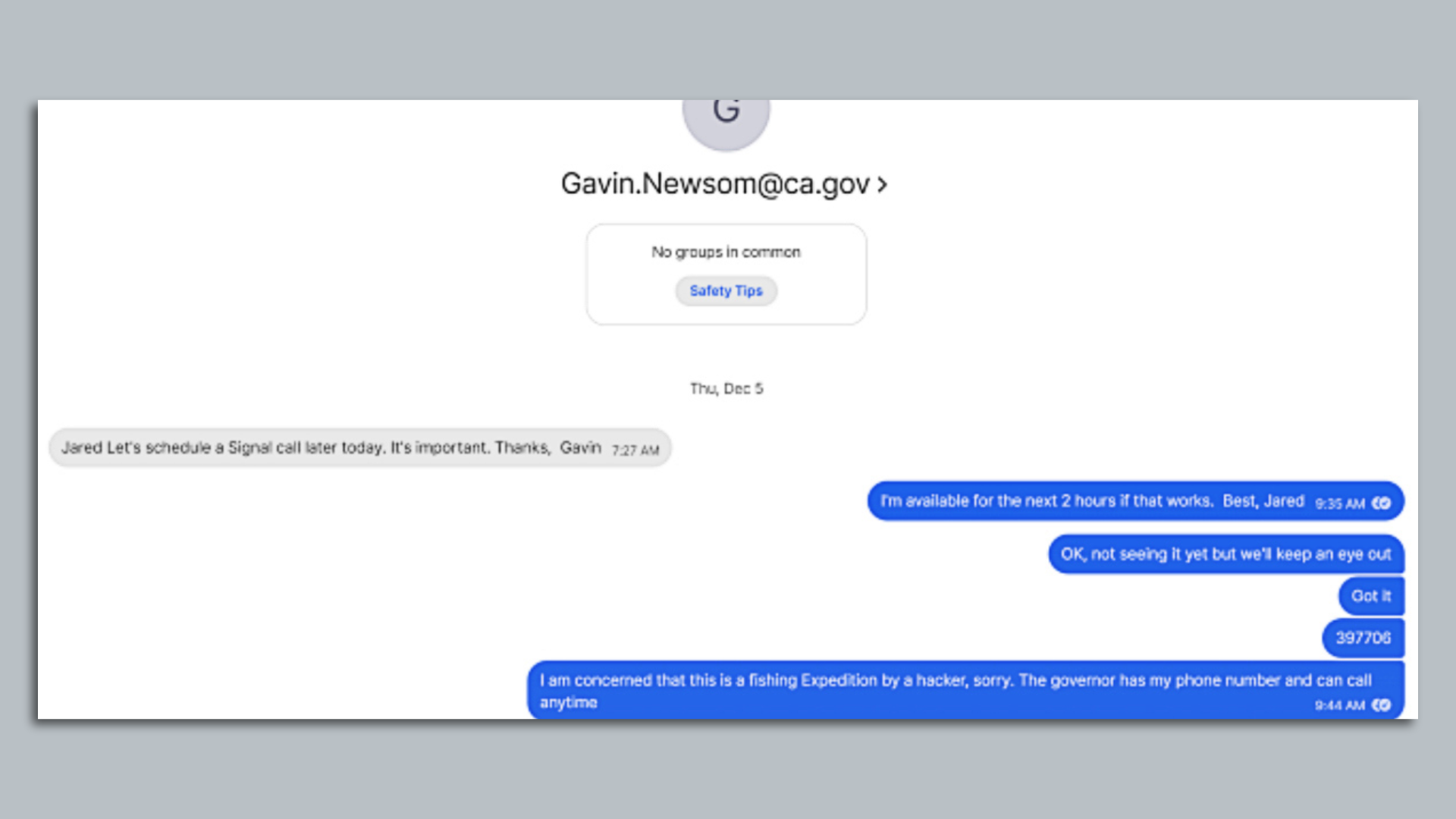
The intrigue: Several lawmakers from California were targeted in an apparent phishing attempt about two months ago, multiple members of the delegation told Axios.
- Rep. Jared Huffman (D-Calif.), underscoring how unsecured Signal can be, told Axios that he and other members of a California delegation group chat received Signal messages from an account purporting to be California Gov. Gavin Newsom requesting a call.
- "Thankfully no one went all the way through with it to the point of being compromised, but people came close," he said. "Hackers are constantly probing [Signal]."
What we're hearing: A House Democrat told Axios that members are being more "cautious for sure" in their use of Signal since the publication of Goldberg's account of the situation in The Atlantic on Monday.
- A senior House Republican said the story is serving as "a good reminder to people to be buttoned up with their communications."
- "This is a good reminder, I think, for everybody — particularly when they travel abroad — that there are very real vulnerabilities," said House Intelligence Committee ranking member Jim Himes (D-Conn.).
- Signal's press office did not respond to a request for comment.
Yes, but: Several lawmakers in both parties stressed that most members know better than to use unsecured apps like Signal to transmit classified or highly sensitive national security information.
- "I've never seen a member of Congress, who aren't necessarily the most responsible fish in the barrel ... share classified information over Signal," said Himes.
- Said Rep. Don Bacon (R-Neb.): "Don't put classified [information] on it is the bottom line."
Zoom out: There have been some longstanding concerns among both lawmakers and congressional administrators about the security of even encrypted messaging apps.
- "People can screenshot your stuff and they do all the time," the House Republican who pared back their Signal profile told Axios.
- Lawmakers received a briefing in December about "generally using apps on our phones anyway, because we are all targets," said the House Democrat who spoke anonymously.
- A senior House Democrat told Axios: "I've been telling everybody I wasn't sure it was as secure as they all thought it was to begin with."
The other side: Signal is pushing back on reporting around an internal Pentagon advisory that warned of Signal becoming a "high value target to intercept information."
- "The memo used the term 'vulnerability' in relation to Signal—but it had nothing to do with Signal's core tech. It was warning against phishing scams targeting Signal users," the company said in a post on X.
- "Phishing isn't new, and it's not a flaw in our encryption or any of Signal's underlying technology. Phishing attacks are a constant threat for popular apps and websites," they said.
Editor's note: This article has been updated with comment from Signal.
