Why Trump cut the minimum wage for federal contract workers

Add Axios as your preferred source to
see more of our stories on Google.
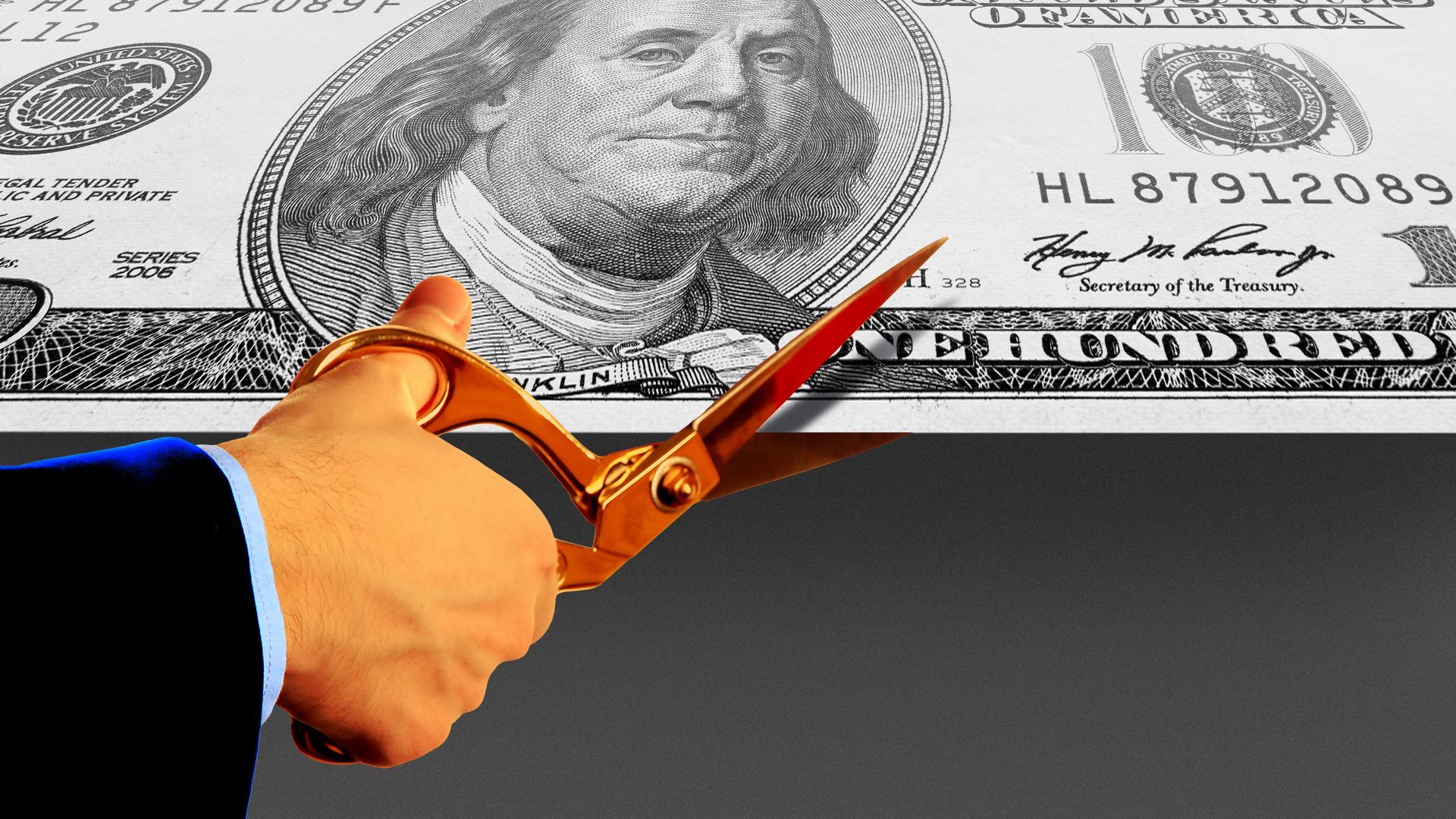
Illustration: Sarah Grillo/Axios
A little-noticed Trump administration move will decrease the minimum wage for federal contractors, rolling back a boost that helped hundreds of thousands of workers.
Why it matters: Trump's promises to both help American workers and cut costs are clashing in complicated ways.
Where it stands: The Labor Department on Thursday said it would no longer enforce the $17.75 per hour minimum wage for federal contractors set in an executive order from President Biden.
- The move follows an announcement by Trump last week. The president also got rid of another Biden order that set job standards for companies who use federal funding, known as the "good jobs" executive order.
- "This should be bipartisan, but because it was something that we worked on, it was criticized," says Andrew Stettner, who worked on policy at the Labor Department in the Biden administration.
Zoom in: The wage move affects employees of companies that contract with the federal government, such as janitors and food service workers.
- The reversal puts back in place a minimum wage of $13.30 per hour, set in an executive order from President Obama and left mostly intact by the first Trump administration.
What they're saying: "President Trump is standing up for America's working families by working to lower costs, delivering fairer trade deals, and creating thousands of new manufacturing jobs across the country," a White House spokesperson said in a statement.
Zoom out: This isn't necessarily a pay cut, but it means that going forward employers can pay people less money.
- This will likely have the biggest impact in states with the lowest wages, those that still abide by the federal $7.25 an hour.
Between the lines: The move is perhaps more effective than many of the cost-cutting measures set forth by DOGE.
- According to one estimate, cited in a court filing, the cost of Biden's wage increase was $1.7 billion a year.
Catch up quick: In 2014, Obama set a minimum wage for federal contractors at $10.10 per hour. He pegged it to inflation.
- At the time, it was a way to put pressure on Congress to raise the federal minimum wage amid growing worker discontent.
- The federal minimum was, and still is, $7.25. But the move did put some upward pressure on wages. It was relatively noncontroversial and wasn't challenged in court.
Yes, but: Like so many things, the federal contractor wage floor became a contentious issue in the wake of the pandemic for a convoluted reason.
- The Biden administration set a vaccine mandate for federal contractors, using the same legal authority the minimum wage relies upon.
- Republican attorneys general got their hackles up, and the contractor minimum wage wound up challenged in court, where it still sits, with federal appellate courts split on its legality.
The bottom line: Trump promised to lower costs, but the cost of labor may not have been exactly what voters had in mind.
